Key takeaways
- Pro: Sixty billion CFU with ten distinct strains plus prebiotic, so you are getting a full-spectrum dose in a single capsule.
- Pro: Explicitly formulated to address constipation, diarrhea, gas, and bloating, which maps cleanly onto the most common buyer complaints.
- Con: Thirty-capsule supply lasts only a month, making the per-day cost noticeably higher than the 60-count version.
Gut health supplements have become one of the most crowded corners of the wellness aisle, and the noise level is genuinely unhelpful for someone trying to solve a specific digestive problem. You might be dealing with post-antibiotic disruption, chronic bloating after meals, or simply wanting to diversify your microbiome without spending fifty dollars a month. Whatever the trigger, the core challenge is the same: labels promise billions of colony-forming units and dozens of strains, yet many products never survive stomach acid in meaningful numbers, and others deliver such low counts per capsule that a single dose barely registers as a functional intervention.
What separates a genuinely effective probiotic supplement from shelf filler comes down to formulation logic—strain selection backed by published research, realistic CFU counts that account for manufacturing and storage losses, and delivery systems that actually get organisms into the lower intestine. This roundup compares eight products across a wide price range, from under seven dollars to sixty, using their published specifications, ingredient transparency, and aggregated owner feedback to identify which options deliver value at each budget tier. The year 2026 brings tighter manufacturing standards and more strain-specific clinical data than ever before, which means you should expect more from a well-made product and think twice before paying for vague marketing claims.
Our top picks
 Physician's CHOICE Probiotics 60 Billion CFU
- Max Strength General Purpose Probiotic: Our non-refrigerated probiotic…
- Support Your Gut: Our probiotic contains 10 diverse…
- Survives the Gut: From start to finish -…
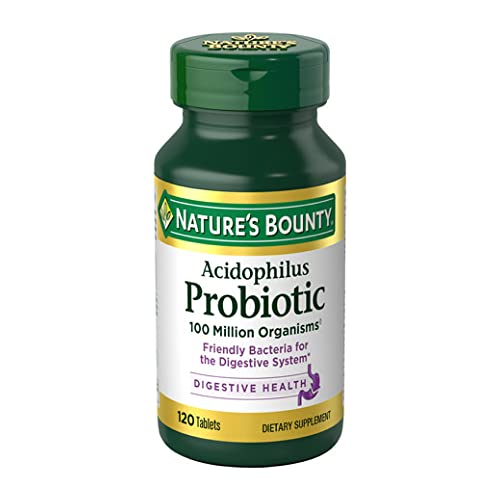 Nature's Bounty Probiotic Acidophilus Tablets
- SUPPORTS DIGESTIVE HEALTH (1): Nature’s Bounty Lactobacillus probiotic…
- Incorporate probiotics for digestive health daily with just…
- These Nature's Bounty probiotic nutritional supplements are gluten-free
 Nature's Bounty Acidophilus Probiotic
- Nature’s Bounty Acidophilus Probiotic contains 100 million active…
- CONTAINS LACTOBACILLUS aCIDOPHILUS LA-14: This probiotic strain is…
- Simply take one tablet daily, preferably with a…
| Product | Key specs | |
|---|---|---|
| Physician's CHOICE Probiotics 60 Billion CFU | Max Strength General Purpose Probiotic: Our non-refrigerated probiotic… Support Your Gut: Our probiotic contains 10 diverse… Survives the Gut: From start to finish -… | Check price |
| Nature's Bounty Probiotic Acidophilus Tablets | SUPPORTS DIGESTIVE HEALTH (1): Nature’s Bounty Lactobacillus probiotic… Incorporate probiotics for digestive health daily with just… These Nature's Bounty probiotic nutritional supplements are gluten-free | Check price |
| Nature's Bounty Acidophilus Probiotic | Nature’s Bounty Acidophilus Probiotic contains 100 million active… CONTAINS LACTOBACILLUS aCIDOPHILUS LA-14: This probiotic strain is… Simply take one tablet daily, preferably with a… | Check price |
 Physician's CHOICE Probiotics 60 Billion CFU Physician's CHOICE Probiotics 60 Billion CFU | Max Strength General Probiotic 2 Month Supply (60ct)… Support Your Gut: Our probiotic contains 10 diverse… Survives the Gut: From start to finish -… | Check price |
 NOW Supplements NOW Supplements | Offers a balanced spectrum of live organisms consisting… CLINICALLY VALIDATED STRAINS*: Utilizes bacterial strains that have… HEALTHY INTESTINAL FLORA*: Probiotic bacteria are critical for… | Check price |
 Culturelle Pro Strength Probiotics for Digestive Gut Culturelle Pro Strength Probiotics for Digestive Gut | Culturelle probiotics are naturally sourced with scientifically proven… Culturelle Pro Strength Daily Probiotics for Men &… Culturelle Pro Strength is formulated with 12 billion… | Check price |
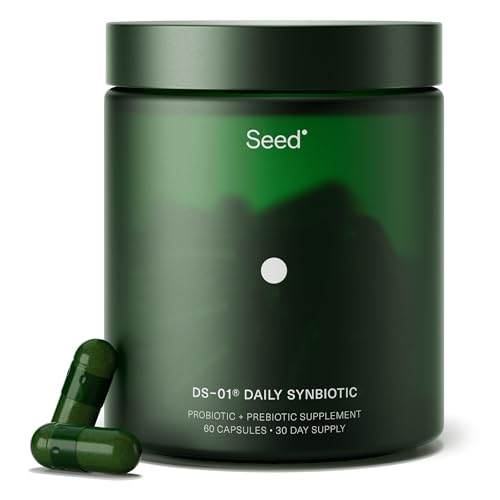 Seed DS-01 Daily Synbiotic Seed DS-01 Daily Synbiotic | 2-in-1 Formulation: DS-01 Daily Synbiotic is a 24-strain… Expertly Engineered: Seed’s proprietary capsule-in-capsule delivery system safeguards… Benefits Beyond the Gut: DS-01 contains key strains… | Check price |
 NatureBell Probiotics 200 Billion CFU Per Serving NatureBell Probiotics 200 Billion CFU Per Serving | Full spectrum 5-in-1 digestive enzyme, prebiotic, probiotic, postbiotic,… Each serving delivers 40 strains that contain 450mg… Designed for both women and men, this balanced… | Check price |
As an Amazon Associate we earn from qualifying purchases at no extra cost to you.
Quick Picks
| Product | Best for | Price |
|---|---|---|
| Physician’s Choice 60B (30ct) | First-time buyer wanting a broad-spectrum daily dose | $24.97 |
| Nature’s Bounty Acidophilus 120ct | Ultra-budget entry with a single classic strain | $7.11 |
| Nature’s Bounty Daily Probiotic | Occasional use or pairing with antibiotics | $13.77 |
| Physician’s Choice 60B (60ct) | Two-month supply at a lower per-day cost | $38.97 |
| NOW Probiotic-10 25B | Vegetarian capsule with multi-strain coverage | $25.05 |
| Culturelle Pro Strength 12B | Daily digestive maintenance with established branding | $30.99 |
| Seed DS-01 Daily Synbiotic | Prebiotic-plus-probiotic stack with premium delivery | $59.99 |
| NatureBell 200B | Maximum CFU count on a moderate budget | $26.99 |
How We Picked
We narrowed this list using four criteria that consistently predict real-world outcomes: CFU count per serving relative to price (more is not always better, but very low counts rarely help), strain diversity and whether the listed organisms have published human clinical data, the presence of a prebiotic fiber or delivery technology that supports survival through the upper GI tract, and the product’s value expressed as cost per day of actual use. Brand reputation and third-party verification programs also factored in, since the probiotic market still lacks uniform FDA oversight.
The 8 Best Probiotic Supplement in 2026
Physician’s Choice 60 Billion CFU, 30-Ct
This product targets adults who want a no-guesswork daily probiotic with immune and digestive support in one capsule. Ten strains paired with organic prebiotic fiber give it functional breadth that single-strain tablets cannot match. Owners frequently report reduced bloating within the first two weeks.
- Pro: Sixty billion CFU with ten distinct strains plus prebiotic, so you are getting a full-spectrum dose in a single capsule.
- Pro: Explicitly formulated to address constipation, diarrhea, gas, and bloating, which maps cleanly onto the most common buyer complaints.
- Con: Thirty-capsule supply lasts only a month, making the per-day cost noticeably higher than the 60-count version.
Skip this if you have already identified a specific strain that works for you and do not need broad coverage.
Nature’s Bounty Acidophilus Tablets, 120 Ct
At just over seven dollars for 120 tablets, this is the lowest entry price on the list. It suits buyers who want to test whether a probiotic helps at all before committing to a premium product. The formula relies on acidophilus, a traditional strain with a long history of general digestive use.
- Pro: Extremely low cost per dose, making it risk-free for someone curious about probiotic supplements for the first time.
- Pro: Tablet format avoids capsule gelatin, which matters for users with certain dietary restrictions.
- Con: Single-strain formulation with no prebiotic and no stated CFU count, so potency and survival through stomach acid remain uncertain.
Skip this if you have specific conditions like IBS or post-antibiotic recovery that benefit from multi-strain approaches.
Nature’s Bounty Acidophilus Daily Probiotic
This mid-tier Nature’s Bounty option positions itself for daily maintenance rather than therapeutic intervention. It appeals to people who want a recognizable brand at a reasonable price without the complexity of multi-strain formulas. The lower price point makes it a practical pairing during a course of antibiotics where you need short-term support.
- Pro: Accessible price point from a widely available brand, easy to find in retail and online.
- Pro: Designed for consistent daily use, which aligns with research suggesting regular intake matters more than occasional high doses.
- Con: Lacks CFU transparency and does not include prebiotic fiber, limiting its ability to sustain colonization.
Skip this if you need targeted relief for digestive symptoms or want documented strain counts.
Physician’s Choice 60 Billion CFU, 60-Ct
The same formulation as the 30-count but in a two-month supply. This is the obvious choice for anyone who decides the Physician’s Choice formula works and wants to lock in a lower daily cost. At roughly sixty-five cents per day versus eighty-three cents, the savings compound over several months of use.
- Pro: Identical ten-strain, sixty-billion-CFU formula with prebiotic at a meaningfully lower per-day price than the 30ct.
- Pro: Two-month supply reduces reorder frequency, which supports the consistency that probiotics require.
- Con: Higher upfront cost of nearly thirty-nine dollars may deter someone still unsure whether a probiotic will help them.
Skip this if you are in a trial phase and want to confirm tolerance before committing to a longer supply.
NOW Probiotic-10 25 Billion, 100 Veg Caps
NOW Foods brings its reputation for clean-label manufacturing to the multi-strain probiotic space. With 100 vegetarian capsules, this product lasts over three months at a standard one-per-day dose, making it one of the better long-term value plays. The twenty-five billion CFU count is moderate but sufficient for general maintenance.
- Pro: Hundred-capsule bottle delivers the longest continuous supply on this list at under twenty-six dollars.
- Pro: Vegetarian capsule and transparent labeling align with NOW’s broader manufacturing standards that owners consistently praise.
- Con: Twenty-five billion CFU is lower than competitors at similar price points, which may underperform for acute symptoms.
Skip this if you are managing active digestive distress that calls for higher potency per dose.
Culturelle Pro Strength 12 Billion CFU, 60 Ct
Culturelle has built enormous brand recognition, and Pro Strength leverages their proprietary LGG strain with additional supporting organisms. This product works best for people who prioritize established research backing over raw CFU numbers. Twelve billion CFU is modest, but LGG has one of the most extensive clinical literature bases of any probiotic strain.
- Pro: Features a well-studied proprietary strain with decades of published human research supporting its use.
- Pro: Strong brand infrastructure means consistent quality control and wide retail availability.
- Con: At just over fifty cents per capsule, it carries a premium price relative to its moderate CFU count.
Skip this if cost-per-CFU is your primary decision metric or you want prebiotic inclusion.
Seed DS-01 Daily Synbiotic
Seed positions itself at the premium end of the probiotic supplement market with a synbiotic formula that pairs probiotics and prebiotics in a dual-capsule delivery system. At sixty dollars for thirty days, it is the most expensive option here, but the investment buys proprietary technology and a strain blend designed around published microbiome research. It suits buyers who want the best available delivery science and will not be deterred by cost.
- Pro: Dual-layer capsule technology and synbiotic design represent one of the most advanced delivery approaches currently available to consumers.
- Pro: Transparent strain identification with published research references, which builds trust rarely seen in this category.
- Con: Roughly two dollars per day makes it the priciest option and hard to justify on a limited budget.
Skip this if you are still experimenting with whether probiotics help your symptoms at all.
NatureBell Probiotics 200 Billion CFU, 40 Strains
NatureBell goes for raw numbers, packing two hundred billion CFU across forty strains into a 240-capsule bottle at under twenty-seven dollars. That combination of potency, breadth, and quantity makes it the highest spec-per-dollar play on this list. It attracts buyers who assume that more CFU and more strains equal better results, and for general maintenance that logic often holds.
- Pro: Two hundred billion CFU with forty strains at this price is unmatched in the comparison group.
- Pro: 240 capsules provide roughly an eight-month supply at one per day, dramatically reducing per-day cost.
- Con: Extremely high strain diversity does not guarantee each organism survives gastric transit, and CFU counts at this magnitude can reflect manufacturing overages rather than active colonization.
Skip this if you prefer targeted, clinically validated strains over sheer numerical breadth.
Buying Guide
CFU Count: More Is Not Always Better
Colony-forming units measure the number of viable organisms per dose, and marketing teams treat higher numbers as automatically superior. In practice, most clinical research on specific strains uses doses between one and fifty billion CFU. Beyond that range, additional organisms may simply pass through without colonizing. The key question is whether the label states the count at manufacture or at expiration; if it only lists count at manufacture, actual potency when you open the bottle may be substantially lower. Look for products that guarantee CFU through the shelf life and store appropriately.
Strain Diversity Versus Strain Specificity
A ten-strain formula covers more ecological niches in the gut, which supports general diversity and may help with broad symptoms like irregularity or mild gas. A single-strain product like Culturelle’s LGG offers something different: deep evidence for a specific mechanism. If you know what problem you are solving—antibiotic-associated diarrhea, for instance—a well-researched single strain often outperforms a vague multi-strain blend. Match your goal to the evidence base rather than to the strain count on the label.
Delivery Systems and Prebiotic Pairing
Probiotics are living organisms that must survive stomach acid and bile to reach the colon. Enteric-coated capsules, delayed-release formulations, and synbiotic pairing (probiotic plus prebiotic fiber) all improve survival rates. Products like Seed’s dual-capsule or Physician’s Choice’s prebiotic inclusion attempt to address this directly. If your current probiotic produces no noticeable effect, the issue is often delivery rather than strain selection. Budget options without any protection mechanism rely on high initial counts to compensate for losses, which is a less efficient strategy.
Our Verdict
The Physician’s Choice 60 Billion CFU in the 60-count bottle is our top pick overall because it combines high potency, prebiotic support, ten strains, and the lowest per-day cost among full-spectrum options. For a budget pick, NatureBell’s 200 Billion CFU formula offers unmatched spec-per-dollar value if you accept the uncertainty around ultra-high CFU claims. One condition shifts the recommendation: if you already know that a specific clinically validated strain addresses your issue, Culturelle Pro Strength or a targeted single-strain product will outperform any broad-spectrum option regardless of price.
FAQ
How long before a probiotic supplement shows results?
Most owners report noticeable digestive changes within one to three weeks of consistent daily use. Some people experience mild gas or bloating in the first few days as the gut environment shifts, which typically resolves within a week.
Can I take two different probiotic products together?
Stacking products is generally safe and sometimes beneficial for introducing different strain families, but it can be wasteful if both products share the same strains. Check ingredient labels for overlap before combining, and space doses across the day to avoid overwhelming your system.
Do probiotics need refrigeration?
Not always. Many modern products use spore-forming strains or protective encapsulation that maintains viability at room temperature. If a product requires refrigeration, skipping it shortens shelf life noticeably. Always follow the storage instructions on the label and look for brands that guarantee CFU counts at expiration, not just at manufacture.
Are synbiotics better than regular probiotics?
Synbiotics combine a probiotic with a prebiotic fiber that feeds the live organisms, improving their chances of establishing in the colon. For someone starting from a depleted microbiome, the prebiotic component can accelerate colonization. For maintenance in someone who already eats a fiber-rich diet, the advantage is smaller.