Key takeaways
- Looking for the best pc gaming chairs racing style? This guide covers bucket-seat fit, recline, armrests and build quality so you can choose well before buying.
As an Amazon Associate we earn from qualifying purchases.
A racing-style PC gaming chair promises the look of a motorsport bucket seat and the posture support of a desk chair, and the real decision is whether that shape actually suits the way you sit. The high side bolsters, tall backrest and deep recline that define the style can feel supportive during long sessions, or they can pinch your shoulders and limit how you shift position. Before choosing one, it helps to separate the styling from the fit, because a chair that looks fast on a product page is only useful if its seat width, backrest height and adjustments match your body and your desk.
This guide is for competitive PC players, sim-racing fans, streamers and anyone who spends long evenings at a desk. It explains what to look for in a racing-style chair — seat fit, recline, armrests and build — so you can compare options on features that matter instead of styling alone.
What Makes a Chair Racing-Style
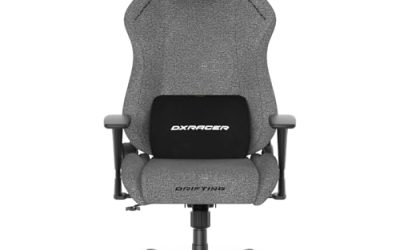
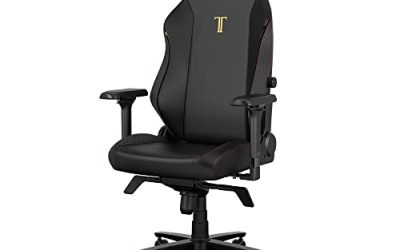
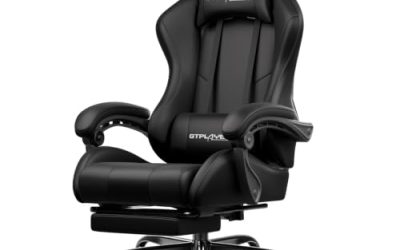
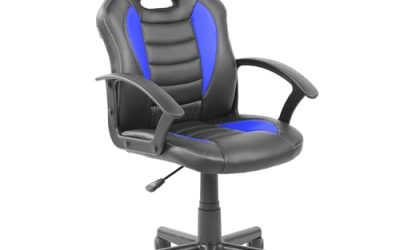
A racing-style gaming chair borrows its shape from the bucket seats fitted to track cars. The backrest runs tall, often reaching the shoulders and head, with raised side bolsters that wrap around the torso. The seat base usually has raised edges of its own, and the whole chair sits on a five-point wheeled base with a gas lift for height adjustment. Colour blocking, contrast stitching and embroidered logos complete the look, and many models include a headrest cushion and a lumbar cushion as standard accessories.
The shape is not only cosmetic. Tall side bolsters are meant to hold the body in place during quick movements, which matters more in a racing simulator rig than at a keyboard, where players shift, lean and reach for a mouse all the time. A deep recline, often well past upright, lets the chair double as a rest seat between matches, while a tilt mechanism under the seat controls how freely the chair rocks. Some racing chairs add a retractable footrest, which suits a relaxed posture but needs floor space in front of the desk to be useful.
Upholstery is the other visible difference. Most racing-style chairs use synthetic leather, which wipes clean and looks sharp out of the box, while fabric versions breathe better during warm sessions and tend to show wear differently over time. Neither material is automatically better, and the right call depends on the temperature of the room, how many hours a day the chair is used, and whether pets or food and drink are part of the setup. Stitching, seam placement and the feel of the padding matter more than the material name on the listing.
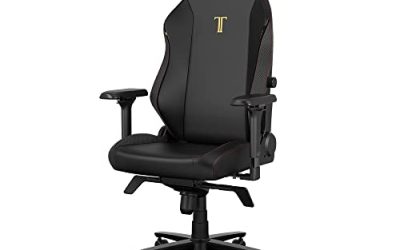
Under the surface, a racing chair is still a desk chair, and the parts that decide whether it lasts are the same ones that matter on any office seat. The frame may be steel or a mix of steel and wood, the base may be metal or reinforced plastic, and the casters may be hard plastic or softer wheels suited to hard floors. A chair that feels solid when new can develop wobble at the tilt mechanism or looseness at the armrests if those joints are weak, so the build of the mechanism deserves as much attention as the shape of the seat. Reading the listed weight limit, the seat dimensions and the warranty terms gives a clearer picture than the styling does, and those three numbers should be checked before any other detail.
Assembly is another practical detail worth weighing. Most racing chairs arrive in a large box with the base, gas lift, backrest and armrests to be bolted together, and the job usually takes one person under an hour with the included tools. Check whether spare bolts, replacement casters and spare cushions are available before buying, since a chair that cannot be repaired easily becomes a throwaway item when a small part wears out. A clear warranty on the frame, the mechanism and the upholstery is a useful signal that the maker expects the chair to last.
How to Choose
Seat Width and Bolster Fit
Seat width is the first measurement to check, because the bolsters that define a racing chair can also be its biggest comfort problem. Sit with your hips between the raised side bolsters rather than on top of them, and look for a seat pan wide enough that the bolsters support your thighs without squeezing them. Taller and broader players should pay special attention here, since a narrow racing bucket can feel cramped within minutes even if the listed weight limit looks generous. Compare the seat width and the distance between the backrest bolsters against your measurements. Adjustable cushions are a bonus, not a fix for a seat that is too narrow.
Recline, Tilt and Lumbar Support
Recline range and tilt control decide how the chair behaves across a long session, not just during a break. A backrest that locks at several angles lets you sit upright for competitive play and lean back for watching videos or resting between games, while a tilt mechanism with adjustable tension controls how easily the seat rocks when you shift your weight. Lumbar support matters just as much: some chairs use a cushion strapped to the backrest, others build the support into the chair with an adjustable pad, and a few leave it out entirely. The built-in style is easier to position and stays put, while a loose cushion can slide around and needs adjustment.
Armrests and Desk Height
Armrests connect the chair to the desk, and getting them wrong causes shoulder and wrist strain faster than almost any other mistake. Look for armrests that adjust in height at minimum, and prefer models that also move forward, backward and sideways, since that range lets you bring your elbows under your shoulders at the keyboard. Fixed armrests can clash with a desk edge or sit too high for a low keyboard tray, forcing you to shrug. Check the lowest armrest height against your desk height before buying, and remember that a chair with armrests that fold or swing away is easier to slide under a desk in a small room.
Frame, Base and Upholstery
The frame and base decide whether a racing chair still feels solid after a year of daily use. A steel frame and a metal five-point base carry weight more reliably than plastic parts, and the tilt mechanism should move smoothly without grinding or sticking. Casters deserve a look too: hard wheels roll well on carpet but can mark hard floors, while softer wheels suit wood and laminate. For upholstery, synthetic leather is easy to wipe down and keeps its colour, while fabric breathes better in warm rooms and hides scuffs. Whichever you pick, check the stitching along the bolsters, since that is where seams take the most strain.
Which One Fits Your Situation
Long Daily Sessions at a Desk
If the chair will be used for work, study and gaming across most of the day, prioritise fit and adjustability over styling. A seat pan that matches your hip width, a backrest tall enough to support your shoulders, and armrests that line up with the desk matter more than contrast stitching. Built-in lumbar support that stays in place beats a cushion that slides around, and breathable upholstery keeps long sessions comfortable.
Sim Racing and Driving Games
Sim racers spend more time in a fixed, forward-leaning posture, so the bucket shape earns its keep here. Strong side bolsters hold the torso steady during steering, and a deep recline is useful for resting between stints. Check that the seat works with your wheel and pedal setup, since a wide base or high bolsters can interfere with a pedal frame, and confirm the chair stays stable when you push hard on the pedals.
Small Rooms and Shared Spaces
In a small room, a racing chair’s tall backrest and wide bolsters take up more space than a compact office chair. Measure the footprint with the chair reclined, not just upright, and check that it can slide under the desk when not in use. Armrests that fold away or a base with smooth-rolling casters make the chair easier to tuck aside, and a restrained colour scheme blends better into a shared living space.
Taller or Broader Builds
Taller and broader players should start with the size numbers. A backrest that ends below the shoulders leaves the neck unsupported, and a narrow seat pan turns the bolsters into pressure points. Look for a model with a higher backrest, a wider seat and a weight limit comfortably above your own weight, and treat the listed dimensions as the real test rather than the product photos, which rarely show the chair next to a person.
Common Mistakes
- Buying on looks alone and ignoring seat width, backrest height and the distance between the bolsters.
- Skipping the weight limit and the listed dimensions, then discovering the chair is too narrow or too short once it is assembled.
- Choosing fixed armrests that clash with the desk edge or sit too high for the keyboard.
- Assuming a deep recline angle means the chair is comfortable upright, when the upright position is where most hours are spent.
- Forgetting to check whether the casters suit the floor, and whether the chair fits under the desk when pushed in.
Frequently Asked Questions
Are racing gaming chairs good for office work?
Yes, if the fit is right. The tall backrest and adjustable armrests suit long desk sessions, but seat width, lumbar support and armrest height decide comfort. A chair that fits your body and locks upright works for work as well as gaming, while a narrow bucket that pinches your shoulders becomes tiring within a few hours, whatever the task.
Do I need a separate lumbar pillow?
It depends on the chair’s lumbar support. Built-in adjustable support needs no pillow, and adding one can push you too far forward. If the chair relies on a strap-on cushion that slides or flattens, a firmer pillow may help. Sit in your normal desk posture, and add support only if you feel a gap between your lower back and the backrest.
How much recline do I need?
Most players sit upright with the backrest locked during play and lean back only during breaks, so a backrest that locks at a few angles between upright and a relaxed lean covers nearly every use case. Deep recline is a nice extra for resting or watching videos, but it should not decide the purchase if the upright position, seat fit and armrests are wrong.
How do I know if a racing chair will fit me?
Start with three numbers: the seat width, the backrest height and the listed weight limit, then compare them with your measurements. Sit with your hips between the seat bolsters, check that the backrest reaches your shoulders, and confirm the armrests can drop low enough for your desk. If any check fails, the chair is unlikely to fit in practice.
FAQ
Are racing gaming chairs good for office work?
Do I need a separate lumbar pillow?
How much recline do I need?
How do I know if a racing chair will fit me?
More from Amazon
Programs that pair well with the guide above. Offers and eligibility are set by Amazon and may change.
Free shipping on eligible items, Prime Video and more. Eligible new members can start with a free trial.
Start a Prime free trialAd-free music streaming. Eligible new subscribers can start with a free trial.
Try Music Unlimited freeA Prime membership for ages 18-24 with a trial period. Eligibility is set by Amazon.
See Prime for Young AdultsAudiobooks and podcasts to listen to on the go. Eligible new members can start with a free trial.
Try Audible freeAs an Amazon Associate we earn from qualifying purchases.