Our Top Picks
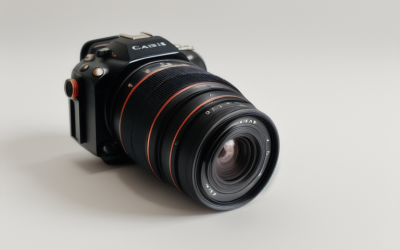
 Sony Alpha a7 IV Mirrorless Camera with 28-70mmCompact6.4 x 9.1 x 9.1 Inches3.3 PoundsCheck on Amazon
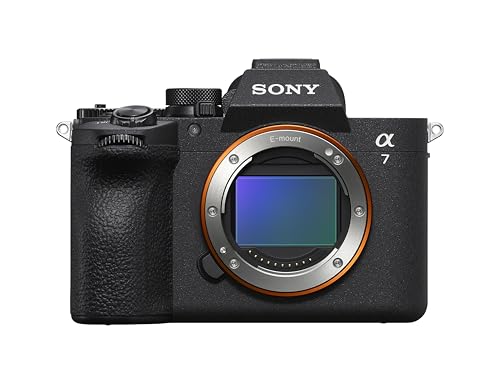 Sony Alpha a7 V Full-Frame Mirrorless Camera BodyCompact2.84 x 5.12 x 3.79 Inches1.35 PoundsCheck on Amazon
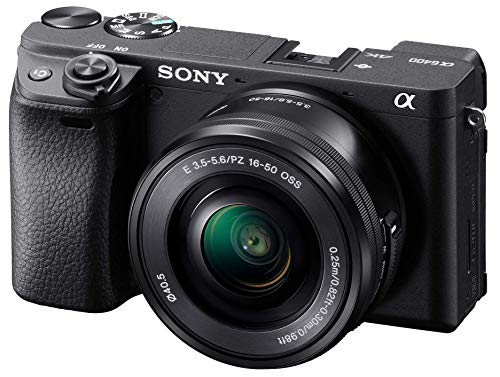 Sony Alpha a6400 Mirrorless Camera: Compact APS-C Interchangeable6.2 x 9.2 x 4.55 inches6.2 x 9.2 x 4.55 Inches0.6 PoundsCheck on Amazon
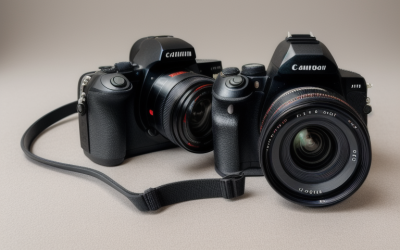
 Sony Alpha 7 IV Full-frame Mirrorless Interchangeable Lens5.45 x 3.80 x 2.83 inches9.6 x 6.5 x 6.7 Inches2.2 PoundsCheck on Amazon
Sony sells cameras in so many overlapping tiers that the hardest part of buying one is understanding the naming. The a6 series uses a smaller APS-C sensor in a compact body, the a7 line is full frame, the a7R is the high-resolution branch, and the RX10 is a fixed-lens superzoom. Within each family, generations stack on top of each other, and older models stay on sale long after newer ones arrive. Knowing which letter, number, and roman numeral fits your work saves a lot of money and regret.
This guide is for hobbyists and working shooters choosing among eight Sony listings: a6400, a6700, a7 III, two a7 IV listings, a7 V, a7R VI, and the RX10 V. It relies only on the titles: sensor class, megapixels, stabilization, autofocus, video features, and whether a lens is included. Costs change fast across such different tiers, so this article avoids numbers and describes budget, mid-range, and premium positions instead. Use it as a 2026 shortlist, then confirm each spec on the official sheet.
Quick Picks
Sony Alpha a7 IV Mirrorless Camera with 28-70mm Lens Black | 28-70mm Zoom Kit
One of the consumer electronics options compared in this guide.
View on AmazonSony Alpha a7 V Full-Frame Mirrorless Camera Body AI AF 30fps | 5-Axis in-Body Stabilization (Body Only), AI Autofocus
One of the consumer electronics options compared in this guide.
View on AmazonSony Alpha a6400 Mirrorless Camera: Compact APS-C Interchangeable Lens Digital Camera with Real-Time Eye Auto Focus, 4K Video, Flip Screen & 16-50mm Lens - E Mount Compatible - ILCE-6400L/B, Black
One of the consumer electronics options compared in this guide.
View on AmazonSony Alpha 7 IV Full-frame Mirrorless Interchangeable Lens Camera
One of the consumer electronics options compared in this guide.
View on Amazon
Sony Alpha a7 III Mirrorless Camera with 28-70mm Lens Black | 28-70mm with 3-Inch LCD
One of the consumer electronics options compared in this guide.
View on Amazon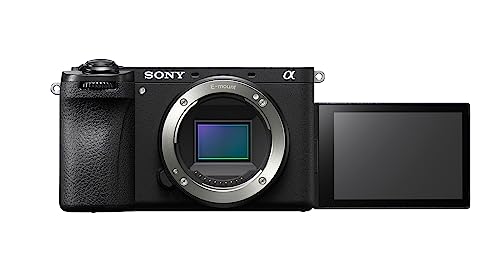
Sony Alpha a6700 APS-C Mirrorless Camera Body 26MP 4K Black | 26 MP Sensor, 4K Video, Log Shooting, LUT Handling, Vlog Friendly Functions
One of the consumer electronics options compared in this guide.
View on Amazon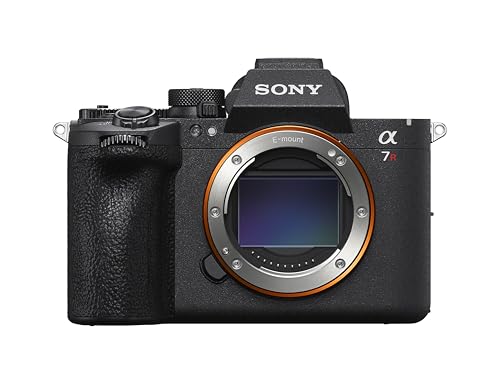
Sony Alpha a7R VI Full-Frame Mirrorless Camera 66.8MP Body | A 66.8 MP Fully Stacked Sensor, Blackout-Free 30fps, AI Based Subject Recognition
One of the consumer electronics options compared in this guide.
View on Amazon
Sony RX10 V – Premium 25x high-Zoom Camera with 24–600mm F2.4-4 Super-telephoto Lens, 20.1 MP Stacked Backside-Illuminated Sensor, AI-Based autofocus, up to 30 fps Burst Shooting
One of the consumer electronics options compared in this guide.
View on Amazon| Product | Best for | Key spec from the title |
|---|---|---|
| Sony a7 IV with 28-70mm Lens | Complete full-frame all-rounder kit | Full-frame mirrorless, 28-70mm zoom kit |
| Sony a7 V Body | Newest hybrid full-frame body | AI AF, 30fps, 5-axis in-body stabilization |
| Sony a6400 with 16-50mm | Compact APS-C vlogging and travel | Real-time eye AF, 4K video, flip screen |
| Sony Alpha 7 IV | Full-frame body for existing lens owners | Full-frame interchangeable-lens mirrorless |
| Sony a7 III with 28-70mm | Value full-frame entry | 28-70mm lens, 3 inch LCD |
| Sony a6700 Body | Upgraded APS-C for video | 26MP, 4K video, log shooting, LUT handling |
| Sony a7R VI Body | High-resolution stills | 66.8MP stacked sensor, blackout-free 30fps |
| Sony RX10 V | One-lens superzoom | 24-600mm F2.4-4 lens, 20.1MP stacked sensor |
How to Choose
APS-C or full frame
APS-C cameras like the a6400 and a6700 are smaller and lighter, and their lenses are smaller too. Full-frame models like the a7 series gather more light and give a shallower depth of field, which helps in dim venues and for portraits. If you walk a lot or travel, APS-C is easier to carry. If you shoot weddings, events, or low-light scenes, full frame has a clear advantage.
Resolution versus speed
The a7R VI lists a 66.8MP fully stacked sensor with blackout-free 30fps shooting, which targets landscape, studio, and fast action alike. Most people do not need that many megapixels, and the files demand heavy storage and a powerful computer. The a7 IV, a7 V, and a7 III sit at more moderate resolutions that balance detail with speed and file size. Pick resolution to match your printing and cropping needs, and remember that a sharp lens and steady technique usually improve results more than extra pixels.
Video features and autofocus
Look for real-time eye autofocus, AI-based subject recognition, and flip screens if you shoot video. The a6700 lists log shooting and LUT handling, which are tools for color grading workflows. The a7 V lists AI-based autofocus and 5-axis in-body stabilization, helpful for handheld shooting. The a6400 offers 4K video and eye AF in a compact body, useful for vlogging, particularly when you need to see yourself in the frame. Always match the autofocus claims to the work you do, since tracking a bird in flight and tracking a presenter on a stage are different problems.
Lenses, kits, and the ecosystem
A body-only listing leaves you to buy lenses, while kit listings include a zoom like 28-70mm or 16-50mm. Kit lenses are decent starting points, not endpoints. Check whether you plan to use Sony’s E-mount lenses or third-party options. Bundles inflate value claims, so compare the lens quality with what you would pick yourself. The RX10 V avoids lens purchases entirely with its built-in 24-600mm zoom.
The 8 Best Options
Sony a7 IV with 28-70mm Lens
This listing pairs the full-frame Alpha a7 IV with a 28-70mm zoom, which makes it a ready-to-shoot kit. It targets hybrid shooters who need a versatile full-frame camera for photos and video without hunting for a first lens. The 28-70mm range covers wide scenes at one end and portraits at the other, so a single lens can handle family events, travel, and casual video. It is the easiest way into the a7 IV for someone who does not yet own E-mount glass, and it keeps the first-month shopping list short.
- Strength: full-frame sensor with a standard zoom included.
- Strength: suitable for photos and video from one body.
- Trade-off: the 28-70mm kit lens is a starter, and you may later want faster glass.
Skip it if you already own lenses and want only the body.
Sony a7 V Body
The a7 V is listed as a full-frame mirrorless body with AI autofocus, 30fps shooting, and 5-axis in-body stabilization. It is the newest body in the a7 family here, aimed at photographers and videographers who want current technology. The combination of AI-assisted autofocus and in-body stabilization suggests a body meant for handheld video and fast subjects, though the title says nothing about the lens, battery, or card needs. Check the manufacturer sheet for details like video modes before committing, and budget for a lens that matches the body’s ambitions.
- Strength: 5-axis stabilization for handheld shots.
- Strength: 30fps shooting suits fast action.
- Trade-off: body only, so a lens purchase is required.
Skip it if you want a bundled lens or a lower-cost entry point.
Sony a6400 with 16-50mm
The a6400 is a compact APS-C mirrorless camera with interchangeable lenses, real-time eye autofocus, 4K video, a flip screen, and a 16-50mm lens. It is the lightest, simplest body of the group and a favorite for vlogging and travel. Because the lens mount is the same family as Sony’s larger cameras, you can start small and later move to full-frame bodies while keeping some E-mount lenses. The 16-50mm kit lens is compact, which suits day trips and street walks where a large zoom would feel excessive.
- Strength: compact body with eye autofocus.
- Strength: flip screen helps with self-recording.
- Trade-off: APS-C sensor is less capable in very low light than full frame.
Skip it if you want in-body stabilization or a full-frame sensor.
Sony Alpha 7 IV
This listing is the Alpha 7 IV, a full-frame mirrorless interchangeable-lens camera, with little more detail in the title. It is the body-oriented choice for people who already have lenses. Since the title does not mention a kit, buyers should read the listing details to confirm what is in the box, and compare it with the explicit kit listing above before choosing. It is a sensible route for someone upgrading from an older Sony body who wants to keep their glass.
- Strength: full-frame sensor and interchangeable lenses.
- Strength: a mature model with broad lens support.
- Trade-off: the title does not clarify if a lens is included.
Skip it if you want a confirmed kit with a lens.
Sony a7 III with 28-70mm
The a7 III kit pairs the older full-frame model with a 28-70mm lens and a 3 inch LCD. It is a value path into full frame, particularly for budget-conscious shooters. Many photographers still choose this generation because the full-frame sensor, the lens range, and the 3 inch LCD cover the essentials, and a used-lens ecosystem makes growth affordable. Just remember that newer bodies add autofocus and video refinements that matter for fast subjects.
- Strength: full-frame performance at a lower tier than newer bodies.
- Strength: a lens is included.
- Trade-off: it is an older generation, so newer models may have better autofocus and video features.
Skip it if you need the latest tools.
Sony a6700 Body
The a6700 is an APS-C body with a 26MP sensor, 4K video, log shooting, LUT handling, and vlog-friendly functions. It is a step up from the a6400 in video features. Log shooting and LUT handling are workflow tools for people who grade footage, so they matter most to creators who edit. If you only share quick clips straight from the camera, simpler bodies may serve you just as well while costing less.
- Strength: log and LUT support for color workflows.
- Strength: 26MP APS-C in a compact body.
- Trade-off: body only, so you must supply a lens.
Skip it if you want a bundled lens or a full-frame sensor.
Sony a7R VI Body
The a7R VI lists a 66.8MP fully stacked sensor, blackout-free 30fps shooting, and AI-based subject recognition. It is built for photographers who want extreme detail and speed. Landscape, architecture, and commercial shooters can crop deeply or print very large, while the blackout-free shooting keeps the viewfinder usable during bursts. It sits at the premium end, and the extra resolution only pays off if your lenses and technique can resolve it.
- Strength: very high resolution with fast shooting.
- Strength: AI subject recognition for tracking.
- Trade-off: large files demand storage and a powerful computer.
Skip it if you do not need that many megapixels.
Sony RX10 V
The RX10 V is a fixed-lens premium superzoom with a 24-600mm F2.4-4 lens, a 20.1MP stacked sensor, and AI-based autofocus. It covers wide to super-telephoto in one camera, making it a travel and wildlife tool. The bright F2.4 at the wide end and F4 at the long end give more light than typical superzoom compacts, and carrying one body instead of a lens bag is the real convenience. Think of it as a do-everything camera for people who dislike swapping lenses on dusty trails.
- Strength: 24-600mm zoom range without lens changes.
- Strength: stacked sensor with AI autofocus.
- Trade-off: it is a larger, premium camera, and the lens cannot be swapped.
Skip it if you want interchangeable lenses.
Which One Fits Your Situation
You want one camera for photos and video
The Sony a7 IV kit with the 28-70mm lens is a balanced starting point. If you later want sharper portraits or better dim-light performance, a prime lens such as a 50mm is a logical next purchase.
You travel light
The a6400 or the a6700 keep weight down. The a6700 adds log and LUT features, and both bodies fit in a small bag with a kit lens, which makes them easy to bring on trips.
You need huge resolution
The a7R VI is built for high-detail stills, from studio products to wide landscapes, and it is the model to consider when prints and heavy cropping are part of your routine.
You want one lens for everything
The RX10 V gives a 24-600mm range in one body, which makes it attractive for safaris, air shows, and family trips where lens swaps are impractical.
Common Mistakes
- Buying a body-only listing without a lens plan.
- Choosing the newest model without checking if you need its features.
- Ignoring file size and storage when picking a high-resolution camera.
- Confusing similar names such as a7 IV and Alpha 7 IV listings.
- Assuming APS-C and full-frame lenses are interchangeable without a crop.
Related guides
- Wireless Gaming Headset For Pc And Ps5
- Razer Gaming Chairs For Tall Gamers
- 7.1 Surround Sound Gaming Headsets
Frequently Asked Questions
Which Sony is best for beginners?
The a6400 is a compact, simple option, while the a7 III or a7 IV suits those who want full frame.
Is full frame worth it?
For low light and shallow depth of field, yes. For travel and everyday use, APS-C is often enough, and the lighter kit means you are more likely to take the camera along.
What does log shooting mean?
It records a flat image with more dynamic range for color grading.
Do I need the latest model?
Not necessarily. Older bodies like the a7 III remain capable, and a good lens often matters more to image quality than a body generation.