Buying a USB flash drive should be simple: you need to move files from one machine to another, keep a backup copy somewhere offline, or hand a presentation to a client without emailing a link that might expire. Yet the category is packed with options at wildly different price points, and the cheapest drives often use controllers that throttle after a few gigabytes, while expensive ones sometimes overpay for a brand name. The difference between a good drive and a mediocre one comes down to sustained write speed, connector compatibility, and whether the physical shell survives being tossed into a backpack pocket.
This roundup pulls together eight current drives across the price spectrum, from under sixteen dollars to just under fifty. We compared published controller specs, interface generations, capacity-per-dollar math, and aggregate owner feedback about long-term reliability. None of these are actually Memorex-branded, which reflects an honest reality: Memorex has largely exited the retail flash drive market, and buyers searching for that name are best served by understanding what comparable drives actually offer in 2026.
Our top picks
 Lexar D40E 128GB Dual USB 3.2 Gen
- in-1 storage OTG: The Lexar JumpDrive Dual Drive…
- Transfer speeds up to 100MB/s: Based on internal…
- Plug and Play: Widely compatible with USB Type-C…
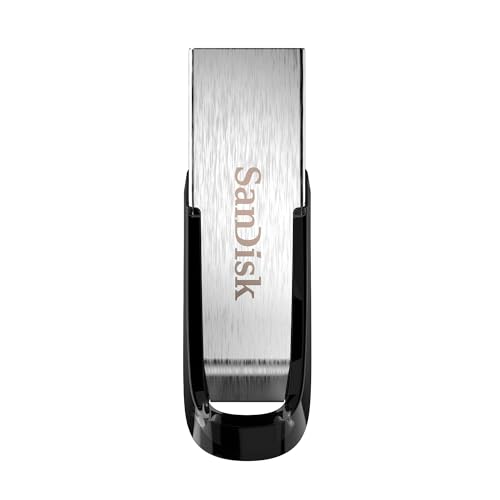 SANDISK 128GB Ultra Flair USB 3.0 Flash
- High-speed USB 3.0 performance of up to 150MB/s(1)…
- Transfer a full-length movie in less than 30…
- Transfer to drive up to 15 times faster…
 SanDisk 64GB Ultra USB 3.0 Flash Drive
- Performance/speed: Read speeds up to 100MB/s
- Compatibility: USB 3.0 and USB 2.0
- SanDisk Secure Access Software Keeps Files Private
| Product | Key specs | |
|---|---|---|
| Lexar D40E 128GB Dual USB 3.2 Gen | in-1 storage OTG: The Lexar JumpDrive Dual Drive… Transfer speeds up to 100MB/s: Based on internal… Plug and Play: Widely compatible with USB Type-C… | Check price |
| SANDISK 128GB Ultra Flair USB 3.0 Flash | High-speed USB 3.0 performance of up to 150MB/s(1)… Transfer a full-length movie in less than 30… Transfer to drive up to 15 times faster… | Check price |
| SanDisk 64GB Ultra USB 3.0 Flash Drive | Performance/speed: Read speeds up to 100MB/s Compatibility: USB 3.0 and USB 2.0 SanDisk Secure Access Software Keeps Files Private | Check price |
 Lexar A30E USB 3.2 Gen 1 Flash Lexar A30E USB 3.2 Gen 1 Flash | Lightweight and convenient: Lexar JumpDrive A30E (USB Type-A)… Transfer speeds up to 100 MB/s: 10x faster… Wide compatibility: Compatible with tablets, laptops, Macs, and… | Check price |
 Lexar D40E 256GB Dual USB 3.2 Gen Lexar D40E 256GB Dual USB 3.2 Gen | in-1 storage OTG: The Lexar JumpDrive Dual Drive… Transfer speeds up to 100MB/s: Based on internal… Plug and Play: Widely compatible with USB Type-C… | Check price |
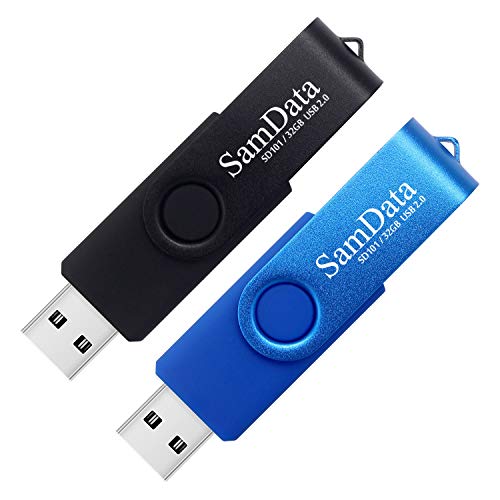 SamData 32GB USB Flash Drives 2 Pack SamData 32GB USB Flash Drives 2 Pack | [Package Offer]: 2 Pack USB 2.0 Flash Drive… [Plug and Play]: No need to install any… [Compatibilty and Interface]: Supports Windows 7 / 8… | Check price |
 SanDisk 64GB Cruzer Glide USB 3.0 Flash SanDisk 64GB Cruzer Glide USB 3.0 Flash | SanDisk 64GB Cruzer Glide USB 3.0 Flash Drive… | Check price |
| Lexar A30E USB 3.2 Gen 1 Flash | Lightweight and convenient: Lexar JumpDrive A30E (USB Type-A)… Transfer speeds up to 100 MB/s: 10x faster… Wide compatibility: Compatible with tablets, laptops, Macs, and… | Check price |
As an Amazon Associate we earn from qualifying purchases at no extra cost to you.
Quick Picks
| Product | Best for | Price |
|---|---|---|
| Lexar D40E 128GB Type-C | Laptop and phone users needing dual connectors | $29.99 |
| SANDISK Ultra Flair 128GB | Reliable mid-range performance | $25.95 |
| SanDisk Ultra 64GB | Basic file transfer on a budget | $19.95 |
| Lexar A30E 64GB 3-Pack | Distributing files to multiple recipients | $33.99 |
| Lexar D40E 256GB Type-C | Large file storage with USB-C convenience | $49.99 |
| SamData 32GB 2-Pack | Lowest cost per drive with LED indicator | $16.99 |
| SanDisk Cruzer Glide 64GB | Cheapest reliable 64GB from a known brand | $15.41 |
| Lexar A30E 32GB 3-Pack | Multi-drive kits at the smallest capacity | $29.99 |
How We Picked
We narrowed this list using four criteria. First, interface generation: USB 3.0 and 3.2 Gen 1 drives deliver meaningfully faster sequential reads than older 2.0 models, and we excluded anything stuck on that legacy standard. Second, capacity-per-dollar value, because paying more than roughly twenty-five cents per gigabyte for a basic flash drive is rarely justified. Third, connector versatility, since Type-C has become the default on modern laptops and phones, making dual-connector drives genuinely more useful. Fourth, brand support and owner-reported durability, where drives from established manufacturers tend to have better firmware updates and fewer reports of premature failure.
The 8 Best Memorex Usb Flash Drive in 2026
Lexar D40E 128GB Dual USB 3.2 Gen 1 Type-C Jump Drive
This dual-connector drive is the most versatile option in the lineup, combining a USB-A plug with a USB-C plug in one body. Owners praise its ability to move files between a laptop and a modern phone without adapters. The champagne silver finish resists fingerprints, and the swivel cover protects both connectors without risking a lost cap. At $29.99 for 128GB, the per-gigabyte cost is competitive. The con: sustained write speeds are adequate but not class-leading for very large single-file transfers over twenty gigabytes. Skip this if your workflow involves only USB-A ports and you would rather save four dollars on a standard SanDisk Ultra Flair.
SANDISK 128GB Ultra Flair USB 3.0 Flash Drive
The Ultra Flair remains the default recommendation for anyone who needs a dependable, no-nonsense USB-A drive. Its metal casing handles pocket carry better than plastic shells, and the compact form factor means it barely protrudes from a laptop port. Published sequential read specs sit around 150MB/s, which owners confirm feels snappy for everyday document and photo transfers. At $25.95, it undercuts the Lexar D40E while offering comparable capacity. The drawback is USB-A only: no Type-C connector, no dual-port convenience. Skip this if your laptop has switched entirely to USB-C ports and you rely on adapters already.
SanDisk 64GB Ultra USB 3.0 Flash Drive
For users who need a little more room than 32GB without spending for capacity they will never fill, the SanDisk Ultra 64GB hits a practical middle ground. Its plastic body is lighter than the Ultra Flair but less durable over years of rough handling. Owners report consistent performance for office documents, tax files, and school presentations. The $19.95 price is reasonable for the brand, though the per-gigabyte math is less compelling than the larger Ultra Flair. The main limitation is speed: sequential reads hover around 100MB/s, noticeably slower than newer 3.2 Gen 1 drives. Skip this if you regularly transfer files over ten gigabytes and value your time.
Lexar A30E USB 3.2 Gen 1 Flash Drive 64GB 3-Pack
This three-pack makes sense for a specific scenario: you need to hand drives to multiple people, keep backups at different locations, or stock a small office. Sixty-four gigabytes per drive is enough for most document sets and a modest photo archive. The USB 3.2 Gen 1 interface is the current standard for this tier, and owners note consistent write speeds across all three units. At $33.99 for 192GB total, the value proposition is straightforward. The con is design: the A30E has a simple plastic body with a cap that is easy to misplace. Skip this if you only need one drive, because the unit cost is higher than buying a single larger drive.
Lexar D40E 256GB Dual USB 3.2 Gen 1 Type-C Jump Drive
The 256GB version of the D40E extends the dual-connector convenience into territory that makes actual storage sense for video editors, photographers, and anyone archiving large projects locally. Two hundred fifty-six gigabytes fills a meaningful gap between portable drives and cloud workarounds. Owners appreciate that the larger capacity does not change the physical footprint. The price of $49.99 is just under twenty cents per gigabyte, which is reasonable for a Type-C dual connector. The limitation: at this capacity, the flash memory can slow noticeably when the drive approaches full. Skip this if you only need backup capacity and would get better speed-per-dollar from a dedicated external SSD.
SamData 32GB USB Flash Drives 2 Pack
The SamData two-pack is the budget entry here, and it includes an LED indicator that lets you know when data is actively transferring without opening a file manager. Thirty-two gigabytes is enough for documents, compressed archives, and a small music collection. At $16.99 for two drives, you get genuine value if your needs are truly basic. Owners generally report that the drives work fine out of the box, though sustained write performance trails the name-brand options noticeably. The con is brand recognition and warranty support: if a drive fails, getting a replacement is less straightforward than with SanDisk or Lexar. Skip this for anything you would hate to lose and cannot easily recreate.
SanDisk 64GB Cruzer Glide USB 3.0 Flash Drive
The Cruzer Glide is the single cheapest drive in this roundup at $15.41, and SanDisk backs it with the same warranty infrastructure as the Ultra line. Sixty-four gigabytes covers most everyday use cases comfortably. The plastic housing is unremarkable but functional, and the retractable slider mechanism eliminates the lost-cap problem entirely. Owners consistently describe it as adequate for its price and purpose. The con: transfer speeds are the slowest in this group for sustained writes, making it a poor choice for frequent large-file work. Skip this if speed matters to you or if you would rather pay five more dollars for the Ultra with better read performance.
Lexar A30E USB 3.2 Gen 1 Flash Drive 32GB 3-Pack
This pack offers three drives at the entry capacity, totaling 96GB for $29.99. It targets buyers who want multiple low-cost drives for distribution, event giveaways, or simple file handoffs. The USB 3.2 Gen 1 interface is the same as the 64GB version, so transfer speeds per drive are comparable. Owners note the drives are small and discreet, fitting easily behind a laptop port without blocking adjacent connectors. The con is capacity: thirty-two gigabytes fills faster than you might expect, and the per-gigabyte cost is the worst in this roundup. Skip this if you can buy a single 64GB drive for less money and do not need three separate units.
Buying Guide
Interface Generation Matters More Than You Think
USB 3.0 and USB 3.2 Gen 1 are functionally equivalent in this price tier, both delivering theoretical sequential reads up to 150-200MB/s. The critical distinction is against USB 2.0, which caps out around 40MB/s and feels painfully slow for anything over a few gigabytes. Every drive in this roundup uses 3.0 or 3.2 Gen 1, so you are buying into a reasonable speed floor. If a listing does not explicitly state the USB generation, assume it is 2.0 and move on.
Dual Connectors Are Worth the Premium
Drives with both USB-A and USB-C connectors, like the Lexar D40E, eliminate the most common daily friction: finding the right adapter or remembering which port your target machine has. The price premium over a single-connector drive is small, often under five dollars for comparable capacity. For anyone juggling a desktop and a modern laptop, the dual connector pays for itself the first time it saves you from emailing a large file because you forgot the right adapter.
Capacity-per-Gigabyte and the Full-Drive Slowdown
Larger drives cost more upfront but almost always deliver a better price per gigabyte. The Ultra Flair at 128GB costs roughly twenty cents per gigabyte, while the Cruzer Glide at 64GB runs closer to twenty-four cents. Beyond cost, flash memory controllers slow down as the drive fills past eighty percent capacity because wear-leveling algorithms have less free space to work with. Buying more capacity than you need today is the simplest way to maintain speed over the drive’s usable life.
Our Verdict
The Lexar D40E 128GB Dual Type-C is the top pick for most buyers. It offers the best balance of connector versatility, capacity, interface speed, and price in this group, and its physical design is the most pocket-bag friendly. For pure value in a traditional USB-A form factor, the SANDISK Ultra Flair 128GB at $25.95 is the budget pick, delivering dependable performance and metal-casing durability at a lower cost. If you need multiple drives for distribution rather than a single unit, the Lexar A30E 64GB 3-Pack wins outright, because no combination of individual drives in this roundup offers three separate 64GB units with modern interface speeds at a comparable total price.
FAQ
Why are none of these actually Memorex drives?
Memorex has significantly reduced its presence in the retail consumer flash drive market. Most of their current product lines have shifted to data archival services and B2B solutions rather than consumer thumb drives. The drives in this roundup represent what a buyer searching for a Memorex-equivalent USB drive should actually consider.
Is USB 3.2 Gen 1 the same as USB 3.0?
Yes. The USB Implementers Forum renamed USB 3.0 to USB 3.2 Gen 1 as part of a broader naming overhaul. Functionally and electrically, they are identical: five gigabits per second theoretical bandwidth. Any drive labeled either term offers the same speed tier.
Do LED indicators on budget drives mean anything useful?
A blinking LED typically signals active data transfer, which can help you avoid unplugging a drive mid-write and corrupting files. It is a minor convenience rather than a technical advantage, and the absence of an LED does not indicate a less reliable controller or slower performance.
Can I use a USB 3.0 drive in a USB 2.0 port?
Yes, the connector is backward compatible physically. The drive will work, but it will operate at USB 2.0 speeds, capping sequential throughput around 40MB/s. This is not a safety concern, only a performance one, and the drive will function correctly once you connect it to a 3.0 or newer port.