Key takeaways
- Aspect ratio: A 4:3 or 5:4 panel preserves the original geometry of classic games, avoiding the stretched sprites you get on a widescreen set.
- Input lag: Low latency is critical for reflex-heavy retro titles, so favor screens with a fast response time and a genuine gaming mode.
- Connectivity: Look for VGA, HDMI, and legacy AV or composite inputs so you can connect both consoles and a scaler without a drawer full of adapters.
- Size and desk space: Smaller 7 to 15-inch monitors mimic the intimacy of a period bedroom TV, while a larger panel suits couch play from across a room.
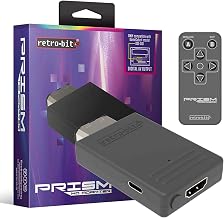
- Scaler pairing: Since these are modern LCD panels, plan to pair them with a good upscaler to keep low-resolution signals sharp and correctly proportioned.
Genuine CRT monitors remain the gold standard for authentic retro gaming, delivering the scanlines, zero input lag, and phosphor glow that older consoles were designed around. The problem in 2026 is that real CRTs are heavy, increasingly scarce, and expensive to ship, which leaves many players looking for practical alternatives that capture the retro feel without the bulk. The good news is that a well-chosen modern panel, paired with the right settings and a scaler, gets you remarkably close.
We looked at the displays retro enthusiasts actually reach for today, from compact 4:3 and 5:4 screens that echo classic aspect ratios to fast, low-latency panels that pair well with an upscaler. Below are our picks, followed by a buying guide to help you weigh authenticity, size, and connectivity.
Our top picks




As an Amazon Associate we earn from qualifying purchases at no extra cost to you. Ratings are shown as listed on Amazon.
⚡ Save on Your Next PC — Amazon Prime
Prime members get fast free shipping on the systems above, plus early access to Prime Day & Black Friday PC deals. New members get a 30-day free trial.
Watch: Best CRT Monitor For Retro Gaming — Video Review
How to Choose a Display for Retro Gaming
- Aspect ratio: A 4:3 or 5:4 panel preserves the original geometry of classic games, avoiding the stretched sprites you get on a widescreen set.
- Input lag: Low latency is critical for reflex-heavy retro titles, so favor screens with a fast response time and a genuine gaming mode.
- Connectivity: Look for VGA, HDMI, and legacy AV or composite inputs so you can connect both consoles and a scaler without a drawer full of adapters.
- Size and desk space: Smaller 7 to 15-inch monitors mimic the intimacy of a period bedroom TV, while a larger panel suits couch play from across a room.
- Scaler pairing: Since these are modern LCD panels, plan to pair them with a good upscaler to keep low-resolution signals sharp and correctly proportioned.
The Best Retro Gaming Displays of 2026
SKitphrati 19-Inch 5:4 Monitor
This 1280×1024 square monitor is our top choice for that classic pre-widescreen shape, with 45% sRGB tuning and a form factor that feels right at home with 90s and early 2000s consoles. It is the easiest way to get correct geometry without hunting for a real CRT.
SKitphrati 15-Inch 4:3 HD Monitor
A compact 1024×768 panel with VGA and HDMI, this 15-inch screen recreates the intimacy of a small bedroom setup. Its true 4:3 ratio makes it a favorite for authentic single-player retro sessions.
Eyoyo 8-Inch Mini Monitor
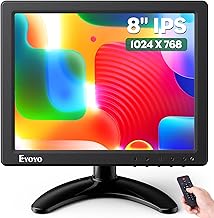
For a desktop or arcade-cabinet build, the Eyoyo 8-inch IPS packs 1024×768 resolution and HDMI, VGA, AV, and BNC inputs. Its versatile connectivity makes it a Swiss Army knife for connecting older hardware and scalers alike.
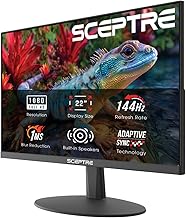
Sceptre 22-Inch 144Hz Monitor
When you want a low-lag modern panel to pair with an upscaler, the Sceptre 22-inch delivers 1080p at up to 144Hz with HDMI and DisplayPort. It is the responsive, larger-screen option for players who prioritize speed over strict period authenticity.
7-Inch HDMI/VGA/AV Mini Monitor
This tiny 1080p screen with HDMI, VGA, and RCA inputs is perfect for handhelds, portable console builds, or a secondary display. It is inexpensive, endlessly flexible, and takes up almost no desk space.
Frequently Asked Questions
Can an LCD ever match a real CRT for retro gaming?
Not exactly, but a low-lag 4:3 LCD paired with a quality scaler gets impressively close, and it wins on weight, safety, and connectivity for most players.
Why does aspect ratio matter so much?
Classic consoles output 4:3 signals, so a widescreen panel stretches everything unless you letterbox it. A native 4:3 or 5:4 screen keeps sprites and circles correctly proportioned.
Do I need a scaler with these monitors?
For the sharpest image from older consoles, yes. A dedicated upscaler cleans up low-resolution signals and prevents the soft, laggy look that raw composite can produce on an LCD.
What inputs should I look for?
Prioritize a mix of HDMI, VGA, and legacy AV or composite so you can connect modern scalers and original hardware without hunting for extra adapters.
Final Thoughts
Chasing authentic retro visuals in 2026 is really about matching a display to your setup and space. A native 4:3 or 5:4 panel like the SKitphrati models gives you correct geometry and a period feel, while a fast Sceptre panel with a scaler suits players who value responsiveness. Whichever route you take, pairing the right screen with a good upscaler is the key to recreating that classic look without wrestling a heavy CRT into your living room.