Our Top Picks
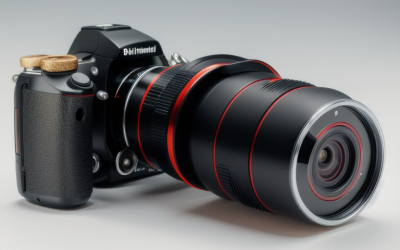
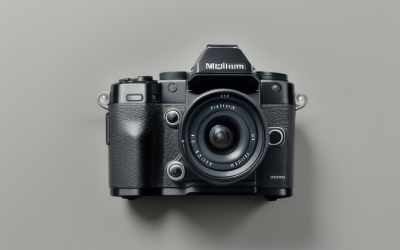
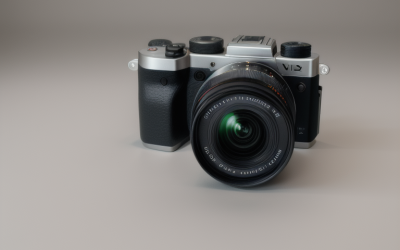
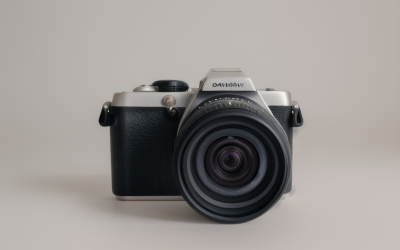
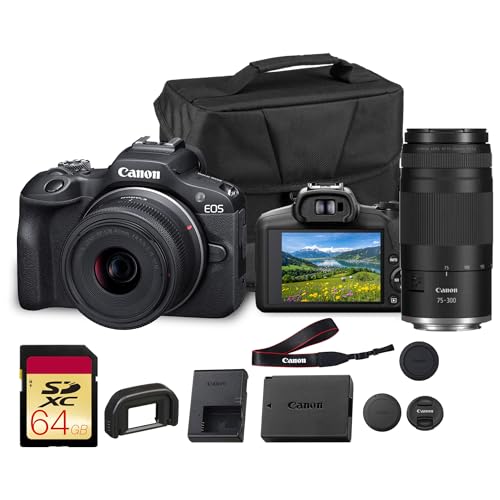 Canon EOS R100 Mirrorless Camera with 18-45mm &Compact2.7 x 4.6 x 3.4 inches4.16 PoundsCheck on Amazon
Wildlife photography is mostly an exercise in distance. Birds, deer, and foxes will not wait while you walk closer, and getting too near stresses animals and can put you in danger. That is why the keyword really asks a lens question: how far can this camera reach, and can it focus fast enough on a subject that moves without warning? Sensor size and autofocus matter, but without genuine telephoto reach even the best sensor produces a tiny animal in a big empty frame.
This guide is for beginners and enthusiasts choosing a first wildlife setup, from a bridge-style superzoom to a DSLR or mirrorless body with a 75-300mm companion lens. It reviews seven options using only what their listings say: lens ranges, optical zoom figures, sensor class, included cards, and storage. A trail camera that turned up in the same search was left out, because it records animals on its own rather than letting you compose a photograph. Use this as a shortlist for the 2026 season and verify the details before purchase.
Quick Picks

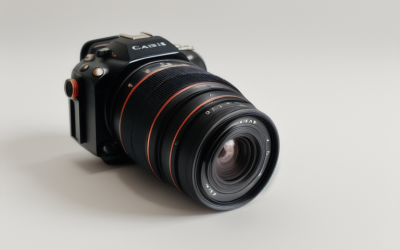
True 8K 64MP Digital Camera for Photography with Microphone(Black) | Autofocus & Anti-Shake,16X Zoom,WiFi,Wide-Angle Macro Lens,32GB TF Card,Vlogging Camera for YouTube & Travel
One of the consumer electronics options compared in this guide.
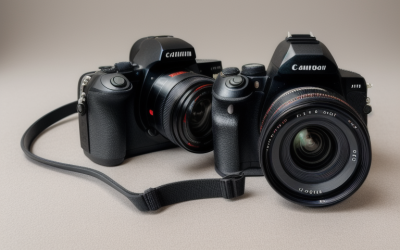
View on AmazonCanon EOS R100 Mirrorless Camera with 18-45mm & 75-300mm Double Lens Bundle | For Photography & Video | 24.2MP APS-C Mirrorless Camera | 4K Video | Dual Pixel Autofocus + 64GB Memory Card + Camera Bag
One of the consumer electronics options compared in this guide.
View on Amazon
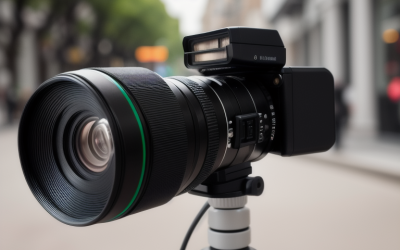
64MP 8K Cameras for Photography with 2.8" Flip Screen & Hot Shoe,Black | 16X Zoom, WiFi, Autofocus,Vlogging Camera for YouTube, 32GB Card & 2 Batteries
One of the consumer electronics options compared in this guide.
View on Amazon
Canon EOS Rebel T7 DSLR Camera with EF18-55mm + EF 75-300mm Double Zoom Kit 2727C021 Bundle with 64GB Memory Card, Deco Photo Camera Bag, Deco Essentials Camera Bag and Photography Guidebook
One of the consumer electronics options compared in this guide.
View on AmazonTrue 8K 64MP Digital Camera for Photography with Microphone(Black) | Autofocus & Anti-Shake,16X Zoom,WiFi,Wide-Angle Macro Lens,32GB TF Card,Vlogging Camera for YouTube & Travel
One of the consumer electronics options compared in this guide.
View on Amazon
KODAK PIXPRO AZ405 20MP Digital Camera, 40x Optical Zoom, AA, OIS, Black | 1080p Full HD Video, 24mm Wide Angle Lens, 3 Inch LCD, Bridge Camera, Scene Detection, Travel and Wildlife
One of the consumer electronics options compared in this guide.
View on Amazon
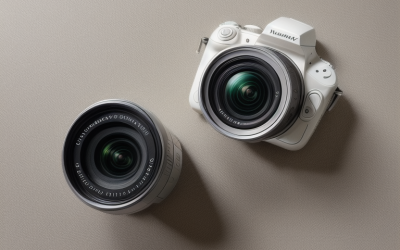
Canon EOS Rebel T7 DSLR Camera with 18-55mm Lens Bundle | For Beginner Photography | 24.1MP APS-C DSLR Camera | Built-in Wi-Fi & NFC + 64GB Memory Card + Camera Bag
One of the consumer electronics options compared in this guide.
View on Amazon| Product | Best for | Key spec from the title |
|---|---|---|
| True 8K 64MP Camera (first listing) | Budget backyard birds | 16X zoom, WiFi, autofocus, 32GB TF card |
| Canon EOS R100 Double Lens Bundle | Beginner mirrorless with reach | 24.2MP APS-C, 18-45mm and 75-300mm lenses |
| 64MP 8K Camera with Hot Shoe | Budget shooters wanting accessory mounting | Hot shoe, 2 batteries, 16X zoom, WiFi |
| Canon EOS Rebel T7 Double Zoom Kit | DSLR with telephoto included | EF 18-55mm and EF 75-300mm, 64GB card, bag |
| True 8K 64MP Camera (second listing) | Same feature set, second seller | Macro lens, microphone, 32GB TF card |
| KODAK PIXPRO AZ405 | Superzoom without lens changes | 40x optical zoom, optical image stabilization, 20MP |
| Canon EOS Rebel T7 with 18-55mm | Entry DSLR for learning | 24.1MP APS-C, built-in Wi-Fi and NFC, 64GB card |
How to Choose
Reach: focal length and optical zoom
For small birds you want at least 300mm on an APS-C body, and many photographers eventually go much longer. Bridge cameras advertise this as optical zoom; a figure like 40x optical on a compact body is the cheapest way to reach far. Be careful with budget listings that say 16X zoom without saying optical, since digital zoom only crops pixels. A 75-300mm lens on an interchangeable-lens body is a real telephoto, but the 300mm end is slower in dim light.
Autofocus and shooting speed
Wildlife subjects change position in a heartbeat. DSLR and mirrorless systems with phase-detect or dual-pixel autofocus follow motion better than the contrast-based systems in many budget compacts. Look for continuous autofocus, burst shooting, and a sensible buffer. A camera that locks focus slowly will give you a gallery of empty branches where a bird used to be. If a listing never mentions autofocus performance, treat it as basic.
Light, sensors, and stabilization
Dawn and dusk are prime time for animals, but small sensors fall apart in low light. An APS-C sensor offers a major advantage over the tiny sensors in superzoom compacts and budget vlogging cameras. Stabilization helps with long lenses; optical image stabilization is worth seeking, especially when shooting handheld at 200mm or beyond. Faster shutter speeds, ideally at least 1/500 of a second for moving animals, matter more than megapixels.
Ethics, rules, and practical kit
Check local wildlife rules before you go: many parks and refuges set minimum distances, ban baiting, or restrict drones and flash. Never chase or corner an animal to get a better frame. A bag, spare battery, and fast card are more useful than extra megapixels. Where budget cameras cut corners is usually the lens and the viewfinder, so prioritize optics and handling.
The 7 Best Options
True 8K 64MP Camera (First Listing)
This budget camera is listed as an 8K, 64MP digital camera with a microphone, autofocus, anti-shake, 16X zoom, WiFi, a wide-angle macro lens, and a 32GB TF card. It is pitched at vlogging, so treat any wildlife use as casual, such as backyard birds or squirrels near a window, where short distances make a modest zoom workable. The macro lens is the more interesting extra, since insects and flowers do not require reach at all and reward a camera that can focus up close.
- Strength: a card and a macro lens are included, so it is ready for close subjects like insects.
- Strength: WiFi simplifies sharing quick wildlife snapshots.
- Trade-off: 16X zoom is not stated as optical, so reach and detail at distance will be limited.
Skip it if you plan to photograph shy animals from a distance.
Canon EOS R100 Double Lens Bundle
This mirrorless bundle pairs the 24.2MP APS-C Canon EOS R100 with an 18-45mm kit lens and a 75-300mm telephoto, with 4K video and autofocus noted in the listing. The second lens is the point for wildlife, since 300mm gives you actual telephoto reach on a camera with a far larger sensor than budget compacts.
- Strength: APS-C sensor and 75-300mm lens create a legitimate wildlife starter kit.
- Strength: an autofocus system designed for mirrorless use supports tracking moving subjects.
- Trade-off: the 75-300mm lens is slower in low light, and the bundle is heavier than a compact.
Skip it if you want the lightest possible setup.
64MP 8K Camera with Hot Shoe
This budget model lists 64MP stills, 8K video, a 2.8 inch flip screen, a hot shoe, a 16X zoom, WiFi, autofocus, a 32GB card, and two batteries. The hot shoe is an unusual find at this level and lets you add a small light or microphone, while the second battery helps with long outings. Buyers who like to experiment with accessories will appreciate that the flip screen is also useful for low ground-level shots of ground-feeding birds.
- Strength: two batteries support longer days outdoors.
- Strength: the hot shoe adds accessory options.
- Trade-off: zoom is not labeled optical, so distant animals will stay small.
Skip it if telephoto reach is your priority.
Canon EOS Rebel T7 Double Zoom Kit
This DSLR bundle pairs the Rebel T7 with an EF 18-55mm lens and an EF 75-300mm lens, plus a 64GB card and a camera bag, according to the listing. Like the R100 bundle, it offers real telephoto reach, but through an optical viewfinder, which many wildlife shooters prefer because it shows the scene without lag. Two lenses mean you can start with a wide view of the habitat and switch to the long zoom when an animal appears at the edge of a field.
- Strength: 75-300mm lens provides actual telephoto range.
- Strength: the bundle includes a bag and memory card to get started.
- Trade-off: DSLR bodies and two lenses add weight to a hike.
Skip it if you prefer a compact mirrorless body or a built-in superzoom.
True 8K 64MP Camera (Second Listing)
This second listing carries the same title details as the first: 8K, 64MP, microphone, autofocus, anti-shake, 16X zoom, WiFi, wide-angle macro lens, and a 32GB TF card. Because the specs match, the same limits apply, and it may suit someone who wants to compare sellers or availability. Do not read the duplicate as a second model; it is the same feature list from a different listing.
- Strength: macro lens helps with close-up nature subjects.
- Strength: bundled card and microphone make it a one-box kit.
- Trade-off: digital-style zoom limits wildlife reach.
Skip it if you want proven telephoto performance.
KODAK PIXPRO AZ405
The AZ405 is a bridge camera with a 20MP sensor, 40x optical zoom, optical image stabilization, a 24mm wide-angle lens, 1080p video, and a 3 inch LCD, powered by AA batteries. The optical zoom is the highlight, offering far more reach than any budget compact with only a digital figure. AA batteries also mean you can buy spares almost anywhere on a remote trip, which is handy when the shooting day outlasts a charge.
- Strength: 40x optical zoom reaches distant birds and animals without changing lenses.
- Strength: optical image stabilization supports handheld long-lens shots.
- Trade-off: a small sensor in low light will struggle at dawn and dusk.
Skip it if you shoot mainly in dim conditions or need fast burst tracking.
Canon EOS Rebel T7 with 18-55mm
This entry DSLR bundle lists a 24.1MP APS-C sensor, built-in Wi-Fi and NFC, an 18-55mm lens, and a 64GB card. It is a learning camera, and for wildlife it only becomes useful once you add a telephoto lens, since 55mm is far too short for animals. Think of this as the body you buy now and build around, adding a 70-300mm class lens once you know which subjects you enjoy most.
- Strength: APS-C sensor with a path to buy a telephoto later.
- Strength: built-in Wi-Fi helps with quick image transfer.
- Trade-off: the included lens is not suited to wildlife without an upgrade.
Skip it if you want a ready-to-go telephoto setup out of the box.
Which One Fits Your Situation
You want real reach without changing lenses
The KODAK PIXPRO AZ405 is the simplest fix, with 40x optical zoom and stabilization in one body. It suits birders and hikers who value a single, simple package, and it avoids the dust risk that comes with swapping lenses outdoors.
You want a system that can grow
Pick the Canon EOS R100 double lens bundle. The APS-C sensor, 4K video, and 75-300mm lens give you room to improve without replacing the body.
You prefer an optical viewfinder
The Canon Rebel T7 double zoom kit includes a telephoto and a bag, so it is the more complete DSLR option. The 18-55mm-only version works as a base if you plan to add a lens later.
You photograph backyard visitors on a budget
One of the budget 8K-labeled cameras can handle close subjects, especially with a macro lens or a hot shoe accessory. Keep expectations modest for distant animals, and plan to approach with patience at a blind or window rather than on foot.
Common Mistakes
- Trusting “16X zoom” claims that do not specify optical reach.
- Buying a camera with a short kit lens and expecting to photograph birds.
- Getting too close to animals instead of using a longer lens.
- Ignoring park and refuge rules on distance, feeding, flash, and drones.
- Choosing megapixels over autofocus speed and low-light performance, then missing shots at dawn when animals are most active.
Related guides
- Wireless Gaming Headset For Pc And Ps5
- Razer Gaming Chairs For Tall Gamers
- 7.1 Surround Sound Gaming Headsets
Frequently Asked Questions
How much zoom do I need for wildlife photography?
For birds, around 300mm on an APS-C body is a starting point, and more is better. Large mammals can often be photographed with less reach, but safety should always come first, so keep a respectful distance from anything large.
Is a DSLR or mirrorless camera better for wildlife?
Both work well. Mirrorless bodies tend to have newer autofocus systems, while DSLRs offer optical viewfinders and a large lens catalog. Match the choice to your budget and lens plans.
Can a bridge camera replace a DSLR?
For casual use, yes. A bridge camera gives huge reach in one package, but smaller sensors limit low-light quality and speed.
How close can I get to animals?
Local rules and common sense decide. Stay at a distance that does not change the animal’s behavior, and check park regulations. If an animal stops feeding, stares at you, or moves away, you are too close.