Key takeaways
- Game library compatibility: Check whether your must-play titles run natively or through a translation layer like Proton. Anti-cheat middleware is still the most common dealbreaker on Linux and SteamOS, so verify your competitive shooters before committing.
- Hardware fit: A tuned OS like SteamOS is optimized for handheld power draw and thermals, while a general desktop distro gives you more freedom on custom-built PCs. Match the OS to the machine it will actually live on.
- Maintenance appetite: Some platforms are set-and-forget with atomic updates that cannot break your system, while others reward tinkering. Be honest about how much time you want to spend in a terminal.
- Performance overhead: Look for an OS that keeps background services lean. Fewer telemetry and update processes competing for CPU time translates directly into more stable 1% lows in demanding games.
- Ecosystem and updates: Consider how frequently the OS is patched, how big its community is, and whether driver support keeps pace with new GPUs. A vibrant community means faster fixes when something breaks.
What's inside
The operating system you game on has quietly become one of the biggest decisions in your setup for 2026. For years the answer was simply “install Windows and forget about it,” but that is no longer the default assumption. SteamOS has matured into a genuinely excellent gaming platform, Linux distros have closed most of the compatibility gap thanks to Proton, and even the way Windows handles a gaming session has shifted. The right OS can mean smoother frame pacing, faster boot times, less background bloat, and in some cases a noticeably longer battery life on portable hardware.
This roundup walks through the best gaming operating systems for 2026 and the hardware that shows each one off at its best. Because SteamOS is now shipping on retail devices you can actually buy, we lean heavily on the Valve Steam Deck lineup as the reference platform, but the guidance applies whether you are picking an OS for a handheld, a couch console, or a full desktop rig. Below you will find how to choose, our recommended gear, and answers to the questions we hear most often.
As an Amazon Associate we earn from qualifying purchases at no extra cost to you. Product prices and availability are accurate as of the date shown and are subject to change.


⚡ Save on Your Next PC — Amazon Prime
Prime members get fast free shipping on the systems above, plus early access to Prime Day & Black Friday PC deals. New members get a 30-day free trial.
Watch: Best Gaming OS 2026 — Video Review
How to Choose a Gaming Operating System
- Game library compatibility: Check whether your must-play titles run natively or through a translation layer like Proton. Anti-cheat middleware is still the most common dealbreaker on Linux and SteamOS, so verify your competitive shooters before committing.
- Hardware fit: A tuned OS like SteamOS is optimized for handheld power draw and thermals, while a general desktop distro gives you more freedom on custom-built PCs. Match the OS to the machine it will actually live on.
- Maintenance appetite: Some platforms are set-and-forget with atomic updates that cannot break your system, while others reward tinkering. Be honest about how much time you want to spend in a terminal.
- Performance overhead: Look for an OS that keeps background services lean. Fewer telemetry and update processes competing for CPU time translates directly into more stable 1% lows in demanding games.
- Ecosystem and updates: Consider how frequently the OS is patched, how big its community is, and whether driver support keeps pace with new GPUs. A vibrant community means faster fixes when something breaks.
The Best Gaming Operating Systems and Recommended Gear
Steam Deck OLED 1TB (SteamOS)
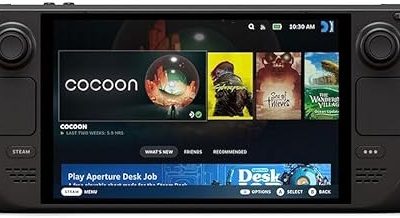
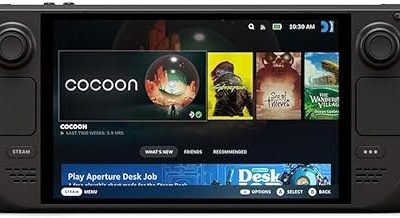
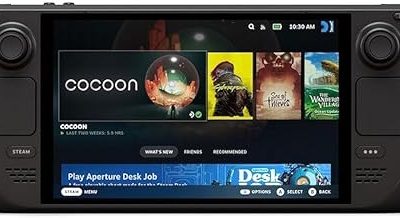
The 1TB Steam Deck OLED is the flagship showcase for SteamOS, and it is the device we point most people toward first. The Arch-based, atomic SteamOS build boots straight into a controller-friendly Big Picture interface, suspends and resumes games instantly, and pairs beautifully with the 90Hz HDR OLED panel. If you want to experience what a gaming-first OS feels like with zero configuration, this is it.
Steam Deck OLED 512GB
The 512GB OLED model runs the identical SteamOS experience at a friendlier price. You still get the vivid OLED display, longer battery life over the original LCD units, and the same seamless Proton compatibility layer. For most players the 512GB storage is plenty once you add a microSD card, making this the sweet-spot pick for SteamOS.
Steam Deck 512GB LCD
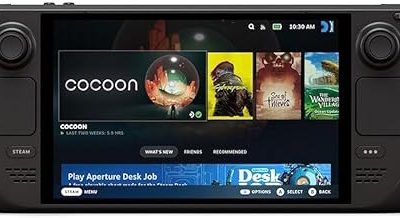
The LCD Steam Deck remains the most affordable way into the SteamOS ecosystem. The panel is not OLED and battery life is shorter, but the software experience is exactly the same, including Desktop Mode for when you want a full Linux environment. It is a smart entry point if you are curious about SteamOS without paying flagship money.
Steam Deck OLED 2TB
For collectors who install dozens of large titles, the 2TB Steam Deck OLED removes storage anxiety entirely. Running SteamOS on Wi-Fi 6E with the 7.4-inch HDR display, it is the most future-proof handheld in the lineup and the one least likely to need a memory card. Ideal for anyone treating their handheld as a primary machine.
Steam Deck 64GB (Renewed)
A renewed base-model Steam Deck is the bargain-hunter’s route to SteamOS. The 64GB storage fills quickly, so plan on adding a fast microSD card, but the OS runs identically to pricier units. If you simply want to try a gaming-tuned Linux platform before investing more, a renewed Deck is a low-risk way to do it.
Frequently Asked Questions
Is SteamOS better than Windows for gaming in 2026?
For handheld and couch gaming, SteamOS often delivers a smoother, faster experience because it is purpose-built for that role, with instant suspend/resume and low overhead. For competitive titles that rely on kernel-level anti-cheat, Windows still holds an advantage, so the best OS depends on what you play.
Can I run all my Steam games on a Linux-based OS?
Most single-player and many multiplayer games run flawlessly through Proton, but some online titles with strict anti-cheat are blocked. Check ProtonDB or the Deck Verified rating for your specific games before assuming full compatibility.
Do I need to know Linux commands to use SteamOS?
No. In its default gaming mode SteamOS behaves like a console, and you never touch a terminal. Desktop Mode is available if you want deeper control, but it is entirely optional for everyday play.
Does the operating system really affect gaming performance?
Yes, though usually at the margins. A lean OS frees up CPU cycles and RAM from background tasks, which can improve frame consistency and reduce stutter. The bigger real-world gains often come from faster boot, resume, and update behavior rather than raw average FPS.
Final Thoughts
Choosing a gaming OS in 2026 is no longer a one-size-fits-all decision. SteamOS has proven that a purpose-built platform can rival or beat Windows on the right hardware, and the Steam Deck family is the easiest way to experience it without any setup headaches. If you value convenience and battery life on portable hardware, a SteamOS device is hard to beat. If you demand universal game compatibility on a desktop, keep Windows in the mix. Either way, treat the operating system as a real part of your gaming build, not an afterthought, and you will get a noticeably better experience.