Our Top Picks
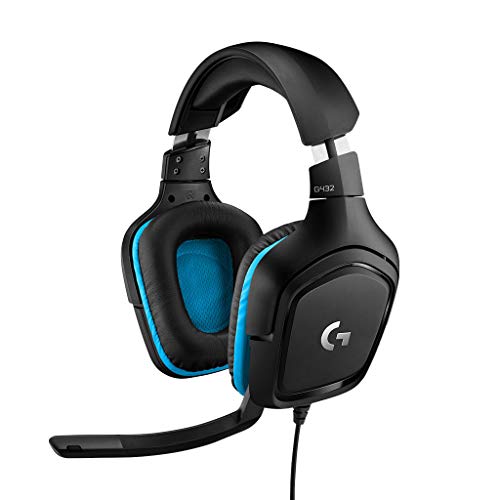 Logitech G432 Wired Gaming Headset7.2 x 3.2 x 6.8 inches7.8 x 4.3 x 9 Inches0.7 poundsCheck on Amazon
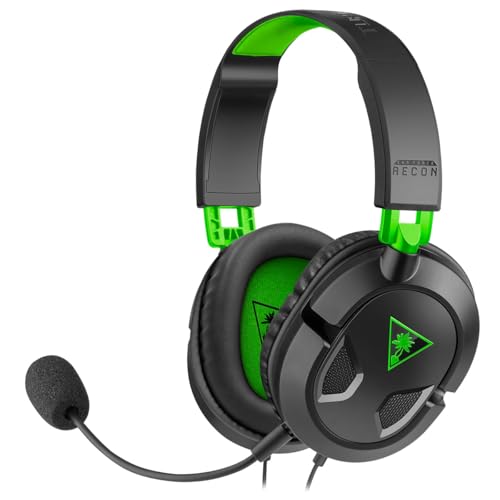 Turtle Beach Recon 50 Wired Multiplatform Gaming Headset40mm5.75 x 2.76 x 7.5 inches0.34 poundsCheck on Amazon
 SENZER SG500 Gaming Headset with Noise Cancelling Microphone5.9 x 3.8 x 5.9 Inches0.66 poundsCheck on Amazon
The best headset for FPS games is the one that keeps footsteps, reloads and teammate callouts easy to separate while staying connected for a whole session. Among the six listings below, the Logitech G432 is the most straightforward wired pick for a PC player, and the Acer, AOC and NUBWO wireless models are the ones to consider if you want to drop the cable and play on PC, PS5 or Switch. None of them claims studio-grade tuning, and that is acceptable for shooters, where clear stereo imaging and a dependable mic matter more than headline specs.
Below you will find a comparison table, a short note on what really helps in a shooter, a profile of every model, and three practical tools: a battery estimate, a decision table and a checklist for the first evening after delivery.
Six headsets at a glance

AOC 2.4GHz Wireless Gaming Headset for PS5, PS4, PC, Switch, 45Hr, White | Bluetooth 6.0 Gaming Headphones with Noise Canceling Mic, 7.1 Virtual Surround, Great for Fortnite & Call of Duty/FPS Gamers
One of the home product options compared in this guide.
View on Amazon
NUBWO Wireless Gaming Headset with Mic for Ps5 Ps4 PC, Zero Interference, 100-Hour Battery All-Day Play, 23ms Sync for Fortnite & Call of Duty/FPS Gamers, Triple Mode All Devices Compatible - Orange
One of the home product options compared in this guide.
View on AmazonLogitech G432 Wired Gaming Headset - Black | DTS Headphone:X 2.0, 50 mm audio drivers, USB and 3.5 mm jack, Flip-to-Mute mic, PC compatible
One of the home product options compared in this guide.
View on AmazonTurtle Beach Recon 50 Wired Multiplatform Gaming Headset for Xbox, PS5, PC | Xbox Series X|S, Xbox One, PlayStation, PS4, Mobile, Removable Mic, 40mm Speakers, In-Line Controls, Lightweight, Black Green
One of the home product options compared in this guide.
View on Amazon
Acer Wireless Gaming Headset with Zero-Latency for PS5,PC,Switch-40H Batt | 2.4GHz & Bluetooth 5.4 Gaming Headphones with Adjustable Mic, 50mm Drivers for Immersive Sound, for FPS & RPG Games, Black
One of the home product options compared in this guide.
View on AmazonSENZER SG500 Gaming Headset with Noise Cancelling Microphone Black | Surround Sound Wired Gaming Headset Memory Foam Padding - Portable Foldable Headphones for PC, PS4, PS5, Xbox One, Switch
One of the home product options compared in this guide.
View on Amazon| Model | Connection (per title) | Key point from the title | Price tier | Best for |
|---|---|---|---|---|
| AOC 2.4GHz Wireless Gaming Headset | 2.4GHz plus Bluetooth | 45-hour claim, 7.1 virtual surround, noise-canceling mic | Mid | Cable-free play on PC and consoles |
| NUBWO Wireless Gaming Headset | Triple mode | 100-hour claim, 23ms sync claim | Budget | Players who hate charging |
| Logitech G432 | USB and 3.5mm | DTS Headphone:X 2.0, 50mm drivers, flip-to-mute mic | Mid | PC players who want wired reliability |
| Turtle Beach Recon 50 | Wired | 40mm speakers, removable mic, in-line controls | Budget | Console and mobile switching |
| Acer Wireless Gaming Headset | 2.4GHz and Bluetooth 5.4 | 40-hour claim, 50mm drivers, adjustable mic | Mid | PC, PS5 and Switch without Xbox |
| SENZER SG500 | Wired | Noise-cancelling mic, memory foam, foldable | Budget | Travel bag and secondary setup |
What helps in a shooter, and what is marketing
Three things decide whether a headset feels good in a competitive match. First, stereo balance: if the left and right drivers are well matched, you can judge where a footstep came from without any effect switched on. Second, comfort over long sessions, because clamping force or hot pads shorten the time you will wear it. Third, a mic that people on voice chat can understand without you shouting.
Virtual 7.1 and “zero latency” are different kinds of claim. Virtual surround is a processing effect on a stereo signal, and plenty of players leave it off. “Zero latency” cannot be literally true for any wireless link; the figure worth looking for is a stated delay in milliseconds, and even that is a seller number. Plan around those claims rather than on them.
Cable or dongle: a quick way to decide
Wired headsets win on certainty. There is nothing to charge, nothing to pair, and the signal path is short, so the only failure mode is a frayed cable. They lose on freedom: a short lead on a console controller or a tower under the desk gets annoying fast.
Wireless dongle headsets keep latency low enough for most players when the dongle is in line of sight, but they add a battery that will eventually need replacing or tolerating. Bluetooth-only use is the weakest option for shooters because audio delay is typically higher; treat it as the phone-call mode, not the game mode. If you move between a PC and a console, check how many dongles you need, since a model with one receiver that is moved between ports is more awkward than it sounds.
Comfort and fit before specs
A headset you take off after forty minutes is worse than a plain one you keep on for four hours. Look for padding that is described as memory foam or similar, a headband that adjusts without a tool, and an ear cup shape that suits your ears; those are judged from photos and buyer comments, not from the spec sheet. If you wear glasses, flat pads that press on the arms of the frame can become uncomfortable, so look for buyer remarks on that exact point.
How the list was built
The six headsets come from current listings that name FPS or shooter play in the title or that carry a feature set aimed at it. The basis is published specifications, manufacturer documentation and buyer reviews. Nobody on the team used or measured these units. Where the title is silent, the entry says to check the listing instead of guessing.
The six listings, one by one
AOC 2.4GHz Wireless Gaming Headset (white)
The title packs in a lot: PS5, PS4, PC and Switch support, a 45-hour battery claim, “Bluetooth 6.0”, a noise-canceling mic and 7.1 virtual surround. For a shooter player the useful pairing is the 2.4GHz dongle for play and Bluetooth as a backup for a phone. “Noise canceling” here refers to the microphone, not to the ear cups blocking room noise, which is worth knowing if you play in a loud house.
Treat Bluetooth 6.0 on an inexpensive headset as a claim to verify on the listing. The version number matters less than whether the dongle is USB-A or USB-C and fits your console. A white finish also looks clean on a light desk but shows skin oils and dust sooner than black, which is a cosmetic point, not a performance one. Question to settle before buying: do you want surround processing, and can it be turned off?
Who it suits: console-and-PC players who want one cable-free headset and are willing to read the listing for dongle and surround details; less ideal if you need a guaranteed Xbox connection or a documented latency number.
Pros
- Long battery claim for a wireless model.
- Dongle plus Bluetooth gives two ways to connect.
- Wide platform list in the title.
Cons
- Surround is virtual, and the title gives no stereo-only detail.
- Version and latency claims need checking on the page.
NUBWO Wireless Gaming Headset (orange)
This is the endurance option, with a 100-hour battery claim and a 23ms sync figure in the title. At 60 frames per second a single frame lasts about 16.7ms, so 23ms is slightly more than one frame of delay; fine for most players, though audio-video sync is not the same thing as input delay. “Triple Mode” suggests several connection types, but the title does not say which, so open the listing.
The orange colorway is the only variant named. Platform text covers PS5, PS4 and PC, and “all devices compatible” reads like marketing, so confirm Xbox and Switch support if you own either. Because the figures are seller-supplied, buyer feedback on dongle stability and microphone clarity is the more useful evidence here. Question to settle first: which three modes does it actually offer?
Who it suits: anyone who plays in long blocks, charges rarely and does not mind a bright colorway. It is a sensible first wireless headset on a tight budget, provided you confirm which platforms and connection modes the listing really supports.
Pros
- Very long battery claim.
- A millisecond sync figure is stated, which is rare.
- Sits in the budget tier.
Cons
- “All devices” wording is vague.
- Bold orange styling is not for everyone.
Logitech G432 Wired Gaming Headset
The G432 is the plain-spoken one of the group: wired, 50mm drivers, DTS Headphone:X 2.0, a flip-to-mute mic and both USB and 3.5mm connections. The surround processing is normally tied to the USB connection, so check the maker’s page if you plan to use the jack. Flip-to-mute is handy in shooters, because you can silence the mic with one hand while a teammate watches the angle.
The title says “PC compatible”, so do not assume console parity; the 3.5mm jack may work on a controller while the USB feature set is for a computer. A wired link also means no battery question at all, which suits long ranked sessions, and a cable that runs behind the monitor is easy to forget once it is routed. If you sit close to your PC the lead length is a non-issue, but check the listing if your tower is across the room.
Who it suits: desk-bound PC players in ranked queues who value a fixed, predictable setup and a quick mute, and who would rather plug in than think about batteries.
Pros
- USB and 3.5mm options.
- Mic mutes by flipping up.
- No charging or pairing.
Cons
- Cable tether on a small desk.
- Surround features likely need USB.
Turtle Beach Recon 50 Wired Multiplatform
The Recon 50 pitches itself as a multiplatform headset for Xbox, PS5, PC and mobile, with 40mm speakers, a removable mic, in-line controls and a lightweight build. The smaller drivers do not rule out clear sound, but they leave less room for bass, so it suits callout-focused play more than cinematic games. Lightweight also helps in long sessions, since less mass on the headband means fewer pressure complaints.
The removable mic is a quiet advantage: pull it off for solo sessions and the headset reads as plain headphones. In-line controls let you change volume without alt-tabbing or opening a console menu. The title does not list weight or connector details beyond “wired”, so check that the plug suits your controller or PC. The black-and-green styling is loud, which some buyers like and others avoid.
Who it suits: Xbox, PlayStation and mobile players who want inexpensive wired audio with the option to pull the mic off, and who value a light feel over bass.
Pros
- Broad platform list including Xbox.
- In-line volume controls.
- Detachable mic.
Cons
- 40mm drivers, less bass headroom.
- Basic feature set with no stated surround mode.
Acer Wireless Gaming Headset
Acer’s listing promises “zero-latency”, 2.4GHz and Bluetooth 5.4 connections, a 40-hour battery claim, 50mm drivers and an adjustable mic, aimed at FPS and RPG players. Treat zero-latency as a slogan: no wireless audio link is literally instant, and the listing gives no millisecond figure to compare with NUBWO’s. The RPG mention is a hint that tuning may lean toward a fuller sound than a pure competitive profile, but that is a guess, not a statement from the seller.
Platforms named are PS5, PC and Switch, so Xbox owners should look elsewhere. Bluetooth 5.4 is a recent standard for a small headset and a reasonable fallback connection for a phone call. Ask before buying: how does the dongle behave when the console sits across the room, and does the mic boom stay where you put it?
Who it suits: PC or PS5 players who prefer larger drivers and a wireless link, and who do not need Xbox support or a published delay figure.
Pros
- 50mm drivers on a wireless model.
- Dual wireless modes.
- Adjustable mic position.
Cons
- No stated latency figure.
- Xbox missing from the title.
- Shorter battery claim than NUBWO.
SENZER SG500 Wired Gaming Headset
The SG500 is the least familiar name here. The title lists a noise-cancelling mic, surround sound, memory foam padding and a portable foldable design for PC, PS4, PS5, Xbox One and Switch. Foldable headsets add hinges, and hinges are where budget headsets tend to loosen over time, though that is a general pattern rather than a finding about this unit.
It does not state driver size, connection type or any surround implementation. That is a lot to confirm on the page, and buyer feedback on mic clarity and clamp force will matter more than the feature list. It could still be a sensible second headset for a bedroom setup or a travel bag, where you want something that packs flat and works with whatever console is nearby.
Who it suits: secondary setups, kids’ rooms or travel cases, where price and portability matter more than a documented feature list.
Pros
- Foldable for storage and travel.
- Memory foam pads.
- Wide platform list.
Cons
- Driver details missing.
- Unfamiliar brand, so rely on buyer feedback.
Stereo, surround and footsteps
Several of these listings lean on 7.1 or DTS Headphone:X language. These are virtualization modes: the headset still has one driver per ear, and software adds timing and level differences to suggest sounds behind or above you. Some players find that helpful for vertical cues; others find it makes distance harder to judge. The only reliable method is to switch the mode on and off in the same map and see which one lets you point to a sound faster.
Game audio settings matter as well. Many shooters offer their own headphone or “night” modes, and stacking a game effect on top of a headset effect can double-process the sound. Pick one layer of processing, not two, and keep the volume moderate so that loud gunfire does not mask quieter footsteps.
Mic expectations at this price
Headset mics in this group are made for voice chat, not broadcasting. A boom mic that sits two fingers from the corner of your mouth will usually beat a better mic placed too far away. Features worth having: a clear mute state (flip-up or an obvious button), a boom you can move, and in the case of the Turtle Beach a mic you can remove. If a listing advertises “noise cancelling” for the mic, that normally means background-noise reduction in the mic path, and quality varies, so rely on buyer comments about how teammates sound.
Translating the spec lines
| Spec concept | What to look for | Why it matters in a shooter |
|---|---|---|
| Driver size | 40mm to 50mm is common | Larger helps volume headroom, not automatically clarity |
| Connection | 3.5mm, USB, 2.4GHz dongle | Sets console support and delay behavior |
| Stated latency | A millisecond figure, not a slogan | Lets you compare wireless models fairly |
| Surround mode | Can it be turned off? | Stereo is easier to judge by ear |
| Mic type | Boom, removable, flip-to-mute | Quick mute and clean callouts |
| Battery claim | Hours at a stated volume | Real life is shorter than best case |
Which listing for which player
| If you are… | Lean toward | Watch out for |
|---|---|---|
| A PC ranked grinder | Logitech G432 | Cable drag on small desks |
| On PS5 with a couch setup | AOC, NUBWO or Acer | Dongle port and range |
| An Xbox player | Turtle Beach Recon 50 | Acer and AOC titles omit Xbox |
| Someone who forgets to charge | NUBWO | Claim is seller-supplied |
| Building a spare headset | SENZER SG500 | Missing technical detail |
If you also need a mouse to go with the headset, the roundup of the best gaming mouse for FPS games pairs well with this one, and game-specific advice lives in the Overwatch 2 headset guide and the Splitgate 2 headset guide.
Worked example: how often will you charge?
Assumptions: you play three hours a day. The seller hour claims are cut by one third to allow for volume and lighting, which is a rule of thumb, not a measurement.
| Headset | Claimed hours | Planning hours (two thirds) | Days per charge at 3 hours a day |
|---|---|---|---|
| NUBWO | 100 | about 67 | about 22 |
| AOC | 45 | about 30 | about 10 |
| Acer | 40 | about 27 | about 9 |
Conclusion from the arithmetic: both the AOC and Acer fit a weekly top-up habit, while the NUBWO could go three weeks. If a headset dies in the middle of a ranked match, none of those numbers will help you, so charging on a schedule matters more than the claim.
First-evening checklist
- Open a training range or custom game and walk past a wall; note whether footsteps shift left to right smoothly.
- Switch surround off, repeat, then switch it on; keep whichever setting makes direction easier to judge.
- Record a ten-second voice clip and play it back; check for hiss, plosives and clipping.
- Wear it for an hour with glasses or a headband if you use them; note pressure points.
- For wireless, walk to the edge of your normal play area and listen for crackle.
- Decide within the return window, not after the first bad session.
Mistakes buyers make, and the fix
| Mistake | Why it hurts | Fix |
|---|---|---|
| Buying on the surround label | Virtual 7.1 can smear direction | Pick a model where it can be disabled |
| Ignoring the platform line | Some listings omit Xbox | Confirm console support in the title |
| Trusting “zero latency” | No numeric figure behind it | Prefer a stated millisecond value or go wired |
| Skipping the mic | Teammates mute a muddy mic | Record a short clip on day one |
| Chasing the longest battery | A bad fit ends sessions sooner | Prioritize comfort first |
Verdict
For a PC desk, take the wired Logitech G432. For couch play on PS5, pick between NUBWO for stamina, AOC for the widest feature list and Acer for 50mm drivers, noting Acer leaves Xbox off its title. Xbox owners get the most clarity from the Turtle Beach Recon 50 listing. The SENZER SG500 is a fine backup, not a first choice.
Whatever you choose, read the product page for the connector type, dongle shape and platform list before paying, because those lines decide whether the headset works at all with your setup. Keep the packaging for the first week, run the evening checklist above, and return anything whose mic, fit or sound you dislike. A headset is a daily tool, so a small annoyance on day one usually becomes a large one by month three.
Frequently asked questions
Is 7.1 surround sound actually good for FPS games?
Usually it is a software effect applied to a two-driver headset. It can widen the soundstage, but it can also blur the exact direction of footsteps. Many shooter players keep plain stereo on and treat surround as optional, so look for a headset that lets you switch it off and judge the result in a quiet round.
Should I buy wired or wireless for competitive shooters?
Wired removes charging, pairing and dropout questions, so it is the safest default at a desk. Wireless 2.4GHz models are workable when the dongle sits close to the headset and the battery claim covers your weekly hours. Bluetooth alone is the weakest choice for fast audio cues.
Does driver size, 40mm versus 50mm, decide sound quality?
Not by itself. Tuning, enclosure design and the amplifier behind the drivers matter at least as much, and a listing rarely discloses them. Treat 50mm as a mild plus for bass and volume headroom, then lean on buyer feedback about clarity and mid-range detail.
Can one headset cover both PC and console?
Often yes, but read the platform line in the title. A 3.5mm jack works on most controllers and many PCs, while USB or 2.4GHz dongles depend on the port and the console. Some listings name PS5, PC and Switch but leave Xbox out, so confirm before ordering.
How long should a wireless gaming headset battery last?
Seller figures are best-case. As a planning rule, assume roughly two thirds of the stated hours once volume and lighting are above minimum, then divide by your daily play time. If that gives you a charge less than once a week, you will rarely think about it.
Do I need a separate microphone for FPS voice chat?
Not for casual squads. A boom mic close to your mouth is enough for callouts, and a flip-to-mute or removable mic is convenient. If you stream or record, a dedicated mic is a better investment than a more expensive headset.