Key takeaways
- Massive workspace gain: Add one or more screens to a single laptop instantly.
- Portable productivity: Work with a full multi-monitor setup anywhere.
- USB-C simplicity: Many panels run on one cable for power and video.
- Broad compatibility: Works with Windows, Mac, and often consoles and phones.
What's inside
A laptop screen extender attaches directly to your notebook and unfolds into a second, third, or even triple display, transforming a single cramped panel into a full mobile workstation. For professionals, students, and anyone who multitasks on the go, these portable extenders solve the biggest pain point of laptop work: not enough screen space. This review examines laptop extension monitors to help you pick the right one.
We look at popular options from KYY, KEFEYA, MNN, and ForHelp, spanning single-panel portable monitors and multi-screen extenders that clip onto your laptop lid. The goal is to match the number of screens, connectivity, and portability to how you actually work away from a desk.
As an Amazon Associate we earn from qualifying purchases at no extra cost to you. Product prices and availability are accurate as of the date shown and are subject to change.



🎮 Get More From Your Setup — Free
Prime Gaming gives you free PC games every month, in-game loot, and a free Twitch channel sub — plus fast free shipping on all the gear above. New members get a 30-day free trial.
Watch: Monitor For Laptop Extension: Review & Buyer’s Guide — Video Review
Design & Build
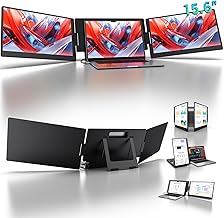
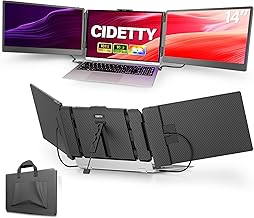
Laptop extenders come in two main forms. Single-panel portable monitors like the MNN 15.6-inch and KEFEYA 14-inch are slim IPS screens with kickstands that sit beside your laptop, while multi-screen extenders from KYY attach to the lid and fold out into triple-display arrays. The clip-on designs are ingenious but add weight and bulk to the laptop, whereas standalone panels are lighter and more flexible. Build quality is generally solid, with alloy frames on premium KYY models adding durability.
Performance
These displays deliver crisp 1080p IPS visuals suited to documents, spreadsheets, coding, and media. USB-C plug-and-play models like the MNN and KEFEYA drive video and power through a single cable, keeping setup simple. The KYY triple extenders dramatically expand workspace for serious multitaskers but often require a driver and put more demand on your laptop’s ports and GPU. The ForHelp panel offers a versatile standalone option with a smart cover. Match your choice to your laptop’s port capabilities and how much screen area you truly need.
Pros & Cons
- Massive workspace gain: Add one or more screens to a single laptop instantly.
- Portable productivity: Work with a full multi-monitor setup anywhere.
- USB-C simplicity: Many panels run on one cable for power and video.
- Broad compatibility: Works with Windows, Mac, and often consoles and phones.
- Added bulk: Clip-on triple extenders make the laptop heavier and less portable.
- Driver and port needs: Some multi-screen units require software and tax laptop resources.
Alternatives to Consider
If you want maximum screen area and don’t mind the weight, a KYY triple extender is unmatched for mobile multitasking. For lighter, more flexible use, a single standalone panel like the MNN or KEFEYA is easier to carry and set up. Choose based on whether you prioritize workspace or portability.
Frequently Asked Questions
Do laptop extenders need their own power?
Many USB-C models draw power from the laptop, though larger multi-screen extenders may need an external source to avoid draining the battery quickly.
Will a triple extender work with any laptop?
Most support 12- to 17-inch laptops, but check size and port compatibility. Some require a driver and adequate USB-C or HDMI output to run multiple screens.
Are these good for coding and spreadsheets?
Yes. The extra vertical and horizontal space is excellent for code, data, and side-by-side documents, which is where extenders shine.
Do they add much weight?
Single panels add little, but clip-on triple extenders noticeably increase the laptop’s weight and thickness, a trade-off for the added screens.
Verdict
The best laptop extension monitor depends on your balance of workspace and portability. For maximum multitasking, a KYY triple extender delivers the most screens, while the MNN and KEFEYA single panels offer lighter, flexible second displays. Match the setup to your laptop’s ports and how much you travel, and you’ll gain a genuinely more productive mobile workspace.