Key takeaways
- Exceptionally thin, premium build that’s easy to carry.
- Stunning 3K AMOLED display on the flagship configurations.
- Strong efficiency and battery life from the Ryzen AI chips.
- Capable NPU for Copilot+ on-device AI.
What's inside
The ASUS Zenbook S 16 has earned a reputation as one of the best-looking, thinnest premium ultrabooks you can buy, pairing AMD’s efficient Ryzen AI processors with a stunning display in a chassis that punches well above its weight. For creators and professionals who want power without bulk, it’s become a benchmark, but the lineup and its Vivobook siblings can be confusing.
This review sorts out the Zenbook S 16 family and the Vivobook S16 alternatives, so you understand exactly what each configuration offers and whether ASUS’s flagship thin-and-light deserves a spot on your desk or in your bag.
As an Amazon Associate we earn from qualifying purchases at no extra cost to you. Product prices and availability are accurate as of the date shown and are subject to change.





🎮 Get More From Your Setup — Free
Prime Gaming gives you free PC games every month, in-game loot, and a free Twitch channel sub — plus fast free shipping on all the gear above. New members get a 30-day free trial.
Watch: Asus Zenbook S 16 Laptop Reviews — Video Review
Design & Build
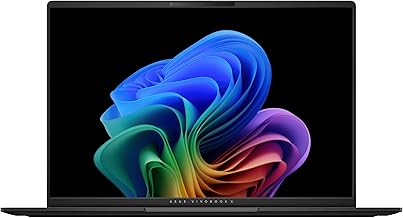
The Zenbook S 16 is the star of the show, with a genuinely impressive thin-and-light aluminum body that feels premium in hand and slips easily into a slim bag. The Ryzen AI 9 365 configurations, whether the 3K touchscreen model or the 3K AMOLED version, showcase ASUS’s Ceraluminum finish and excellent build rigidity. The Vivobook S16 models trade some of that flagship polish for value, but still deliver solid metal decks, backlit keyboards, and, in the OLED variants, gorgeous panels. Across the board, ports are sensible and the keyboards are comfortable for long sessions.
Performance
The Zenbook S 16’s Ryzen AI 9 365 with Radeon 880M graphics is a strong performer for productivity, photo editing, and light creative work, and its NPU powers Copilot+ AI features on-device. The 3K AMOLED display is the highlight for anyone doing color-sensitive work, delivering deep blacks and vivid color. For heavier creative loads, the Vivobook S16 with the 16-core Intel Ultra 9 285H and a 2.8K OLED is actually the muscle option, offering more multithreaded grunt, while the Ryzen AI 7 350 Vivobook is a leaner, efficiency-focused choice. Battery life on the AMD Zenbook is a genuine strength.
Pros & Cons
- Exceptionally thin, premium build that’s easy to carry.
- Stunning 3K AMOLED display on the flagship configurations.
- Strong efficiency and battery life from the Ryzen AI chips.
- Capable NPU for Copilot+ on-device AI.
- Integrated graphics limit heavy gaming and 3D work.
- Premium pricing on the AMOLED touch models.
- Thin chassis can warm under sustained full loads.
Alternatives to Consider
If you need more multithreaded power for rendering or heavy multitasking, the Intel Ultra 9 285H Vivobook S16 is the stronger performer despite the Zenbook’s premium feel. Budget-conscious buyers who still want an OLED panel should look at the Ryzen AI 7 350 Vivobook. And anyone needing discrete graphics for gaming should step outside this thin-and-light class entirely toward an RTX-equipped machine.
Frequently Asked Questions
Is the Zenbook S 16 good for creative work?
Yes for photo editing, design, and light video, especially the AMOLED model. For heavy 3D or 4K video, a machine with discrete graphics is better.
AMD Ryzen AI or Intel Ultra in this lineup?
The AMD Zenbook excels at efficiency and battery life; the Intel Ultra 9 285H Vivobook offers more raw multithreaded performance.
Does the display support touch?
Several Zenbook S 16 configurations include a 3K touchscreen; the AMOLED variants prioritize color accuracy, so check the specific listing.
How is battery life?
Very good, the Ryzen AI chips and efficient panel let the Zenbook S 16 comfortably last a full workday on a charge.
Verdict
The ASUS Zenbook S 16 is a superb premium ultrabook, best suited to professionals and creators who want a gorgeous AMOLED display and all-day battery in an ultra-thin body. If you need more multithreaded muscle, the Intel-powered Vivobook S16 is the smarter buy; if budget matters, the Ryzen AI 7 Vivobook keeps the OLED experience affordable.