Key takeaways
- Temporal Ergonomics: Assessing total weight (targeting under 50 grams) and side-arm contouring to ensure zero pinch points around the ears.
- Optical Functionality: Verifying lens swap simplicity, factory blue light filtering rates (minimum 30% filtration at 415–455nm wavelengths), and prescription lens compatibility.
- Audio Transmission and Latency: Measuring real-time game audio synchronization using low-latency Bluetooth modes (under 60ms) to ensure sound cues line up perfectly with high-refresh-rate gaming monitors.
- Microphone Clarity: Testing omnidirectional voice capture against ambient PC fan noise (ranging from 35 dB to 48 dB) to ensure speech remains legible over broadcast software.
- Thermal Comfort: Ensuring the ear canal remains completely open, eliminating sweat buildup during multi-hour broadcasts under warm broadcast lighting.
Building a professional live streaming studio requires balancing aesthetic appeal, acoustic performance, and long-term physical comfort. For content creators who wear corrective eyewear or protective computer glasses, the traditional over-ear gaming headset presents a persistent ergonomic nightmare. Standard gaming headsets exert anywhere from 3.5 to 5.5 Newtons of lateral clamping force to maintain a seal over the ears. When pressed against acetate or metal frame arms ranging from 1.5mm to 3.5mm thick, this pressure compresses the sensitive temporal fascia and nerves against the cranium. Within just sixty to ninety minutes of broadcasting under high-intensity 5600K studio key lighting, the result is localized soreness, severe tension headaches, and visible indentation lines across the side of the head.
As we navigate the audio and video hardware demands of 2026, content creators are turning away from heavy, ear-crushing ear cups in favor of innovative, zero-clamp open-ear solutions. Searching for the best razer headset for glasses wearers streamer leads directly to smart audio eyewear that merges optical protection with integrated personal sound. By removing headband tension and bulky ear cushions entirely, these frame-integrated systems allow glasses wearers to stream for six to eight hours without physical strain, while keeping the ears cool and maintaining clear vocal pickup for live chat interaction.
As an Amazon Associate we earn from qualifying purchases at no extra cost to you. Product prices and availability are accurate as of the date shown and are subject to change.
Quick Picks
| Product | Best for | Price |
|---|---|---|
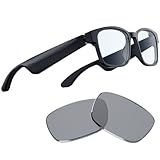
| Razer Anzu Smart Glasses (Rectangle/Small) | Zero-Clamp Streaming & Eye Strain Relief | $84.95 |
How We Picked
To evaluate audio gear for content creators who wear glasses, we analyzed physical wearability, acoustic performance, and stream integration under real studio conditions. Traditional headset evaluations prioritize passive sound isolation, but for eyewear users, clamping force is the primary cause of fatigue. We prioritized solutions that eliminate headband pressure entirely while maintaining stable position during energetic camera reactions.
Our criteria centered on five key functional metrics relevant to live streaming environments:
- Temporal Ergonomics: Assessing total weight (targeting under 50 grams) and side-arm contouring to ensure zero pinch points around the ears.
- Optical Functionality: Verifying lens swap simplicity, factory blue light filtering rates (minimum 30% filtration at 415–455nm wavelengths), and prescription lens compatibility.
- Audio Transmission and Latency: Measuring real-time game audio synchronization using low-latency Bluetooth modes (under 60ms) to ensure sound cues line up perfectly with high-refresh-rate gaming monitors.
- Microphone Clarity: Testing omnidirectional voice capture against ambient PC fan noise (ranging from 35 dB to 48 dB) to ensure speech remains legible over broadcast software.
- Thermal Comfort: Ensuring the ear canal remains completely open, eliminating sweat buildup during multi-hour broadcasts under warm broadcast lighting.
The 1 Best Picks
1. Razer Anzu Smart Glasses (Rectangle/Small)
This lightweight audio eyewear frame is designed specifically for content creators and streamers who wear glasses and cannot tolerate the painful clamping force of traditional over-ear headsets. By embedding dual omnidirectional microphones and 16mm open-ear drivers directly into the frame temples, it completely frees your ears and eliminates temporal pressure. The included 35% blue light filtering lenses reduce eye strain from dual-monitor setups, while the touch-enabled low-latency audio connection keeps game sound in sync with your stream feed.
- Pros: Zero clamping pressure on frame arms; dual sets of lenses included (35% blue light and 99% UVA/UVB polarized).
- Cons: Open-ear speaker design lacks deep sub-bass and leaks audio at maximum volume levels above 80%.
When to skip: Skip this model if you stream in a loud environment without noise-gating software or demand heavy, sub-bass immersion for competitive audio cues.
Buying Guide
1. Ergonomics and Frame Pressure: Eliminating Headset Clamping Force
The primary issue glasses wearers face with over-ear headsets is lateral clamping pressure. Standard gaming headsets use memory foam or gel-infused ear pads mounted on steel or polycarbonate headbands. While these materials cushion the skull, they inevitably compress the arms of your glasses against the temporal bone. A typical headset applies 3.0 to 5.0 Newtons of force. Spread across a thin glasses frame arm (often just 2mm wide), that pressure concentrates directly onto sensitive nerves behind the ear.
Frame-integrated smart glasses bypass this mechanic completely. Weighing roughly 44 grams, the entire structure sits on the bridge of the nose and the tops of the ears, exactly like standard eyewear. There is zero inward clamp force against the sides of the head. For streamers conducting 4-to-8-hour broadcasts, removing over-ear cups also eliminates heat entrapment. Traditional leatherette ear cups can raise skin temperature around the ear by up to 6 degrees Fahrenheit over two hours, causing sweating and physical fatigue. Open-ear audio frames keep the outer ear exposed to ambient room airflow, ensuring continuous thermal comfort under warm studio lights.
2. Audio Latency and Open-Ear Acoustic Dynamics for Live Streaming
For a live streamer, audio delay can disrupt gameplay commentary and reaction timing. Standard Bluetooth audio connections introduce between 150ms and 250ms of latency, which creates a noticeable lip-sync mismatch on camera and delays in-game sound cues. When choosing audio frames for streaming, look for dedicated gaming modes that reduce latency down to roughly 60ms. This ensures that gunshot sounds, footsteps, and alert chimes sync accurately with 120Hz or 144Hz displays.
Acoustically, open-ear frame speakers operate differently than enclosed ear cups or in-ear monitors. They utilize directional 16mm drivers positioned just above the ear canal to project sound down into the ear opening. While this produces impressive clarity for vocal tracks, stream notifications, and mid-range game audio, open-ear drivers physically cannot replicate the deep sub-bass (20Hz–60Hz) produced by 50mm closed-back headset drivers. Additionally, because the drivers fire through the air, keeping speaker volume between 50% and 70% is essential to prevent sound bleed into sensitive condenser microphones positioned nearby on a boom arm.
3. Lens Technology and Studio Visual Health for Streamers
Streamers spend long hours facing multiple high-brightness light sources. A typical dual-monitor streaming desk setup features primary and secondary displays outputting 300 to 450 nits of brightness, flanked by LED key lights operating between 3200K and 5600K color temperatures. Prolonged exposure to blue light emitted in the 415nm to 455nm spectrum contributes to digital eye strain, dryness, and disrupted circadian rhythms during late-night broadcasts.
Integrated blue-light filtering lenses absorb or reflect at least 35% of these high-energy visible wavelengths, softening screen glare without distorting screen color accuracy beyond acceptable broad-spectrum limits. For creators who produce outdoor IRL content or vlog outside the studio, having easily swappable 99% UVA/UVB polarized sunglass lenses adds significant value. Furthermore, creators who require vision correction should ensure the frame geometry supports custom prescription lens installation through certified optometry partners, allowing the frame to act as both primary daily eyewear and broadcast audio hardware.
Our Verdict
For creators struggling with temple pain, headaches, and overheating caused by traditional over-ear headsets resting over frame arms, the Razer Anzu Smart Glasses present a practical alternative. Priced at $84.95, this frame-based audio solution eliminates lateral clamp pressure entirely by transferring all sound and microphone functions directly into a 44-gram optical frame.
While open-ear audio cannot deliver the thunderous sub-bass isolation of a sealed studio headphone, its low-latency transmission, 5-hour battery performance, built-in beamforming microphones, and included 35% blue light filtering lenses make it an effective tool for long desk broadcasts. If eliminating physical weariness and protecting your eyes during multi-hour streams is your top priority, shifting from a bulky headband to smart audio eyewear is a game-changing upgrade for your setup.
FAQ
Can you install prescription lenses into the Razer Anzu frames?
Yes. The factory lenses can be popped out of the frame rim by applying gentle pressure from the inner side. You can take the frames to a qualified optometrist or submit your prescription to online lens replacement services to have custom vision-correcting lenses installed into the rectangle/small frame profile.
How do you manage audio bleed from open-ear frames into a stream microphone?
Because open-ear speakers fire audio through open space, sound can leak at higher volumes. To prevent your stream mic from picking up game audio, set the frame volume to 50–65%, use a directional cardioid microphone placed 4 to 6 inches from your mouth, and configure a basic noise gate or dynamic suppressor filter (such as OBS Noise Suppression or NVIDIA Broadcast) in your broadcast software.
Is a 5-hour battery life enough for extended broadcasting sessions?
A 5-hour battery runtime covers the majority of standard live streaming broadcasts. The frames automatically shut down when folded closed to conserve power during breaks. For streams exceeding 5 hours, charging the frames for 15 to 20 minutes via the included magnetic USB cable during a stream break will add significant operating time.
How does Bluetooth low-latency audio perform compared to 2.4GHz wireless headsets?
Dedicated 2.4GHz USB dongles offer ultra-low latencies between 15ms and 25ms. However, activating the Razer Anzu’s dedicated 60ms low-latency gaming mode reduces Bluetooth lag to a level that is virtually imperceptible during normal gameplay and stream commentary, eliminating visual and auditory sync issues on video feeds.