Key takeaways
- Turn on Game Mode on your monitor to bypass image-processing that adds delay.
- Use a high-refresh panel; a 144Hz screen shows new frames more than twice as often as 60Hz, cutting perceived lag.
- Disable V-Sync in most competitive games and rely on FreeSync or G-SYNC instead, since traditional V-Sync adds noticeable latency.
- Avoid heavy post-processing and motion-smoothing features that buffer frames before display.
What's inside
Input lag is the silent tax on your aim. It’s the tiny delay between moving your mouse or pressing a key and seeing the result on screen, and while any single source of it is small, they stack up into something you can feel in every flick, peek, and reaction. In competitive games that delay is the difference between winning and losing a duel, which is why serious players obsess over shaving off every millisecond they can.
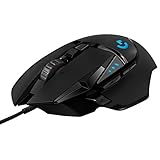
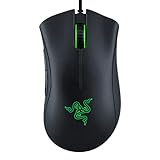
This guide walks through where input lag actually comes from and how to attack it at every stage of the chain, from your peripherals to your monitor to your in-game settings. Most of these fixes are free, and the ones that aren’t are inexpensive upgrades with outsized impact. The low-latency gaming mice below are exactly the kind of hardware that cuts delay right at the source.
As an Amazon Associate we earn from qualifying purchases at no extra cost to you. Product prices and availability are accurate as of the date shown and are subject to change.



⚡ Save on Your Next PC — Amazon Prime
Prime members get fast free shipping on the systems above, plus early access to Prime Day & Black Friday PC deals. New members get a 30-day free trial.
Watch: How to Reduce Input Lag in Games — Video Review
Start With a Fast, Responsive Mouse
Your mouse is the first link in the chain, so latency starts here. A quality gaming mouse with a high polling rate and a modern sensor reports your movement to the PC far more frequently and consistently than a generic office mouse. Wired options like the Logitech G502 Hero or Razer Basilisk V3 offer rock-solid response, while modern wireless models like the Logitech G305 Lightspeed and the Razer Basilisk V3 X HyperSpeed have closed the gap to the point that wireless is no longer a latency handicap. Pick one built for gaming and you eliminate delay at the source.
Raise Your Frame Rate and Cap It Smartly
Higher frame rates directly reduce input lag, because each new frame carries the freshest picture of the game state, and more frames per second means less waiting between them. Push settings to hit a high, stable frame rate rather than maxing visuals at a lower one. Then cap your frame rate a few frames below your monitor’s refresh ceiling; this keeps the GPU from maxing out, which paradoxically lowers latency and keeps adaptive sync working cleanly. It’s a counterintuitive but well-proven trick.
Fix Your Display Settings
- Turn on Game Mode on your monitor to bypass image-processing that adds delay.
- Use a high-refresh panel; a 144Hz screen shows new frames more than twice as often as 60Hz, cutting perceived lag.
- Disable V-Sync in most competitive games and rely on FreeSync or G-SYNC instead, since traditional V-Sync adds noticeable latency.
- Avoid heavy post-processing and motion-smoothing features that buffer frames before display.
Enable Low-Latency Modes in Your GPU Driver
Both major GPU vendors ship latency-reduction technology built right into their drivers. NVIDIA Reflex (in supported games) and the low-latency mode in the driver control panel, along with AMD’s equivalent, reduce the render queue so frames spend less time waiting to be displayed. Turn these on for competitive titles. They’re free, they’re a couple of clicks, and in fast shooters the reduction in system latency is genuinely measurable rather than placebo.
Clean Up the Rest of the Chain
Small background factors add up. Plug your mouse into a direct USB port rather than a hub, use a wired or strong 2.4GHz connection, and set your mouse polling rate to 1000Hz or higher. Close background apps that hog the CPU, keep your GPU drivers current, and make sure Windows is set to a high-performance power plan. None of these alone is dramatic, but together they trim the last few milliseconds and, just as importantly, make your latency consistent from shot to shot.
Tips
- Cap your frame rate a few frames under your refresh rate to keep the GPU from saturating and adding latency.
- Set your gaming mouse to a 1000Hz-plus polling rate in its software for the most frequent position updates.
- Enable NVIDIA Reflex or the AMD equivalent in every competitive game that supports it.
- Use your monitor’s Game Mode and switch off any dynamic contrast or motion-smoothing image processing.
Frequently Asked Questions
Does wireless add too much input lag for gaming?
Not anymore. Modern low-latency wireless like Logitech Lightspeed and Razer HyperSpeed is effectively indistinguishable from wired for the vast majority of players. Old Bluetooth mice are a different story, so stick to dedicated gaming wireless.
Will a higher refresh rate monitor reduce input lag?
Yes. A high-refresh panel updates the image more often, so new frames reach your eyes sooner. Combined with a high frame rate, moving from 60Hz to 144Hz noticeably reduces perceived delay.
Is capping my frame rate really helpful?
It can be. Capping a few frames below your refresh rate stops the GPU from hitting 100 percent load, which reduces the render queue and keeps latency low and consistent, especially with adaptive sync on.
Does V-Sync cause input lag?
Traditional V-Sync often adds noticeable latency by buffering frames. For competitive play, turn it off and use FreeSync or G-SYNC with a capped frame rate to avoid tearing without the lag penalty.
Conclusion
Input lag isn’t one big problem; it’s a dozen small ones stacked on top of each other, and the good news is you can chip away at nearly all of them for free. Start with a responsive gaming mouse, push and cap your frame rate wisely, tune your display, and switch on driver-level latency reduction. Do those and your setup will feel sharper and more direct, with the mice above giving you a fast, consistent foundation to build on.