Key takeaways
- Shopping for the best gaming headsets for comfort? Compare ear cushion material, weight, clamping force and fit so long sessions stay easy on your head.
As an Amazon Associate we earn from qualifying purchases.
A headset can sound superb and still be the wrong buy if it hurts after an hour. Comfort decides whether you keep a headset on through a long raid, a full evening of ranked matches, or a workday of calls, and it depends on things no sound demo can show you: how hard the earcups press, how heavy the frame feels on the crown of your head, and how hot the cushions get. This guide walks through those fit details so you can judge a listing before the box arrives.
Marathon PC players, console gamers who settle in for the evening, streamers who talk for hours, and anyone who wears glasses will get the most from the checks below. Each section points at a detail you can confirm from the name and specifications printed on the Amazon product page — cushion material, listed weight, driver size, connection type, and battery life — so the fit you are buying is spelled out in the listing rather than left to guesswork.
How to Choose
Ear Cushion Material and Depth
The cushion is the part of a headset your skin actually meets, so its material sets the tone for every session. Memory foam moulds around the ear and spreads pressure, while plush fabric or velour lets air move and stays cooler. Leatherette seals sound in and wipes clean, yet it traps heat and can turn sticky after an hour or two. Depth matters as much as material: shallow cups press the driver housing against the ear, and deep cups leave room so nothing touches. A listing that names the cushion material and cup depth gives you something concrete to compare, and replaceable cushions are a longer-term bet, since worn pads can be swapped instead of forcing a whole new purchase.
Weight and How It Sits on Your Head
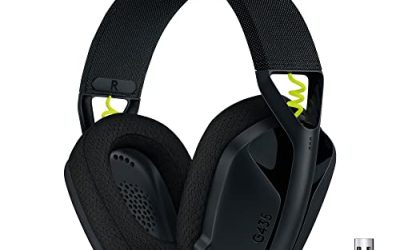
Grams add up across an evening, and a headset that feels fine for ten minutes can drag by hour three. Most comfortable over-ear gaming headsets sit near the lighter end of the scale, and the listing usually prints the weight in the specifications, so compare that figure first. Balance counts too: a frame that spreads its weight across a wide, padded headband presses less on one spot than a narrow band carrying the same grams. Suspension-style bands, like the ski-goggle strap on the SteelSeries Arctis Nova line, hang the cups from an elastic strap and take pressure off the crown. If a listing gives no weight at all, treat that silence as a warning sign and keep looking.
Clamping Force and Fit Range
Clamping force is the squeeze the headband puts on the sides of your head. Too much pressure aches at the temples and jaw, while too little lets the cups slide. No listing prints a clamping-force number, so you have to read the design instead: a steel or metal-core headband with a wide adjustment range can be eased open a little, and earcups that swivel and tilt settle against the head instead of pressing on one edge. Head size matters as well — a frame that fits a small head may pinch a larger one. Look for an adjustable headband, pivoting cups, and a fit range the listing describes, then give any headset an evening at home before deciding it fits.
Wired, Wireless and Battery Trade-offs
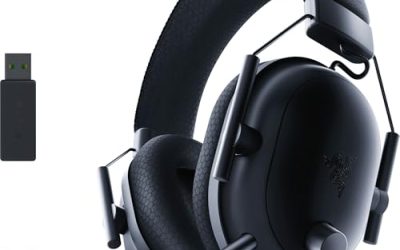
A cable adds a small tug that grows more noticeable the longer you play, while wireless frees your head at the cost of battery weight and a charging routine. If you go wireless, the battery figure printed in the listing is a comfort detail: a headset rated for a full day of play needs charging less often, so it spends more time on your head than tethered to a cable. Many wireless models pair over Bluetooth as well as a low-latency 2.4GHz dongle, so one headset can cover a PC, a console, and a phone. A detachable microphone deserves attention, since a boom that comes off turns a gaming headset into a pair of headphones for music and calls.
How Comfort Is Built Into a Headset
Comfort is not one feature but a stack of small design choices that add up over a long session. The headband sets the base: a wide band with thick padding spreads the frame’s weight across the crown, while a narrow band concentrates it in one strip and leaves a sore line after an hour. Suspension bands take this further by hanging the cups from an elastic strap, so the rigid frame barely touches your head at all. Earcup design comes next — cups that swivel and tilt settle flat against the head instead of pressing on one edge, and a yoke that lets the cups rotate makes the headset easier to rest around your neck between matches. The ear cushions finish the job: memory foam moulds around the ear and the arms of glasses, fabric breathes through warm rooms, and deep cups keep the driver housing away from the ear itself. When you read a listing, check these four details in order — headband, suspension, cup movement, cushion depth — because a headset that gets all four right stays comfortable long after one that only gets the sound right has started to ache. A listing that prints the weight, names the cushion material, and describes the headband gives you all four checks in one place, so favour listings that spell the build out instead of hiding behind vague comfort claims.
Weight distribution deserves its own look, because two headsets can print the same weight and feel very different after an hour. A frame that hangs its weight from a wide strap or a padded band spreads the load, while a frame that balances on a thin strip presses one line into the crown of your head. Battery placement matters on wireless models too: a cell tucked into one cup can pull that side down, so check whether the listing describes a balanced layout or a single-sided battery. Finally, remember that comfort changes with the room — a headset that feels fine in a cool room can turn hot and sticky in summer, which is why breathable cushions and a frame that lets air move around the ears earn their place on the checklist alongside weight and clamping force.
Which One Fits Your Situation
You Play for Four Hours or More at a Stretch
Long sessions punish every extra gram and every hard edge, so start with the lightest frame you can find and check the cushion material in the listing. Breathable fabric cushions stay cooler than sealed leatherette through a marathon, and a suspension headband spreads the weight so no single spot takes the load. The SteelSeries Arctis Nova line is built around that idea, with a ski-goggle style strap and long battery life on the listing.
You Wear Glasses While You Play
Glasses arms create pressure wherever a cushion presses them against your head, so soft memory foam and a gentle clamp matter more than anything else here. Deep cups with padding can settle around the arms instead of squeezing them, and fabric cushions give more than stiff leatherette. The HyperX Cloud II is a reference point: its listing describes memory foam ear pads, a durable aluminum frame, and a detachable microphone, a build that leaves room for glasses.
You Switch Between PC, Console and Phone
One headset can cover every screen if the listing shows the right connections, so check for both a 2.4GHz wireless dongle and Bluetooth before you buy. The dongle keeps game audio lag low on a PC or console, while Bluetooth handles a phone or handheld without swapping hardware. The Arctis Nova 7 listing describes simultaneous 2.4GHz and Bluetooth on the same headset, which is the mix multi-platform players should look for.
You Want One Headset for Games and Work Calls
When one headset has to carry evening matches and daytime video calls, the microphone earns as much attention as the earcups. A detachable boom mic keeps your voice clear in games and comes off when you only want music, while mic monitoring lets you hear your own voice so you stop shouting without realising it. Soft cushions and a light frame matter too, since the headset may stay on for most of the day.
Common Mistakes
- Judging comfort from driver size alone — a large driver says nothing about clamping force, cushion depth, or weight, so a headset with impressive sound can still ache after an hour. Sound quality and fit are separate checks, and the listing gives you both if you read the specifications instead of the headline.
- Skipping the weight figure — when a listing hides the weight, the frame is often heavier than you would like, and a few dozen extra grams turn into neck strain by the end of a long session. Compare the printed weight across shortlisted models before you look at anything else.
- Choosing sealed leatherette when you run hot — leatherette traps warmth and sweat against the skin, so players in warm rooms or anyone who plays for hours usually fares better with breathable fabric cushions that let air move through the cups.
- Assuming one size fits every head — a frame that suits a smaller head can pinch a larger one, and a loose frame slides around on a smaller head. Check the adjustment range in the listing and give any new headset a full evening at home before you decide it fits.
- Forgetting the microphone and cable — a fixed boom mic and a short, stiff cable get in the way every single day, long after the novelty of the sound wears off. Look for a detachable microphone and a cable long enough to reach your PC without pulling on the cups.
Frequently Asked Questions
How heavy should a comfortable gaming headset be?
Most players find headsets under roughly 300 grams easy to wear for hours, though balance matters as much as the number on the scale. A wide, padded headband spreads the load, and a suspension strap takes pressure off the crown, so a well-balanced headset can feel lighter than a heavier-looking one. Always check the weight printed in the listing before you buy.
Are memory foam ear cushions better than leatherette?
Memory foam wins for comfort because it moulds around the ear and spreads pressure, while leatherette seals in sound and wipes clean but traps heat. Fabric or velour cushions sit in the middle, breathing better through long sessions at the cost of some sound isolation. If you run hot or play for hours, breathable cushions are the safer pick; if you prize isolation and cleaning, leatherette still has a place.
Do wireless headsets feel heavier than wired ones?
Often, yes, because the battery adds weight that a wired frame does not carry, and the difference shows up over a long evening. That said, many wireless models balance the battery well and pair it with a padded or suspension headband, so the extra grams spread evenly instead of pressing on one spot. Check the listed weight and the headband design together rather than ruling wireless out on weight alone.
Can a gaming headset stay comfortable if I wear glasses?
Yes, if the cushions are soft and deep enough to settle around your frames instead of pressing them into your head. Memory foam works well here because it gives way around the arms, and a gentle clamping force keeps the pressure low. Try the headset on with your own glasses for a session before deciding, and favour models with replaceable cushions so you can swap pads when they wear down.
FAQ
How heavy should a comfortable gaming headset be?
Are memory foam ear cushions better than leatherette?
Do wireless headsets feel heavier than wired ones?
Can a gaming headset stay comfortable if I wear glasses?
More from Amazon
Programs that pair well with the guide above. Offers and eligibility are set by Amazon and may change.
Free shipping on eligible items, Prime Video and more. Eligible new members can start with a free trial.
Start a Prime free trialAd-free music streaming. Eligible new subscribers can start with a free trial.
Try Music Unlimited freeA Prime membership for ages 18-24 with a trial period. Eligibility is set by Amazon.
See Prime for Young AdultsAudiobooks and podcasts to listen to on the go. Eligible new members can start with a free trial.
Try Audible freeAs an Amazon Associate we earn from qualifying purchases.