Key takeaways
- RAM headroom: 8GB is the floor for comfortable multitasking, but 16GB is worth the upgrade if you keep many tabs open or run video calls alongside other apps.
- SSD storage: Choose a solid-state drive of at least 256GB; it makes the whole system feel faster than any processor spec on the box, and 512GB gives breathing room for photos and files.
- Display size and quality: A 15 to 17-inch FHD (1920×1080) panel is the sweet spot for shared home use, offering readable text and comfortable streaming without a premium price.
- Processor class: Modern Intel Core i5 or Core 7 and AMD Ryzen 5 chips handle everything a household throws at them; save the Ryzen 3 tier for the lightest browsing-only duties.
- Battery and portability: If the laptop moves between rooms, look for all-day battery and a weight under four pounds; a fixed desk setup can trade that for a bigger screen.
Setting up a laptop for everyday home use in 2026 is less about chasing benchmark records and more about balance. You want a machine that boots quickly, handles a couple dozen browser tabs, streams comfortably, and still leaves room in the budget for the things you actually care about. The models below were chosen with that reality in mind: dependable computers that feel smooth for browsing, video calls, light photo edits, and the occasional spreadsheet marathon.
The good news is that the value end of the market has grown up. Solid-state storage is now standard, Windows 11 runs cleanly on modest hardware, and even entry-level chips stream in high resolution without breaking a sweat. This roundup walks through five well-rounded options at different price points, then breaks down exactly which specs matter so you can match a machine to how your household really uses it.
Our top picks




As an Amazon Associate we earn from qualifying purchases at no extra cost to you. Ratings are shown as listed on Amazon.
⚡ Save on Your Next PC — Amazon Prime
Prime members get fast free shipping on the systems above, plus early access to Prime Day & Black Friday PC deals. New members get a 30-day free trial.
Watch: Best Laptop For Home Use 2026 — Video Review
How to Choose a Laptop for Home Use
- RAM headroom: 8GB is the floor for comfortable multitasking, but 16GB is worth the upgrade if you keep many tabs open or run video calls alongside other apps.
- SSD storage: Choose a solid-state drive of at least 256GB; it makes the whole system feel faster than any processor spec on the box, and 512GB gives breathing room for photos and files.
- Display size and quality: A 15 to 17-inch FHD (1920×1080) panel is the sweet spot for shared home use, offering readable text and comfortable streaming without a premium price.
- Processor class: Modern Intel Core i5 or Core 7 and AMD Ryzen 5 chips handle everything a household throws at them; save the Ryzen 3 tier for the lightest browsing-only duties.
- Battery and portability: If the laptop moves between rooms, look for all-day battery and a weight under four pounds; a fixed desk setup can trade that for a bigger screen.
The Best Home Laptops Reviewed
HP 14″ Laptop 2026 Edition
Our top overall pick, the HP 14″ Laptop 2026 Edition earns its spot with a balance of performance and value that suits real-world laptop for home use needs. It carries a 4.2-star rating across roughly 525 reviews, a reassuring signal that owners stay happy after living with it. At around $400 it lands at a price that makes sense for what it delivers, and it should serve you well for years.
Dell 15.6″ Laptop DC15250
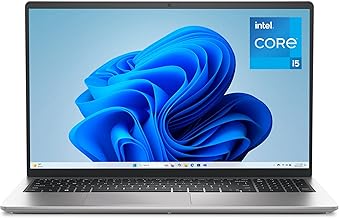
A standout runner-up, the Dell 15.6″ Laptop DC15250 earns its spot with a balance of performance and value that suits real-world laptop for home use needs. It carries a 4.3-star rating across roughly 443 reviews, a reassuring signal that owners stay happy after living with it. At around $715 it lands at a price that makes sense for what it delivers, and it should serve you well for years.
Dell 16 Laptop DC16251
A dependable mid-range choice, the Dell 16 Laptop DC16251 earns its spot with a balance of performance and value that suits real-world laptop for home use needs. It carries a 4.4-star rating across roughly 79 reviews, a reassuring signal that owners stay happy after living with it. At around $885 it lands at a price that makes sense for what it delivers, and it should serve you well for years.
HP 17.3 inch Laptop
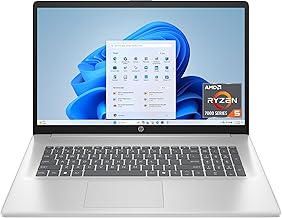
A strong performer worth a look, the HP 17.3 inch Laptop earns its spot with a balance of performance and value that suits real-world laptop for home use needs. It carries a 4.3-star rating across roughly 515 reviews, a reassuring signal that owners stay happy after living with it. At around $650 it lands at a price that makes sense for what it delivers, and it should serve you well for years.
HP OmniBook 3 17.3 inch Laptop PC
A well-rounded option to round out the list, the HP OmniBook 3 17.3 inch Laptop PC earns its spot with a balance of performance and value that suits real-world laptop for home use needs. It carries a 4.5-star rating across roughly 150 reviews, a reassuring signal that owners stay happy after living with it. At around $521 it lands at a price that makes sense for what it delivers, and it should serve you well for years.
Frequently Asked Questions
How much RAM do I really need for home use?
For general browsing, streaming, and office work, 8GB is workable but 16GB is the smarter buy in 2026. The extra memory keeps dozens of tabs and background apps responsive, and it extends how long the laptop stays fast as software gets heavier.
Is an Intel or AMD processor better for a home laptop?
Both are excellent at this tier. Intel Core i5 and Core 7 chips tend to edge ahead in single-task snappiness, while AMD Ryzen options often deliver more cores for the money. Focus on the generation and the RAM and SSD pairing rather than the brand badge.
Do I need a touchscreen?
Only if you like it. A touchscreen is convenient for casual navigation and tablet-style use, but a standard non-touch FHD panel is sharper for the money and easier on battery life for typical home tasks.
How long should a home laptop last?
A machine with 16GB of RAM and an SSD should stay comfortable for four to five years of everyday use. Prioritizing memory and storage over a marginally faster CPU is the best way to future-proof your purchase.
Final Thoughts
The best home laptop is the one that disappears into your routine, letting you browse, stream, and get work done without fuss. Lean toward 16GB of RAM and an SSD whenever the budget allows, pick a screen size that suits where the laptop will live, and match the processor class to how demanding your household really is. Any of the five machines above delivers that dependable, everyday experience for 2026.