Key takeaways
- Radiator size: A 240mm radiator suits mainstream chips, while 360mm units are the safer choice for flagship, high-wattage processors and overclocking headroom.
- Pump and block quality: A reliable pump and a well-machined cold plate matter more than flashy features; look for direct motherboard connection or proven pump designs.
- Display and lighting: Screens and ARGB add personality but also cost and cabling; decide whether an IPS or LCD readout genuinely earns its place in your build.
- Fan acoustics: Bundled fans define the noise floor, so favor coolers with high-quality static-pressure fans tuned for radiators rather than generic spinners.
- Case fitment: Verify your chassis supports the radiator length at the top or front, including clearance for RAM height and any nearby components.
What's inside
All-in-one liquid coolers have gone mainstream, and for good reason. A sealed AIO delivers the thermal performance of custom water cooling without the maintenance, moving heat from a high-core-count CPU straight to a radiator where quiet fans can exhaust it. For 2026 builds packing the latest AMD Ryzen and Intel Core Ultra chips, a well-chosen AIO keeps clocks high and acoustics low.
The market now spans no-nonsense 240mm and 360mm coolers, premium units with crisp LCD or IPS displays, and quiet-focused designs from acoustic specialists. This guide highlights the AIO liquid coolers that stand out in 2026, so you can pick the radiator size, pump, and features that fit your case and your CPU’s appetite for power.
As an Amazon Associate we earn from qualifying purchases at no extra cost to you. Product prices and availability are accurate as of the date shown and are subject to change.


⚡ Save on Your Next PC — Amazon Prime
Prime members get fast free shipping on the systems above, plus early access to Prime Day & Black Friday PC deals. New members get a 30-day free trial.
Watch: Best AIO Cooler 2026 — Video Review
How to Choose an AIO Cooler
- Radiator size: A 240mm radiator suits mainstream chips, while 360mm units are the safer choice for flagship, high-wattage processors and overclocking headroom.
- Pump and block quality: A reliable pump and a well-machined cold plate matter more than flashy features; look for direct motherboard connection or proven pump designs.
- Display and lighting: Screens and ARGB add personality but also cost and cabling; decide whether an IPS or LCD readout genuinely earns its place in your build.
- Fan acoustics: Bundled fans define the noise floor, so favor coolers with high-quality static-pressure fans tuned for radiators rather than generic spinners.
- Case fitment: Verify your chassis supports the radiator length at the top or front, including clearance for RAM height and any nearby components.
The Best AIO Coolers Reviewed
ARCTIC Liquid Freezer III Pro 360
The Liquid Freezer III Pro 360 continues Arctic’s reputation for outclassing pricier rivals. Its thick radiator, integrated VRM fan, and three 120mm fans deliver exceptional cooling per dollar, making it the default recommendation for anyone who values raw performance over screens.
ASUS ROG RYUJIN III 360 ARGB Extreme
ROG’s flagship AIO is built for showcase rigs, ready for AMD Ryzen 9000 and Intel Core Ultra chips out of the box. Beyond its premium pump and display, the Extreme variant bundles high-end fans that keep even overclocked flagships firmly in check.
Thermalright Peerless Vision 360 ARGB
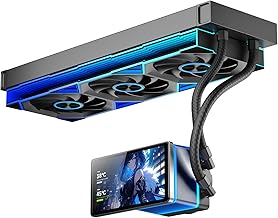
Thermalright brings its value pedigree to liquid cooling with the Peerless Vision 360, headlined by a 3.95-inch IPS screen. It undercuts big-brand display coolers dramatically while still delivering the strong thermals the company is known for.
CORSAIR Nautilus 360 RS
The non-ARGB Nautilus 360 RS focuses on clean looks and low noise, using a direct motherboard connection to cut cable clutter and simplify daisy-chaining. It is a tidy, dependable 360mm option for builders who want performance without lighting theatrics.
Noctua NL-LC1-36
Noctua’s first AIO arrives with a 30mm slim radiator and the industry-leading quiet operation the brand made its name on. It is the pick for silence-obsessed builders who want liquid cooling that stays imperceptible even under sustained load.
Frequently Asked Questions
How long does an AIO cooler last?
Modern sealed AIOs are rated for many years of continuous use, typically five to seven or more. There is no refilling required; the loop is designed to remain maintenance-free for the life of the unit.
Is a 360mm AIO worth it over 240mm?
For flagship CPUs, heavy multithreaded work, or overclocking, the extra radiator area of a 360mm unit provides meaningful thermal headroom and lower noise. Mainstream chips are often perfectly happy on a quality 240mm.
Do AIO coolers leak?
Leaks are rare in reputable sealed units, which undergo factory pressure testing. Buying from established brands and mounting the radiator with tubes positioned correctly further reduces any long-term risk.
Can I mount the radiator anywhere?
Top and front mounting are both common. Many manufacturers recommend orienting the tubes so the pump sits below the top of the radiator to keep any air away from the pump for the quietest operation.
Final Thoughts
An AIO liquid cooler is the sweet spot between simplicity and serious cooling for a 2026 build. The Arctic Liquid Freezer III Pro 360 leads on value and raw thermals, the ASUS ROG Ryujin III caters to flagship showcase rigs, and Noctua’s debut AIO answers the call for near-silent operation. Decide on radiator size first, weigh whether a display earns its keep, and confirm your case clearance before buying to land the cooler that fits both your CPU and your aesthetic.