Key takeaways
- Core and thread count: Six to eight fast cores is the sweet spot for pure gaming, while streamers and creators benefit from twelve or more threads for background encoding.
- Cache and gaming architecture: Large L3 cache, like AMD’s 3D V-Cache, delivers outsized gains in CPU-bound titles and 1080p competitive play.
- Platform and socket longevity: AM5 promises years of upgrade room, whereas an LGA1700 board may cap your next generation of chips, so weigh the whole platform cost.
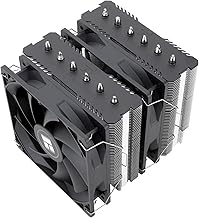
- Cooling and power draw: High-clock parts run hot, so budget for a capable air or liquid cooler and a PSU with headroom for transient spikes.
- Prebuilt versus DIY: A tuned prebuilt saves time and guarantees compatibility, while building yourself lets you spend more where it matters for frames.
What's inside
Choosing the right processor in 2026 is the single biggest decision that shapes how your games feel frame to frame. Modern titles lean on fast single-core performance and large caches, and that is exactly where this year’s chips have pulled ahead. Whether you are chasing 240Hz esports numbers or a smooth 4K experience, the CPU sets the ceiling your graphics card can actually reach.
We compared the leading gaming processors on real-world frame rates, thermals, platform longevity, and price so you do not have to wade through spec sheets. From AMD’s cache-heavy X3D parts to Intel’s high-clock hybrids and ready-to-play prebuilts, the picks below cover every budget and use case for 2026.
As an Amazon Associate we earn from qualifying purchases at no extra cost to you. Product prices and availability are accurate as of the date shown and are subject to change.


⚡ Save on Your Next PC — Amazon Prime
Prime members get fast free shipping on the systems above, plus early access to Prime Day & Black Friday PC deals. New members get a 30-day free trial.
Watch: Best CPU For Gaming 2026 — Video Review
How to Choose a Gaming CPU
- Core and thread count: Six to eight fast cores is the sweet spot for pure gaming, while streamers and creators benefit from twelve or more threads for background encoding.
- Cache and gaming architecture: Large L3 cache, like AMD’s 3D V-Cache, delivers outsized gains in CPU-bound titles and 1080p competitive play.
- Platform and socket longevity: AM5 promises years of upgrade room, whereas an LGA1700 board may cap your next generation of chips, so weigh the whole platform cost.
- Cooling and power draw: High-clock parts run hot, so budget for a capable air or liquid cooler and a PSU with headroom for transient spikes.
- Prebuilt versus DIY: A tuned prebuilt saves time and guarantees compatibility, while building yourself lets you spend more where it matters for frames.
The Best Gaming CPUs Reviewed
AMD Ryzen 7 9800X3D
The 9800X3D is the current gaming champion, pairing eight Zen 5 cores with a second-generation 3D V-Cache that keeps minimums high in the most demanding open-world engines. It runs cooler than previous X3D chips and overclocks, making it the enthusiast default for high-refresh play.
AMD Ryzen 7 7800X3D
Still a phenomenal value, the 7800X3D delivers near-flagship frame rates at a lower price and on the mature AM5 platform. Its low power draw and stellar 1% lows make it the smart buy for gamers who do not need the absolute newest silicon.
Intel Core i9-14900KF
With 24 cores and clocks that stretch past 6GHz, the 14900KF is a monster for players who also render, stream, or multitask heavily. It demands strong cooling but rewards you with top-tier performance across both games and productivity.
Intel Core i5-14600KF
The 14600KF is the mainstream sweet spot, blending six performance cores with eight efficient cores for excellent frames per dollar. It is the easiest recommendation for a balanced 1440p build that will not bottleneck a modern GPU.
iBUYPOWER Element Ryzen 9 7900X Prebuilt
For those who would rather skip assembly, this iBUYPOWER Element pairs a Ryzen 9 7900X with an RTX 5070-class GPU in a ready-to-run system. It is a strong shortcut to a capable 2026 gaming rig with warranty support baked in.
Frequently Asked Questions
Does an X3D CPU really help in gaming?
Yes. The stacked cache dramatically boosts performance in CPU-bound titles and simulation-heavy games, often adding double-digit frame-rate gains at competitive resolutions.
Do I need an i9 for gaming?
Not for gaming alone. An i5-14600KF or Ryzen 7 handles high-refresh play beautifully; an i9 only pays off if you also stream, edit, or run heavy multitasking workloads.
How much does the CPU matter versus the GPU?
At 4K the GPU usually leads, but at 1080p and 1440p high-refresh the CPU becomes the limiting factor, which is why a fast processor matters for esports.
Will these CPUs need a new motherboard?
AMD’s chips use AM5 boards and Intel’s use LGA1700; always confirm your motherboard socket and update the BIOS before installing a new-generation processor.
Final Thoughts
For most players in 2026, the Ryzen 7 9800X3D is the frame-rate king and the safest high-end pick, while the 7800X3D and i5-14600KF offer outstanding value for balanced builds. If you multitask heavily the 14900KF is worth the extra heat, and a prebuilt like the iBUYPOWER Element gets you gaming without touching a screwdriver. Match the chip to your resolution and workload and you will not be disappointed.