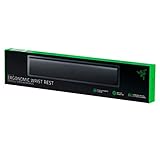
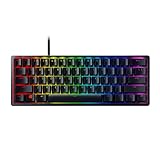
Our Top Picks
 Razer BlackWidow V4 Pro 75% Wireless Gaming Keyboard14.92 x 8.86 x 3.03 inches3.4 PoundsCheck on Amazon
 Razer Joro Wireless Gaming Keyboard1 Count (Pack Of 1)12.48 x 5.2 x 1.54 Inches1.54 poundsCheck on Amazon
 Razer BlackWidow V4 Low Profile TKL HyperSpeed Wireless5.48"L x 14.07"W x 1.12"H5.48 x 14.07 x 1.12 inchesCheck on Amazon
 Razer DeathStalker V2 Pro Wireless Gaming Keyboard: LowDeathStalker V2 Pro17.22 x 5.52 x 1.1 inches2.27 poundsCheck on Amazon
The best Razer wireless keyboard for most players is the BlackWidow V4 Pro 75%: it is a compact, tri-mode board with Razer’s Orange tactile switches, a clickable command dial, an OLED display, a plush wrist rest, and enough wireless flexibility to move between a gaming PC, a laptop, and a tablet. If you want a thinner board, the BlackWidow V4 Low Profile TKL HyperSpeed delivers a lower typing height and a full-size layout without the numpad. For travel and small desks the Razer Joro is the most portable option, and for an office or shared space the Pro Type Ultra offers silent linear switches and an ergonomic design. The one wired board on this list, the Ornata V3, is included because it appears in the category, but it is not wireless. Read on for a full comparison of all eight, and a guide to switches, layouts, connection modes, and battery life.
Top 3 Picks
Best overall: Razer BlackWidow V4 Pro 75%. It combines a compact 75% layout, hot-swappable Orange tactile switches, 2.4GHz and Bluetooth connectivity, an OLED display, and a command dial. It suits gamers who want a wireless board with premium features and a small desk footprint.

Razer BlackWidow V4 TKL Wireless Gaming Keyboard, Orange Switches
Included for 'Best Razer Wireless Keyboard in 2026' because the listing specifies Orange Switches, details this guide uses to compare options.
View on Amazon
Razer BlackWidow V4 Low Profile HyperSpeed Wireless Gaming Keyboard
Included for 'Best Razer Wireless Keyboard in 2026' as a relevant option in this category; details come from the product listing.
View on AmazonRazer BlackWidow V4 Pro 75% Wireless Gaming Keyboard, Orange Switches
Included for 'Best Razer Wireless Keyboard in 2026' because the listing specifies Orange Switches, details this guide uses to compare options.
View on AmazonRazer Joro Wireless Gaming Keyboard, Portable Compact 75%, Low Profile Keys
Included for 'Best Razer Wireless Keyboard in 2026' because the listing specifies Portable Compact 75% and Low Profile Keys, details this guide uses to compare options.
View on AmazonRazer BlackWidow V4 Low Profile TKL HyperSpeed Wireless Gaming Keyboard: Orange Mechanical Switches - 2.4GHz Wireless & Bluetooth - Multi-Function Roller - 3 Control Buttons - Long Battery Life
Included for 'Best Razer Wireless Keyboard in 2026' because the listing specifies 2.4GHz Wireless & Bluetooth and Multi-Function Roller, details this guide uses to compare options.
View on AmazonRazer DeathStalker V2 Pro Wireless Gaming Keyboard: Low Profile Optical Switches Clicky Purple - HyperSpeed Wireless & Bluetooth - Chroma RGB - Up to 200 Hr Battery - Snap Tap
Included for 'Best Razer Wireless Keyboard in 2026' because the listing specifies HyperSpeed Wireless & Bluetooth and Chroma RGB, details this guide uses to compare options.
View on Amazon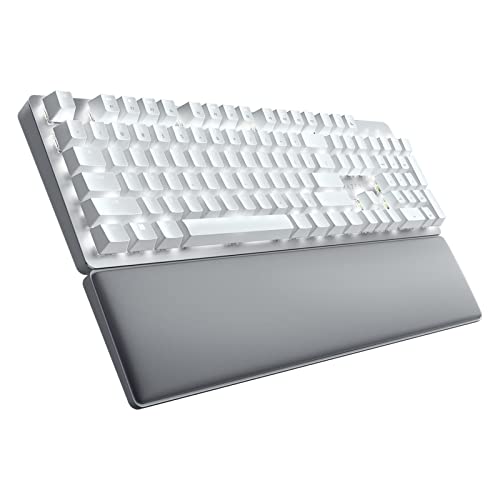
Razer Pro Type Ultra Wireless Mechanical Keyboard: Silent, Linear Switches - Ergonomic Design - HyperSpeed Technology - Connect up to 4 Devices - Fully Programmable Keys & Smart Controls
Included for 'Best Razer Wireless Keyboard in 2026' because the listing specifies Linear Switches and Ergonomic Design, details this guide uses to compare options.
View on Amazon
Razer Ornata V3 Gaming Keyboard, Low-Profile Keys, Black
Included for 'Best Razer Wireless Keyboard in 2026' because the listing specifies Low-Profile Keys and Black, details this guide uses to compare options.
View on AmazonBest value for a wireless Razer board: Razer BlackWidow V4 TKL Wireless. It keeps the familiar BlackWidow feel with Orange tactile switches in a tenkeyless layout, and skips some of the premium extras found on the Pro model. It is a sensible choice for players who want classic Razer typing without paying for features they will not use.
Best for work and play: Razer Pro Type Ultra. Silent linear switches, an ergonomic design, and multi-device connectivity make it the quietest and most office-friendly board here, while still being capable for gaming.
Quick Comparison
| Product | Best for | Key specs |
|---|---|---|
| Razer BlackWidow V4 TKL Wireless | Classic wireless TKL gaming | Tenkeyless, wireless, Orange tactile switches |
| Razer BlackWidow V4 Low Profile HyperSpeed | Slim wireless board with a roller | Low-profile switches, HyperSpeed 2.4GHz wireless, Bluetooth, multi-function roller |
| Razer BlackWidow V4 Pro 75% | Feature-rich compact flagship | 75% layout, Orange tactile, hot-swappable, OLED, command dial, wrist rest |
| Razer Joro | Portable and travel use | Compact 75%, low-profile keys, wireless, aluminum top |
| Razer BlackWidow V4 Low Profile TKL HyperSpeed | Slim tenkeyless gaming | Low-profile, Orange mechanical switches, 2.4GHz and Bluetooth |
| Razer DeathStalker V2 Pro | Low-profile optical clicks | Low-profile optical switches (clicky Purple), HyperSpeed and Bluetooth, Chroma RGB |
| Razer Pro Type Ultra | Quiet office and productivity | Silent linear mechanical switches, ergonomic design, HyperSpeed, multi-device |
| Razer Ornata V3 | Wired low-profile alternative | Wired, low-profile keys, Chroma RGB |
How We Chose
This guide is a research-based comparison of the eight Razer keyboards in this category. We used manufacturer specifications, the details stated in each product listing, and published professional reviews of the same keyboard families. We did not run our own typing or latency tests, and we do not invent performance numbers. The criteria were layout and size, switch type and typing feel, connection options (2.4GHz wireless, Bluetooth, and wired), multi-device support, battery claims and how they are measured, build materials, extra controls such as dials and rollers, noise level, and suitability for different users from competitive players to office workers. Where listings differ in detail or where a spec is not stated in the product name, we describe the feature class and recommend confirming the exact configuration on the product page. One item, the Ornata V3, is a wired keyboard; we say so clearly in its section.
1. Razer BlackWidow V4 TKL Wireless – Best for Classic Wireless TKL Gaming
As an Amazon Associate we earn from qualifying purchases at no extra cost to you.

The BlackWidow V4 TKL Wireless brings the BlackWidow name to a tenkeyless, wireless board with Orange switches. Razer’s Orange switches are tactile and designed to be quieter than the clicky Green variety, with a noticeable bump at the actuation point that helps with typing accuracy. Dropping the number pad gives you more room on the desk for your mouse, and the wireless connection removes cable clutter.
It suits gamers and mixed-use typists who like the BlackWidow feel, want a full set of function keys and arrows without the numpad, and need a keyboard that works without a cable. Because the listing calls out only the key features, confirm details such as the wrist rest, dedicated media controls, and the exact connection modes on the product page.
- Layout: tenkeyless (TKL)
- Switches: Razer Orange tactile mechanical
- Connection: wireless (confirm 2.4GHz and Bluetooth support on the listing)
- Lighting: Razer Chroma RGB on the BlackWidow family
The strength is familiarity and a balanced feature set. The Orange switch is a good compromise for people who want tactile feedback without the loud click of a Green switch, which makes it workable in shared rooms. Compared with a full-size board, the TKL layout gives your mouse hand extra space, which matters in FPS games that call for wide swipes. The weaknesses are typical of a standard-height mechanical keyboard: the board is taller than the low-profile models in this list, and wrist comfort depends on whether a wrist rest is included.
When setting it up, use the 2.4GHz connection for gaming when you want the lowest latency, and use Bluetooth for a laptop or tablet when convenience matters more. Turn down the backlight brightness to preserve battery life, because lighting is usually the largest power draw on a wireless keyboard. Keep the dongle on a short extension cable or in a front-panel port, away from large metal objects, to maintain a strong signal.
Think about your desk before you buy. A standard-height board with a TKL layout typically sits comfortably on most desks, but if you use a keyboard tray, check whether the height leaves room for your wrists. A separate wrist rest, if not included, is inexpensive and can make a long session more comfortable.
One more consideration is software and profiles. Razer’s Synapse software lets you remap keys, record macros, and assign lighting effects, and on-board memory on many Razer boards stores a few profiles so your settings follow you to another PC. Before you buy, confirm that the profile and macro features you want are supported in wireless mode, and plan on a short setup session to move the lighting down to a comfortable level. A little customization goes a long way toward turning a good board into one that suits your own game and typing habits.
Pros
- Familiar BlackWidow typing feel with tactile Orange switches
- Compact tenkeyless layout leaves room for mouse movement
- Wireless freedom for a clean desk
- Quieter than clicky switch options
Cons
- Standard height may need a wrist rest for comfort
- Lacks some premium extras of the Pro model, such as a dial or display
- Lighting reduces battery life
Compared with the BlackWidow V4 Pro 75%, this board is simpler and larger: you get the TKL layout and the same family of switches, but you give up the compact 75% footprint, the OLED, and the command dial.
2. Razer BlackWidow V4 Low Profile HyperSpeed – Best for a Slim Wireless Board

This BlackWidow V4 variant uses Razer’s low-profile switches and HyperSpeed wireless, along with Bluetooth, in a thinner body than the standard BlackWidow V4. Published information on the low-profile line says it comes in full-size and tenkeyless versions; the name here does not say which one you are getting, so confirm the layout on the product page. The family also includes a clickable multi-function roller, extra control buttons, and a top case made from aluminum alloy.
It suits typists who like short key travel, people who struggle with wrist angle on taller boards, and gamers who want a slim keyboard that feels quick under the fingers. The low-profile design also makes it easier to use without a separate wrist rest.
- Switches: low-profile mechanical (tactile Orange, clicky Green, and linear Yellow variants exist in the line; confirm which one this listing uses)
- Connection: HyperSpeed 2.4GHz wireless and Bluetooth
- Controls: multi-function roller and additional buttons
- Build: aluminum top case on the low-profile family
The strength is the combination of a slim body and genuine mechanical switches. Low-profile switches reduce travel distance, which many players find faster for rapid taps, and the lower overall height can ease wrist strain. The weaknesses are that low-profile keycaps and switches feel different from standard ones, so custom keycap and switch swaps are limited, and the shallower travel may feel unfamiliar if you are used to taller boards. Razer rates battery life in a power-saving mode that assumes the lighting is off, so treat the quoted figure as a best case.
For setup, pair the keyboard with the 2.4GHz dongle for gaming and use the Bluetooth profiles for a laptop and a tablet. If the board offers a battery status button, check it before long sessions. Because the roller can adjust volume or other functions, take a few minutes to assign it to something you will actually use, such as volume or timeline scrubbing.
Switch choice matters more than it seems. A tactile switch provides a bump that helps you feel the actuation point, a clicky switch adds audible feedback, and a linear switch gives a smooth press. If you share a room, a quieter option will keep the peace. If you are unsure, tactile is a safe default.
It also helps to think about the keycaps and cleaning. Textured doubleshot keycaps resist the shine and wear that affect cheaper printed legends, but they still collect oils, so wipe them periodically with a slightly damp microfiber cloth. Avoid harsh solvents, and use compressed air to clear crumbs from between the switches. Because low-profile switches sit closer to the plate, debris can affect them sooner than on taller boards, so a quick monthly clean keeps the action feeling consistent over time.
Pros
- Slim body reduces wrist strain for many users
- Both 2.4GHz and Bluetooth connection options
- Useful multi-function roller
- Aluminum top case feels sturdy
Cons
- Low-profile switches limit keycap and switch customization
- Listing does not state layout, so confirm before buying
- Battery claims assume lighting off
Compared with the BlackWidow V4 Low Profile TKL HyperSpeed later in the list, this model may be a larger layout; the TKL version trades the number pad and macro keys for desk space.
3. Razer BlackWidow V4 Pro 75% – Best for a Feature-Rich Compact Flagship

The BlackWidow V4 Pro 75% is the most feature-packed keyboard in this guide. Razer describes it as a wireless, hot-swappable 75% board that ships with Orange tactile switches, a 2-inch OLED display, a command dial, per-key and underglow Chroma RGB lighting, and a magnetic plush leatherette wrist rest. It supports 2.4GHz wireless through the HyperPolling dongle and Bluetooth with multiple device profiles.
It suits enthusiasts and gamers who want a compact board without giving up features. The 75% layout keeps the function row and arrow keys but removes the number pad and tightens the spacing, which leaves a lot of mouse room. The command dial and OLED can show system information, volume, or custom animations.
- Layout: 75% with function row and arrow keys
- Switches: Orange tactile, hot-swappable (accepts common switch types)
- Connection: HyperSpeed 2.4GHz (dongle), Bluetooth, and wired USB-C
- Extras: OLED display, command dial, wrist rest, underglow
The main strength is that it offers features usually found only on custom keyboards, in a ready-to-use package. Hot-swap sockets let you change switches without soldering if you want a different feel later. Wireless performance is high-end, with polling up to 4,000Hz wirelessly according to retailer specifications. The weaknesses are bulk and battery claims: the board is thick, and Razer’s headline battery figure applies in a power-saving mode with lighting off. Reviewers report that with lighting on and high polling, you may need to charge it every couple of days.
To use it well, start by reading the lighting and polling settings in the software. Reduce brightness, turn off underglow when you do not need it, and use the faster polling setting only in games where you notice a benefit. Keep the dongle close and use the wired USB-C connection when you want to charge and play at the same time.
If you plan to swap switches, check compatibility notes on the product page first, and handle the sockets carefully to avoid bending pins. For most users, the stock Orange switches are a good starting point; try them for a few weeks before deciding whether to change.
A few buying cautions apply to feature-rich boards. The OLED and dial are fun, but they draw power and can distract during competitive play, so decide whether you want them on at all times. Hot-swap sockets save you from soldering, yet swapping switches repeatedly can loosen them, so treat that as a once-in-a-while upgrade. Finally, remember the board is thick and heavy compared with a travel keyboard, so it works best when it lives on a desk and moves only occasionally to a different room.
Pros
- Compact layout with a wealth of features
- Hot-swappable switches for future customization
- Bluetooth and fast 2.4GHz wireless in one board
- Wrist rest and OLED/command dial included
Cons
- Thick body compared with low-profile boards
- Real-world battery life is much shorter with lighting on
- Highest feature set means a higher tier of cost
Compared with the BlackWidow V4 TKL Wireless, you get a smaller footprint and many extra features; compared with the Joro, you get a mechanical switch feel and premium controls but lose the thin, travel-friendly body.
4. Razer Joro – Best for Portable Compact Typing

The Razer Joro is a portable 75% keyboard with low-profile keys, designed for laptops, tablets, handheld PCs, and small desks. Published specifications describe a thin aluminum-topped body of about 16.5 millimeters and a weight of roughly 374 grams, with Chroma RGB lighting and wireless connectivity. Reviewers note that its low-profile keys feel closer to a scissor mechanism than to a traditional mechanical switch, so set expectations accordingly.
It suits travelers, students, and anyone who works from multiple locations and wants a compact, light keyboard that still has a full function row and arrow keys. It is also a good second keyboard for a laptop dock.
- Layout: compact 75%
- Keys: ultra low-profile, short travel
- Connection: wireless with Bluetooth and wired USB-C charging
- Build: aluminum top, lightweight body
- Battery: Razer claims very long life in a power-saving mode with lighting off
The strengths are portability and a clean design. It slips into a laptop bag, takes up little space on a desk, and gives you a more comfortable typing position than a laptop keyboard. The weaknesses are typing feel and gaming suitability: low-profile scissor-style keys have shorter travel and a different bump than mechanical switches, and some reviewers find them less satisfying. As with all wireless keyboards, the headline battery life figure assumes the lighting is off. Independent reviewers report much shorter use with the backlight at moderate brightness.
A good way to use the Joro is as a travel and office keyboard that you also use for light gaming. For serious competitive play at home, a full mechanical board such as the BlackWidow V4 Pro is a better choice. If you do use it for games, test the key feel for your preferred genres before relying on it.
When you pack it, slide it into a sleeve to protect the aluminum top, and charge it regularly rather than letting it drain completely. Keep Bluetooth pairing steps handy, since you may need to re-pair when you change devices.
For travel, the Joro pairs well with a small mouse and a compact stand so that you can set up a laptop workspace quickly. Learn the function-layer shortcuts for volume, brightness, and lighting so that you do not have to open software on the road. If you plan to type long documents on it, spend a day adjusting your seat and screen height, since a flat, thin keyboard encourages good wrist posture only when the rest of the desk setup supports it.
Pros
- Very thin and light for travel
- 75% layout keeps the function row and arrows
- Wireless and easy to use with several devices
- Premium aluminum top
Cons
- Typing feel differs from mechanical switches
- Not ideal for serious competitive gaming
- Battery claims assume lighting off
Compared with the BlackWidow V4 Low Profile TKL HyperSpeed, the Joro is smaller and lighter but does not offer a true mechanical switch feel; choose the Joro for portability and the BlackWidow for gaming.
5. Razer BlackWidow V4 Low Profile TKL HyperSpeed – Best for Slim Tenkeyless Gaming

This is the tenkeyless member of the low-profile BlackWidow V4 family. According to its listing, it uses Orange mechanical switches and supports 2.4GHz wireless and Bluetooth, and it includes multi-function controls. Published information on the family describes a clickable roller, an aluminum top case, a front height of about 18.5 millimeters, doubleshot PBT keycaps, and onboard storage for profiles.
It suits players who want the thinnest wireless BlackWidow with a layout that leaves mouse room. The low-profile Orange switch has a lighter actuation force and a shorter actuation distance than the standard version, according to published specifications, which makes it quick for rapid inputs while still giving tactile feedback.
- Layout: tenkeyless
- Switches: low-profile Orange tactile mechanical
- Connection: HyperSpeed 2.4GHz and Bluetooth
- Controls: multi-function roller and a battery status button
- Battery: Razer rates up to several hundred hours in power-saving mode with lighting off
The main strength is the balance of speed, comfort, and layout. Low-profile boards reduce wrist extension, TKL saves desk space, and wireless keeps your desk clean. The weaknesses are keycap and switch choice, which is more limited than on standard boards, and the battery caveat that applies to every board here: the quoted maximum hours assume lighting off and power saving enabled. With lighting on and active use, plan on far less.
A sensible workflow is to keep one profile for games with the lighting dimmed, one for typing with a calmer color, and to rely on the battery button to check charge before long sessions. If you often switch between a PC and a laptop, use the Bluetooth profiles for the laptop and keep the dongle in your gaming PC.
If you are choosing between this and the larger low-profile model above, think about whether you use a number pad at all. Most gamers do not, and gaining 80 millimeters of desk space for the mouse can improve aiming comfort.
As a gaming board, its low weight and compact footprint make it easy to carry to a friend’s house or a local event. Pair it with a hard case if you travel, store the 2.4GHz dongle in a safe spot, and remember that you may need to re-pair after a firmware update. Check the current listing for the wrist rest, cable, and dongle contents, because bundles can differ between sellers and regions.
Pros
- Slim TKL body with real mechanical switches
- 2.4GHz wireless and Bluetooth in one board
- Sturdy aluminum top case
- Handy roller and battery button
Cons
- Low-profile switch ecosystem is limited
- Battery maximums assume lighting off
- No wrist rest as standard on every model
Compared with the standard-height BlackWidow V4 TKL Wireless, this board trades a taller, more traditional typing feel for a slimmer body and a lighter, faster key press.
6. Razer DeathStalker V2 Pro – Best for Low-Profile Optical Clicks

The DeathStalker V2 Pro is a wireless low-profile keyboard that uses optical switches, in the Clicky Purple version specified in the listing, and offers both HyperSpeed wireless and Bluetooth connectivity along with Chroma RGB lighting. Optical switches detect key presses with a beam of light rather than a metal contact, which manufacturers say reduces wear and allows very fast response.
It suits players who like an audible click and a fast, short-travel key press, and who want a full-size board with a modern slim design. If you share a room, remember that clicky switches are louder than tactile Orange or silent linear options.
- Layout: full-size per Razer’s DeathStalker line (confirm on the listing)
- Switches: low-profile optical, clicky Purple
- Connection: HyperSpeed wireless and Bluetooth
- Lighting: Razer Chroma RGB
The strength is the combination of fast optical switches and a slim body. Optical actuation can feel crisp, and the clicky variant gives clear audible feedback that some typists love. The weaknesses are noise and a full-size layout that takes more desk space than a TKL or 75% board. It is also an older design than the BlackWidow V4 low-profile line, so check the product page for details on battery rating and extra controls.
When setting it up, adjust the actuation point in software if it is available, and keep the lighting low to extend battery life. A clicky switch in a quiet room will draw attention, so consider using it in a home office rather than a shared bedroom or open workspace.
Think about your typing habits too. If you type a lot, short travel can feel fast but may take a few days to adjust to. If you game more than you type, the quick response is likely to be the main benefit.
Lastly, consider how the DeathStalker fits into a mixed setup. Its wireless modes let you share the board between a desktop and a laptop, but the clicky sound carries on video calls, so mute your microphone when typing or switch to a quieter board for meetings. If you stream, a clicky switch can also bleed into your recording through a nearby microphone, so pick a directional mic or a lower-gain setting to keep the audio clean.
Pros
- Fast optical switches in a slim body
- Clear audible click for those who like it
- Wireless with Bluetooth and Chroma RGB
- Full-size layout with all keys
Cons
- Clicky switches are loud
- Larger footprint than TKL and 75% boards
- Older design than the newest BlackWidow models
Compared with the BlackWidow V4 Low Profile HyperSpeed, it offers the optical clicky feel while the BlackWidow line gives you more physical controls, newer features, and tactile or linear choices.
7. Razer Pro Type Ultra – Best for Quiet Office and Productivity

The Pro Type Ultra is aimed at people who type all day and also play games. The listing describes a wireless mechanical keyboard with silent linear switches, an ergonomic design, HyperSpeed wireless technology, and the ability to connect up to four devices. The silent linear switches press smoothly without a bump, and the silent design reduces the sound of bottoming out.
It suits remote workers, students in shared rooms, and gamers who want a quiet board that does not disturb others. It also suits users who switch between a desktop, a laptop, and a tablet throughout the day, because multi-device support removes the need to unplug and replug.
- Switches: silent linear mechanical
- Connection: HyperSpeed wireless and Bluetooth, up to four devices
- Design: ergonomic, with a focus on productivity
- Layout: full-size with a number pad (confirm on the product page)
The strength is quiet comfort. Silent linear switches are well suited to long typing sessions and late-night gaming, and the ergonomic design often includes a wrist rest that helps with hand posture. The weaknesses are that linear switches lack the tactile bump some typists want and that the layout is large. If you want the satisfying feedback of a tactile or clicky switch, the BlackWidow models are a better fit.
For best use, assign each device to a numbered profile, learn the quick-switch shortcuts, and keep the 2.4GHz dongle near your main PC. Consider adjusting the lighting if the model has any, as a dimmer setting helps battery life. For office use, silent switches and a stable wireless connection matter more than flashy effects.
If you type for hours, take regular breaks and make sure your chair, desk, and monitor are set up to keep wrists in a neutral position. No keyboard can replace good ergonomics, but a wrist rest and a comfortable layout can help.
Because it is aimed at productivity, the Pro Type Ultra rewards a tidy setup. Keep the keyboard at elbow height, with forearms roughly parallel to the floor, and let the ergonomic shape and wrist rest do their job. Learn the device-switching keys so that jumping between a work laptop and a personal PC takes a second. If you use it for gaming, remember that silent switches dampen the sound of bottoming out but do not change the actuation feel, so allow a short adjustment period.
Pros
- Quiet switches suitable for shared spaces
- Connects to up to four devices
- Ergonomic design with a productivity focus
- Still capable for gaming
Cons
- Linear switches lack tactile feedback
- Full-size body takes more desk space
- Less gaming-focused extras than the BlackWidow line
Compared with the BlackWidow V4 TKL Wireless, the Pro Type Ultra is quieter and more ergonomic but offers fewer gaming-oriented controls and no tactile switch feel.
8. Razer Ornata V3 – Best for a Wired Low-Profile Alternative

The Razer Ornata V3 appears in this category, but it is important to be clear: it is a wired gaming keyboard. It uses low-profile keys and Razer Chroma RGB lighting, and it is aimed at gamers who want a slimmer, quieter board without moving to a full mechanical design. It is the only keyboard here that does not offer a wireless connection, so if wireless is a requirement, choose one of the other seven.
It suits players who want a simple, plug-in keyboard, who prefer low-profile keys, and who do not want to manage batteries or pairing. Because it is wired, it has no battery concerns and no latency from wireless modes.
- Connection: wired USB
- Keys: low-profile, quieter than many mechanical boards
- Lighting: Razer Chroma RGB
- Layout: full-size (confirm on the listing)
The strength is simplicity. There are no batteries to charge, no dongles to lose, and no pairing steps. Low-profile keys are comfortable for long sessions and quiet enough for shared rooms. The weaknesses are that it is not wireless, and the typing feel differs from a true mechanical switch. The keys use a hybrid design, so the sensation is softer than on a BlackWidow.
It can be a good secondary keyboard or a sensible choice for a desktop that never moves. If you want wireless, a wired keyboard obviously will not meet that need.
To use it well, run the cable along the back of the desk, keep the lighting at a comfortable level, and use the software to customize profiles if you wish. A small cable clip can hold the cable in place and prevent it from pulling on the keyboard.
It is worth saying plainly where this keyboard fits. If your priority is a wireless setup, a clean desk, or multi-device switching, the Ornata V3 is the wrong choice and you should look at the other seven. If your priority is a quiet, low-maintenance keyboard for a desktop that never moves, it does that job without any of the pairing or charging steps that wireless boards require, and that simplicity is its real advantage.
Because it is wired, the Ornata V3 also suits households where several people share one desktop. Nobody needs to re-pair it, nobody needs to charge it, and it works in a BIOS menu or recovery screen where some wireless modes may not, which is a practical advantage when you troubleshoot a PC.
Pros
- No battery or pairing to manage
- Slim, quiet low-profile keys
- Chroma RGB lighting
- Simple plug-and-play setup
Cons
- Not wireless
- Typing feel is not true mechanical
- Fewer premium features than the BlackWidow models
Compared with the DeathStalker V2 Pro, the Ornata V3 is simpler and wired, while the DeathStalker adds optical switches and wireless freedom.
How to Choose
Quick decision matrix
| Your situation | Best pick |
|---|---|
| Premium compact board for a gaming desk | Razer BlackWidow V4 Pro 75% |
| Classic tactile TKL, standard height | Razer BlackWidow V4 TKL Wireless |
| Slim tenkeyless for competitive play | Razer BlackWidow V4 Low Profile TKL HyperSpeed |
| Slim board, possibly larger layout, with roller | Razer BlackWidow V4 Low Profile HyperSpeed |
| Travel, laptop, tablet, handheld | Razer Joro |
| Quiet shared room or office | Razer Pro Type Ultra |
| Clicky optical feel, full-size | Razer DeathStalker V2 Pro |
| Wired only, simple and quiet | Razer Ornata V3 |
Layout and desk space
Layout is the first decision. A full-size board includes a number pad, a TKL removes it, and a 75% layout also compresses the navigation cluster. A standard key is spaced 19.05 millimeters (0.75 inch) apart, and the number pad is four columns wide, so removing it frees about 76 millimeters, plus the gap before it, which is roughly 80 millimeters in total. That is a little over 3 inches of extra room for your mouse arm. If you use low mouse sensitivity and need a full 40-centimeter swipe, those 8 centimeters can make a real difference. If you enter data or use spreadsheets often, a number pad may still be worth keeping.
Switch type and feel
Razer’s mechanical switches come in color families. Green is clicky, with an audible click and a tactile bump. Orange is tactile with less noise. Yellow is linear and smooth. Optical switches, such as the clicky Purple used on the DeathStalker V2 Pro, register a press with light. The Pro Type Ultra uses silent linear switches. If you are unsure, a tactile switch is the easiest to live with: it gives feedback without the loudness of clicky switches. If you play fast games, a linear or light tactile switch is common. If you share a room, choose a quieter switch.
Low profile versus standard height
Low-profile boards, such as the BlackWidow V4 Low Profile models, the DeathStalker V2 Pro, the Joro, and the Ornata V3, have shorter keys and less travel. They are slimmer, lighter, and usually more comfortable without a wrist rest. Standard-height boards, such as the BlackWidow V4 TKL Wireless and the V4 Pro 75%, have deeper travel, more keycap and switch options, and a classic mechanical feel. Choose low-profile if you value portability and low wrist angle; choose standard if you value feel and customization.
Wireless modes and latency
Most of these boards offer a 2.4GHz mode through a USB dongle and a Bluetooth mode. The 2.4GHz mode is intended for gaming, with a lower and more consistent delay. Bluetooth is convenient for laptops and tablets but can add latency and is better for typing than for competitive play. If a board lists higher wireless polling, such as 4,000Hz, it typically requires a specific dongle and shortens battery life. For most players, standard polling is adequate.
Battery life: a worked example
Headline battery figures, such as hundreds or thousands of hours, are usually measured with lighting off and a power-saving mode on. Suppose a board delivers about 20 hours of use with lighting on at moderate brightness, a plausible range for many wireless keyboards but only an illustration, not a product claim. If you use it 5 hours a day, you would charge it every four days. Turning the lighting off could multiply that figure several times. Use this simple math with your own usage: divide your realistic hours per charge by your daily hours to see how often you will plug in. Choose a board that supports wired use while charging if you do not want to interrupt a session.
Keycaps, lighting, and software
Keycap material affects feel and longevity. Textured doubleshot PBT keycaps resist shine and keep their legends longer than thin printed caps, while ABS keycaps are smoother but can develop a glossy finish over time. Lighting is the largest drain on a wireless keyboard, so look for per-key brightness controls and an easy way to turn effects off. Check that the software you need runs on your operating system, and whether profiles are stored on the keyboard so they work on a computer that does not have the software installed.
Matching a keyboard to your mouse and desk
A keyboard and mouse share the same desk space, so choose them together. Players who swipe a mouse across 40 centimeters or more benefit from a TKL or 75% board, which gives the mouse arm more room. Players who use a high sensitivity and a small mouse movement can comfortably use a full-size board. If you use a monitor arm or a laptop stand, check the keyboard height too, because a thick board may push your wrists into an awkward angle without a wrist rest.
Wrist rests and typing posture
A keyboard that is comfortable for ten minutes can still tire you after two hours. Aim for forearms roughly parallel to the floor, wrists straight rather than bent up or down, and shoulders relaxed. Standard-height boards usually benefit from a wrist rest, while low-profile boards often sit low enough to go without one. A rest supports the heel of your palm during pauses; it should not be where your wrists rest while you type. Adjust chair height and monitor distance first, then fine-tune with a rest. If you notice numbness or pain, take breaks and speak to a clinician rather than relying on any accessory.
Safety and care
Wireless keyboards use rechargeable lithium batteries. Charge with the supplied cable and a standard USB power source, avoid leaving the keyboard in hot places such as a parked car, and stop using it if it swells, overheats, or smells unusual. Keep drinks away from the board, and unplug or turn off before cleaning with compressed air and a soft brush.
Setup, Pairing, and Care Tips for a Wireless Keyboard
Getting a wireless keyboard working well takes a little care at the start, and that care pays off in fewer dropouts and longer battery life. Start by updating the firmware and software before you rely on the board, because manufacturers use updates to fix connection and battery issues. Pair the keyboard in the order you actually use your devices: the 2.4GHz dongle for your main gaming PC, then Bluetooth slots for a laptop and a tablet. Label the profiles in your head or on a sticky note so you remember which number belongs to which device.
Place the dongle where it has a clear line to the keyboard. A front-panel USB port or a short extension cable is better than a rear port hidden behind a metal case, and USB 3.0 ports can produce interference near the 2.4GHz band, so a different port or an extension may help if you see stutters. Keep the keyboard away from large metal objects, wireless chargers, and crowded routers when you can.
If you use the keyboard with more than one computer, build a simple routine. Keep the 2.4GHz dongle in the PC you game on, assign Bluetooth slot one to your work laptop and slot two to a tablet or phone, and learn the key combination that jumps between them. When a device refuses to reconnect, remove the old pairing from the device’s Bluetooth list, put the keyboard back into pairing mode, and pair again from scratch; this fixes most stubborn connection issues. Restart the computer after a major operating system update if the keyboard behaves oddly, and keep a spare USB-C cable in your bag so you can fall back to wired mode in an emergency.
Manage the battery on purpose. Set the lighting to a moderate brightness or turn it off, enable any sleep timer the software offers, and plug in the cable when you finish a session rather than letting the keyboard fall to zero. Lithium batteries last longest when they are not repeatedly drained to empty. If the keyboard will be stored for weeks, charge it to roughly half and keep it somewhere cool and dry.
Finally, clean it on a schedule. Once a month, hold the keyboard upside down and tap out crumbs, use compressed air in short bursts, wipe the keycaps with a slightly damp microfiber cloth, and let everything dry before reconnecting. Avoid liquids, and never submerge a keyboard. These habits keep switches feeling consistent and stop dust from building up around the keys, which matters most on low-profile boards where the gap under the keycaps is small.
Frequently Asked Questions
Is a Razer wireless keyboard good enough for competitive gaming?
Yes, when used in 2.4GHz mode. Razer’s HyperSpeed wireless is designed for gaming, and many players use wireless boards in competitive play. Bluetooth mode is better for casual use and multiple devices. Keep the dongle close and the battery charged to avoid dropouts. If you notice stutter, move the dongle to a front-panel port or onto a short extension cable, and keep large metal objects out of the line between the dongle and the keyboard.
What is the difference between Orange, Green, and Yellow switches?
Orange switches are tactile and relatively quiet, Green switches are clicky with an audible click, and Yellow switches are linear and smooth. The best choice depends on your preference and how much noise you can make. Tactile Orange is a good default if you are unsure. Remember that low-profile versions of these switches exist, with shorter travel, so check which height your chosen keyboard uses before you compare feel.
Are low-profile keyboards worse for gaming?
Not necessarily. Low-profile switches have shorter travel, which many players find fast. They feel different from standard switches, and customization is more limited. If you value comfort, portability, and speed, low-profile is a good choice; if you prefer a deep, classic feel, choose a standard-height board.
How long does a wireless gaming keyboard battery last?
It depends on lighting, polling rate, and connection mode. Manufacturer maximums are usually measured in a power-saving mode with lighting off, and real-world use with lighting on is much shorter, often days rather than weeks. Reduce brightness and use wired mode when convenient to extend battery life. As a rough habit, plug in the keyboard at the end of the day so it starts each morning full, and turn the lighting off for work sessions where you do not need it.
Can I use these keyboards with a Mac, tablet, or phone?
Bluetooth mode generally works with a range of devices, including laptops, tablets, and phones. Layout and modifier keys may differ on a Mac, and some Razer software features are available only on Windows. Check the product page for compatibility details before you buy. If you plan to use the keyboard mainly with a tablet or phone, look for a board with a quick device-switch key and an easy way to see which Bluetooth slot is active.
Is the Razer Ornata V3 a wireless keyboard?
No. It is a wired keyboard with low-profile keys and Chroma lighting. If you need wireless, pick one of the other keyboards in this guide, such as the BlackWidow V4 Low Profile TKL HyperSpeed or the Pro Type Ultra.
Do I need a wrist rest?
It helps on standard-height boards, where wrists can bend upward during long sessions. Low-profile boards are often comfortable without one. The BlackWidow V4 Pro 75% includes a magnetic wrist rest, and the Pro Type Ultra is designed with ergonomics in mind.
What does hot-swappable mean?
A hot-swappable keyboard lets you pull out switches and replace them without soldering. The BlackWidow V4 Pro 75% is hot-swappable, which means you can try different switch types later. Be gentle, align the pins carefully, and check compatibility before buying switches. Three-pin and five-pin switches have different mounting, so confirm that the board accepts the type you want, and pull switches straight out with the proper puller rather than twisting them.
Our Recommendation by Reader Situation
Pick the BlackWidow V4 Pro 75% if you want a feature-rich compact board for your gaming desk. Pick the BlackWidow V4 TKL Wireless if you want a classic tactile feel in a simple layout. Choose the Low Profile TKL HyperSpeed for a slim competitive board, the Joro for travel, and the Pro Type Ultra for a quiet shared space or office. Choose the DeathStalker V2 Pro if you want clicky optical switches, and the Ornata V3 only if you are happy with a wired connection. Before buying, confirm the layout, switch type, and connection modes on the product page.