Key takeaways
- Microphone quality: Your teammates hear your mic far more than you hear your own headset. Prioritize models with a dedicated cardioid or noise-cancelling boom mic over thin inline mics, and favor detachable or flip-to-mute designs if you also use the headset outside of gaming.
- Comfort over long sessions: Weight and clamp force matter more than materials. Look for memory foam earcups, a suspended or well-padded headband, and a total weight under roughly 300g — anything heavier tends to create pressure points during marathon sessions.
- Wired vs. wireless: Under $100, wired 3.5mm headsets almost always deliver better drivers and mics for the money, plus universal compatibility with controllers, handhelds, and phones. Choose wireless only if cable-free movement genuinely matters to you.
- Platform compatibility: Confirm the headset works with your specific system. A 3.5mm jack is the safest universal option, but Xbox-branded models sometimes tune audio differently, and wireless headsets often require the correct dongle or licensing for Xbox versus PlayStation.
- Realistic surround sound expectations: “7.1 surround” on a budget headset is virtual processing, not eight physical drivers. Software-based spatial audio from a reputable brand can genuinely help with directional cues; treat it as a bonus rather than the deciding factor.
What's inside
Shopping for a gaming headset under $100 is deceptively difficult. The sub-$100 tier is the most crowded segment in the entire audio market, packed with lookalike models that promise “7.1 surround sound” and “studio-grade drivers” while cutting corners on the things that actually matter — mic clarity, clamp force, and long-session comfort. Spend badly here and you end up with a headset that sounds thin, squeezes your temples after 90 minutes, and makes you sound like you’re calling from a stairwell.
The good news: in 2026, the value at this price point is genuinely excellent. Wired options from established audio brands now deliver drivers and microphones that would have cost twice as much a few years ago, and even entry-level wireless has become viable under $100. This guide breaks down the headsets worth your money, what separates a good budget headset from a bad one, and which pick makes the most sense for your platform and playstyle.
As an Amazon Associate we earn from qualifying purchases at no extra cost to you. Product prices and availability are accurate as of the date shown and are subject to change.





⚡ Save on Your Next PC — Amazon Prime
Prime members get fast free shipping on the systems above, plus early access to Prime Day & Black Friday PC deals. New members get a 30-day free trial.
Watch: Best Gaming Headset Under $100 — Video Review
How to Choose Gaming Headset Under $100
- Microphone quality: Your teammates hear your mic far more than you hear your own headset. Prioritize models with a dedicated cardioid or noise-cancelling boom mic over thin inline mics, and favor detachable or flip-to-mute designs if you also use the headset outside of gaming.
- Comfort over long sessions: Weight and clamp force matter more than materials. Look for memory foam earcups, a suspended or well-padded headband, and a total weight under roughly 300g — anything heavier tends to create pressure points during marathon sessions.
- Wired vs. wireless: Under $100, wired 3.5mm headsets almost always deliver better drivers and mics for the money, plus universal compatibility with controllers, handhelds, and phones. Choose wireless only if cable-free movement genuinely matters to you.
- Platform compatibility: Confirm the headset works with your specific system. A 3.5mm jack is the safest universal option, but Xbox-branded models sometimes tune audio differently, and wireless headsets often require the correct dongle or licensing for Xbox versus PlayStation.
- Realistic surround sound expectations: “7.1 surround” on a budget headset is virtual processing, not eight physical drivers. Software-based spatial audio from a reputable brand can genuinely help with directional cues; treat it as a bonus rather than the deciding factor.
The Best Picks Reviewed
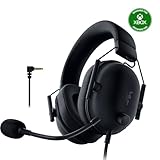
Razer BlackShark V2 X
The BlackShark V2 X remains the benchmark for wired budget headsets, pairing 50mm drivers with a genuinely competent cardioid mic and one of the lightest, least fatiguing builds in this price range. If you play competitive shooters and want clean positional audio without spending more, this is the default recommendation.
Razer BlackShark V2 X for Xbox
Functionally the same excellent headset, tuned and packaged for Xbox players who want a plug-and-play 3.5mm connection straight into the controller. Choose this version if Xbox is your primary platform; the standard model is the better pick for PC-first players.
Turtle Beach Stealth 600
The most compelling wireless option under $100, offering low-latency connectivity, strong battery life, and Turtle Beach’s well-implemented mic monitoring. It concedes some raw audio detail to the wired competition, but the freedom of movement is a fair trade for couch and console players.
JBL Quantum 100M2
JBL’s audio pedigree shows here — the Quantum 100M2 delivers noticeably richer, more balanced sound than most budget gaming headsets, with a detachable mic that makes it far more versatile for music and calls. A smart pick if you want one headset for everything.
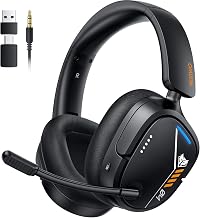
Ozeino Gaming Headset
An aggressively priced entry-level option with RGB lighting, a noise-cancelling mic, and broad console and PC compatibility out of the box. Build quality and sound refinement don’t match the brand-name picks, but for casual players or a secondary headset it delivers real value.
Frequently Asked Questions
Is wired or wireless better under $100?
Wired, in most cases. At this budget, manufacturers spending money on wireless components have less left for drivers and microphones, so a comparable wired headset usually sounds and records better. Go wireless only if cable freedom is a priority.
Does 7.1 surround sound actually work on budget headsets?
It’s virtual processing rather than true multi-channel hardware, but well-implemented spatial audio can meaningfully improve directional awareness in shooters. Quality varies widely by brand, and stereo from a good headset often beats poor virtual surround.
Will these headsets work with my PS5, Xbox, and Switch?
Any 3.5mm headset will work across all three via the controller or handheld jack, which is why wired models are the safest cross-platform choice. Wireless headsets are typically licensed for either Xbox or PlayStation, so verify compatibility before buying.
How long should a sub-$100 headset last?
Expect two to four years with normal use. The most common failure points are the cable near the jack and the earpad foam, both of which are often replaceable — buying a model with available replacement earpads meaningfully extends its lifespan.
Final Thoughts
For most players, the Razer BlackShark V2 X is the clear winner under $100, combining competitive-grade positional audio, a reliable mic, and all-day comfort at a price that undercuts far pricier rivals. If you want wireless freedom for console play, the Turtle Beach Stealth 600 is the best cable-free option in this budget, while the JBL Quantum 100M2 is the smarter buy for anyone who wants one headset that handles gaming, music, and calls equally well.