Key takeaways
- Connection type: Low-latency 2.4GHz wireless is the gold standard for competitive play; Bluetooth is fine for chat but can introduce lag, and wired remains the most reliable zero-latency option.
- Mic quality: Look for a detachable or flip-to-mute boom mic with clear noise rejection so callouts stay crisp and background noise stays out.
- Battery life: Wireless headsets used for long ranked sessions or tournaments should offer at least 30+ hours per charge to avoid mid-match dead batteries.
- Driver size and soundstage: Larger drivers (50mm+) combined with virtual or true surround sound help you pinpoint footsteps and gunfire direction more accurately.
- Comfort and build: Memory foam or plush ear cushions, a lightweight frame, and a durable headband matter most during multi-hour sessions or tournament play.
What's inside
Milliseconds matter in competitive play, and the wrong headset can cost you more than comfort — muddy positional audio, a mic that clips out mid-callout, or a battery that dies before the match ends. With wireless latency, mic clarity, and long-session comfort all competing for priority, narrowing down the right pick from a crowded market is harder than it should be.
This guide breaks down six of the most trusted gaming headsets on the market right now, from ultra-fast wireless flagships to reliable wired classics, so you can match your setup and budget to a headset that actually helps you win.
As an Amazon Associate we earn from qualifying purchases at no extra cost to you. Product prices and availability are accurate as of the date shown and are subject to change.




🎮 Get More From Your Setup — Free
Prime Gaming gives you free PC games every month, in-game loot, and a free Twitch channel sub — plus fast free shipping on all the gear above. New members get a 30-day free trial.
Watch: Best Gaming Headsets for Competitive Play — Video Review
How to Choose a Gaming Headsets for Competitive Play
- Connection type: Low-latency 2.4GHz wireless is the gold standard for competitive play; Bluetooth is fine for chat but can introduce lag, and wired remains the most reliable zero-latency option.
- Mic quality: Look for a detachable or flip-to-mute boom mic with clear noise rejection so callouts stay crisp and background noise stays out.
- Battery life: Wireless headsets used for long ranked sessions or tournaments should offer at least 30+ hours per charge to avoid mid-match dead batteries.
- Driver size and soundstage: Larger drivers (50mm+) combined with virtual or true surround sound help you pinpoint footsteps and gunfire direction more accurately.
- Comfort and build: Memory foam or plush ear cushions, a lightweight frame, and a durable headband matter most during multi-hour sessions or tournament play.
The Best Gaming Headsets for Competitive Plays Reviewed
Razer BlackShark V3 X HyperSpeed
Razer’s HyperSpeed wireless tech delivers reliably low latency across PC, PS5, and Switch, and the 70-hour battery life means it can outlast even the longest tournament grind. The cardioid mic does a solid job isolating your voice from keyboard clatter and background noise.
Razer BlackShark V2 X
A wired favorite among esports players for good reason — the 50mm drivers and cardioid mic punch well above the price point, and the simple 3.5mm connection means zero latency and zero pairing hassle.
Logitech G PRO X 2 Lightspeed
Logitech’s Graphene drivers and DTS:X 2.0 surround give this headset an exceptionally detailed soundstage for tracking footsteps and directional gunfire, while Lightspeed wireless keeps input lag imperceptible. The detachable boom mic is a nice touch for players who also want a clean look outside gaming sessions.
HyperX Cloud III S
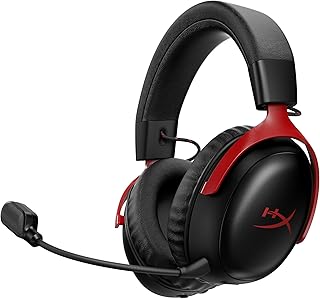
The standout here is battery life — up to 120 hours on 2.4GHz or a staggering 200 hours over Bluetooth — making it one of the least likely headsets to die on you mid-season. Angled 53mm drivers and a detachable mic round out a genuinely competitive-ready package.
Logitech G522 Lightspeed
With 48kHz/24-bit audio and Blue VO!CE mic processing, the G522 offers some of the cleanest voice chat clarity in this lineup, and the dual 2.4GHz/Bluetooth connectivity adds flexibility for switching between devices. RGB accents are a nice bonus for streamers who care about aesthetics.
Frequently Asked Questions
Is wireless or wired better for competitive gaming?
Modern low-latency wireless systems like HyperSpeed and Lightspeed are virtually indistinguishable from wired in terms of input lag, so the choice mostly comes down to whether you value cable-free freedom or want to eliminate battery management entirely.
Does surround sound actually help in competitive matches?
Yes — virtual or true surround sound improves your ability to judge enemy direction and distance, which is a meaningful edge in shooters and other positional-audio-dependent games.
How important is the microphone for competitive play?
Very important in team-based games, since clear, low-latency callouts often matter as much as raw aim; a detachable or noise-isolating mic is worth prioritizing over minor audio upgrades.
Do I need a headset with multi-platform support?
If you regularly switch between PC and console, a headset with 2.4GHz, Bluetooth, and USB compatibility (like several models above) saves you from buying separate gear for each system.
Final Thoughts
For most competitive players, the Logitech G PRO X 2 Lightspeed and HyperX Cloud III S stand out as the strongest all-around picks thanks to their combination of low-latency wireless performance, standout audio detail, and long battery life, while the Razer BlackShark V2 X remains the smartest budget-friendly choice for anyone who prefers a dependable wired connection.