Key takeaways
- Refresh rate: Prioritize 180Hz or higher; more frames mean smoother motion and a genuine edge in fast-paced titles.
- Response time: Fast IPS or OLED panels with 1ms or lower response reduce motion blur, keeping fast movement crisp.
- Resolution: Many pros favor 1080p or 1440p, balancing high frame rates against clarity without overtaxing the GPU.
- Adaptive sync: G-Sync or FreeSync eliminates tearing, keeping your view clean during frantic firefights.
- Competitive features: Extras like black equalizer and crosshair overlays help you spot enemies faster in dark corners.
What's inside
In competitive gaming, milliseconds decide matches, and your monitor is the final link in your reaction chain. A high refresh rate, lightning-fast response time, and low input lag can be the difference between landing the shot and respawning. For serious players, the right display isn’t a luxury, it’s part of the toolkit.
We’ve focused on the specs that actually move the needle for competitive play, then picked the monitors that deliver them best. Below are our top choices for 2026, from blazing-fast IPS panels to cutting-edge OLED options, followed by a guide to help you build the fastest possible setup.
As an Amazon Associate we earn from qualifying purchases at no extra cost to you. Product prices and availability are accurate as of the date shown and are subject to change.





🎮 Get More From Your Setup — Free
Prime Gaming gives you free PC games every month, in-game loot, and a free Twitch channel sub — plus fast free shipping on all the gear above. New members get a 30-day free trial.
Watch: Best Monitor For Competitive Gaming — Video Review
How to Choose a Competitive Gaming Monitor
- Refresh rate: Prioritize 180Hz or higher; more frames mean smoother motion and a genuine edge in fast-paced titles.
- Response time: Fast IPS or OLED panels with 1ms or lower response reduce motion blur, keeping fast movement crisp.
- Resolution: Many pros favor 1080p or 1440p, balancing high frame rates against clarity without overtaxing the GPU.
- Adaptive sync: G-Sync or FreeSync eliminates tearing, keeping your view clean during frantic firefights.
- Competitive features: Extras like black equalizer and crosshair overlays help you spot enemies faster in dark corners.
The Best Competitive Gaming Monitors Reviewed
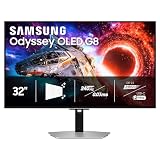
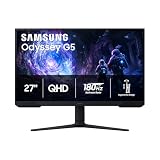
Samsung Odyssey OLED G5 27-Inch
This QD-OLED panel pairs 180Hz with a blistering 0.03ms response time and G-Sync compatibility, delivering the instant pixel response competitive players crave.
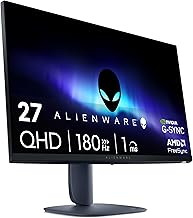
Alienware AW2725DM 27-Inch
The AW2725DM offers a 180Hz Fast IPS panel with G-Sync, 95% DCI-P3, and HDMI 2.1, a premium, well-rounded choice for serious competition.
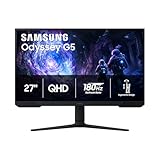
Samsung Odyssey G5 27-Inch QHD
The G51F brings 180Hz QHD gaming with a black equalizer and virtual aim point, competitive-friendly features that help you spot and track opponents.
ASUS TUF Gaming VG27AQ3A
This 27-inch QHD Fast IPS panel runs 180Hz with Extreme Low Motion Blur Sync and G-Sync compatibility, a value-packed pick for competitive clarity.
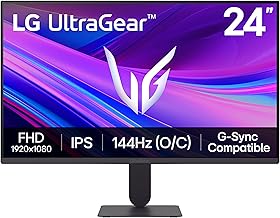
LG 24G411A 24-Inch Full HD
For pure speed on a budget, this 24-inch 1080p IPS panel hits 144Hz with a 1ms response and G-Sync compatibility, a compact esports-focused display.
Frequently Asked Questions
What refresh rate do competitive gamers need?
180Hz is a strong baseline, with some pros pushing higher. The smoother motion and reduced blur provide a real advantage in fast-paced games.
Is OLED good for competitive gaming?
Yes. OLED’s near-instant response time, like the G5’s 0.03ms, virtually eliminates motion blur, making it excellent for tracking fast targets.
Should I choose 1080p or 1440p for competition?
Both work well. 1080p makes it easier to hit ultra-high frame rates, while 1440p adds clarity; choose based on your GPU and preference.
Do competitive features like black equalizer help?
They can. Brightening dark areas makes enemies easier to spot in shadows, giving attentive players a subtle but useful edge.
Final Thoughts
The Samsung Odyssey OLED G5 leads our picks with its stunning response time, ideal for the most demanding players. The Alienware AW2725DM is a superb premium IPS option, while the LG 24G411A delivers competitive speed on a budget.