Key takeaways
- Refresh Rate: Aim for at least 144Hz; 180Hz or 240Hz gives a real edge in fast-paced shooters and helps you track opponents more smoothly.
- Response Time: Look for 1ms (MPRT/GtG) response times to minimize motion blur and ghosting during quick camera movements.
- Panel Type: IPS panels offer better color and viewing angles for content creation crossover, while VA/TN options can be cheaper but sacrifice some clarity.
- Adaptive Sync: FreeSync or G-Sync compatibility eliminates screen tearing and keeps gameplay smooth even when frame rates fluctuate.
- Resolution vs. Speed: 1080p at high Hz is easier to run at max frame rates on budget GPUs, while 1440p adds sharpness if your hardware can keep pace.
What's inside
Competitive gaming lives and dies by milliseconds, and the wrong monitor can cost you the frame advantage you’ve spent hours training for. High refresh rates, low input lag, and clean motion clarity used to mean paying a premium, but the budget segment has matured fast, and there are now genuinely competitive-grade panels available without the flagship price tag.
This guide breaks down six of the best budget gaming monitors for competitive play in 2026, covering everything from 24-inch 240Hz FHD panels to a 1440p 180Hz Odyssey for players who want a bit more screen real estate without giving up speed.
As an Amazon Associate we earn from qualifying purchases at no extra cost to you. Product prices and availability are accurate as of the date shown and are subject to change.


🎮 Get More From Your Setup — Free
Prime Gaming gives you free PC games every month, in-game loot, and a free Twitch channel sub — plus fast free shipping on all the gear above. New members get a 30-day free trial.
Watch: Best Budget Gaming Monitor For Competitive Play — Video Review
How to Choose a Budget Gaming Monitor For Competitive Play (2026)
- Refresh Rate: Aim for at least 144Hz; 180Hz or 240Hz gives a real edge in fast-paced shooters and helps you track opponents more smoothly.
- Response Time: Look for 1ms (MPRT/GtG) response times to minimize motion blur and ghosting during quick camera movements.
- Panel Type: IPS panels offer better color and viewing angles for content creation crossover, while VA/TN options can be cheaper but sacrifice some clarity.
- Adaptive Sync: FreeSync or G-Sync compatibility eliminates screen tearing and keeps gameplay smooth even when frame rates fluctuate.
- Resolution vs. Speed: 1080p at high Hz is easier to run at max frame rates on budget GPUs, while 1440p adds sharpness if your hardware can keep pace.
The Best Budget Gaming Monitor For Competitive Play (2026)s Reviewed
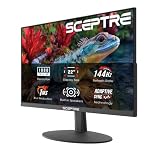
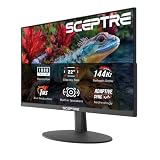
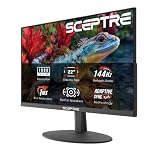
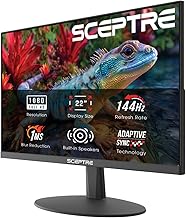
Sceptre 22-Inch 144Hz Monitor
This is the entry point for competitive play on a tight budget, delivering a smooth 144Hz refresh rate and built-in speakers in a compact 22-inch frame that’s easy to fit on any desk. It’s a strong pick for esports titles like Valorant or CS2 where fast pixel response matters more than screen size.
Dell 24 240Hz Gaming Monitor (SE2426HG)
The standout here is the 240Hz IPS panel, a rare combination at this price point that gives serious competitive players an edge in tracking fast motion. AMD FreeSync Premium and dual HDMI ports round out a genuinely excellent value proposition for FPS and racing games.
Acer KB242Y
With a zero-frame IPS design, 99% sRGB coverage, and up to 120Hz refresh, the KB242Y balances color accuracy with competitive-friendly speed. It’s a versatile choice for players who also edit clips or stream, thanks to its strong color reproduction.
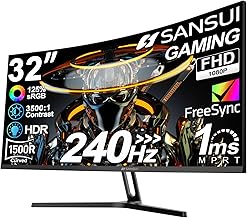
SANSUI ES-G24F4
The 180Hz refresh rate and 1ms response time make this monitor punch well above its price class, and the included racing/FPS/RTS picture modes are a nice touch for quick genre-specific tuning. DP 1.4 and HDMI 2.0 ensure you’re not bottlenecked on bandwidth at higher frame rates.
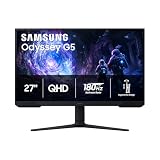
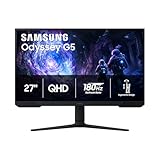
Samsung Odyssey G5 (G51F) 27″ QHD
Stepping up to 1440p without dropping below 180Hz, the Odyssey G5 is the pick for players who want sharper visuals alongside competitive speed. Features like Virtual Aim Point and Black Equalizer are genuinely useful additions for ranked play, not just marketing fluff.
Frequently Asked Questions
Is 144Hz enough for competitive gaming?
Yes, 144Hz is widely considered the baseline for competitive play and offers a significant improvement over standard 60Hz monitors. Stepping up to 180Hz or 240Hz provides diminishing but still noticeable returns, especially in fast-paced shooters.
Should I choose 1080p or 1440p for competitive gaming?
1080p remains the safer choice for budget builds since it’s easier to push high frame rates consistently, even on mid-range GPUs. 1440p offers sharper visuals but requires more graphics horsepower to maintain the same refresh rates.
Does panel type (IPS vs VA vs TN) matter for esports?
IPS panels are generally preferred today for their fast response times combined with good color and viewing angles, making older concerns about TN-only speed largely outdated. VA panels can still work well but may show more motion blur in very fast scenes.
Do I need FreeSync or G-Sync on a budget monitor?
Adaptive sync technology like FreeSync helps eliminate screen tearing when your frame rate fluctuates, which is common on budget gaming PCs. It’s a worthwhile feature to prioritize even at lower price points, especially if you’re not always hitting a locked frame rate.
Final Thoughts
For pure competitive speed at a great price, the Dell SE2426HG’s 240Hz IPS panel is hard to beat, while the SANSUI ES-G24F4 offers excellent 180Hz performance with handy genre-specific modes. If you want sharper visuals without sacrificing speed, the Samsung Odyssey G5 QHD is the standout upgrade pick.