Our Top Picks
 Razer BlackShark V2 X Wired Gaming Headset with3.5 mm7.6 x 6.76 x 3.86 inches0.5 poundsCheck on Amazon
Over-ear (circumaural) headsets are the better default for gaming because the earcups surround the ear, which usually means better isolation, more room for larger drivers and more comfort in long sessions, while on-ear (supra-aural) headsets win on weight and compactness. Choose on-ear only if low weight or portability matters more than isolation and pad comfort.
Short Answer
General headphone references describe over-ear pads as circular or oval cushions that encompass the ears and can seal against the head to reduce outside noise, with the trade-off that these designs tend to be heavier. On-ear pads rest directly on the ears, are generally smaller and lighter, and provide less attenuation of outside noise, and the pressure on the ear can become uncomfortable over time. Both styles can be open-back or closed-back, so this choice is separate from the open versus closed decision.
Razer BlackShark V2 X Wired Gaming Headset with Mic for PC and PS5, Black | TriForce Titanium 50 mm Drivers, HyperClear Cardioid Mic, 240 g Lightweight, Noise-Isolating Earcups, 3.5 mm, PS4, Switch
Chosen because it specifies Black and TriForce Titanium 50 mm Drivers.
View on Amazon
JBL Quantum 200 - Wired over-ear gaming headset with Voice focus directional flip-up mic and memory foam ear cushions (Black)
Picked as a relevant option in this category.
View on Amazon
Motast 2.4GHz Wireless Gaming Headset for PC PS5 PS4 Switch, BT6.0, 100Hrs | 7.1 Surround Sound Gaming Headphones with 50mm Drivers, ENC Noise Canceling Mic, RGB Light, 263g Lightweight Over Ear Headset
Chosen because it specifies BT6.0 and 100Hrs.
View on Amazon
One Ear Gaming Headset for PS5/PS4/Xbox Series S/Xbox Series X, Wired Online Game Unilateral Headset, 50mm Drivers|Detachable Mic|3.5mm Headphone Jack for Switch Lite, Xbox One, Laptop/Phone
Chosen because it specifies Wired Online Game Unilateral Headset and 50mm Drivers.
View on AmazonSide-by-Side Comparison
| Factor | Over-ear | On-ear |
|---|---|---|
| Pad position | Around the ear | On top of the ear |
| Noise isolation | Usually better when the seal is good | Usually weaker |
| Weight and size | Heavier and bulkier | Lighter and more compact |
| Long-session comfort | Often better if the cups fit and clamp force is moderate | Pressure on the ear can tire some users |
| Heat | Can feel warm, depending on pad material | Often cooler because less skin is covered |
| Glasses wearers | Seal can break around the frames | Less pad around the temple, though pressure may still bother |
| Microphone options | Very common in gaming headsets | Less common in gaming lines |
| Portability | Folds in some models but remains bulky | Easier to pack |
What Matters for Gamers
Comfort over hours
Comfort is the main reason most gaming headsets are over-ear. Large cups spread pressure around the ear instead of on it, and thick memory-foam or fabric pads are common. That said, a heavy over-ear headset with strong clamping force can be worse than a light on-ear model, so weight and clamp matter as much as style. Makers list weight in their specifications; compare those figures for models you are considering.
Isolation and immersion
A good seal around the ear blocks some ambient noise and keeps bass fuller. On-ear designs let more outside sound in, which can be useful if you need to hear a household, but less helpful for focused play.
Sound size and driver design
Over-ear cups have room for larger drivers and air volume, and many makers market that as a bigger sound. Driver size alone does not determine quality; tuning and design matter more. On-ear models can still sound good, especially lighter, wired designs from audio-focused brands.
Glasses, hair and ears
Thick frames can break an over-ear seal and reduce bass. Softer pads and thinner temple arms help. On-ear pads can press frames against the head at the ear. Try the fit with your own glasses if possible.
Microphone and features
Gaming headsets with detachable booms, wireless dongles and surround software are overwhelmingly over-ear. If you need these features, the choice is largely made for you.
Pick X If
| Pick | If you |
|---|---|
| Over-ear | Play for long sessions, want isolation, need a boom microphone or wireless dongle |
| Over-ear | Wear glasses and can find soft, wide pads that seal around the frames |
| On-ear | Want the lightest possible weight or a compact travel headset |
| On-ear | Find sealed cups hot and still want to hear the room |
| On-ear | Mostly use a console controller on the couch and want something easy to put on and take off |
Common Mistakes
- Judging comfort from the spec sheet alone. Weight is helpful, but pad depth, ear shape and clamp force decide the fit.
- Assuming over-ear always means better sound. Tuning and driver quality matter more than cup size.
- Ignoring head size. A headband that is too tight or too loose spoils both styles.
- Buying on-ear for strong bass. Without a good seal, low frequencies roll off.
- Forgetting pad replacement. Pads wear out; check whether the maker sells replacements, because cushions affect both comfort and sound.
- Confusing the style with open versus closed. Over-ear or on-ear describes how the pad sits; open or closed describes the back of the cup.
Alternatives
- Lightweight over-ear headsets: several makers sell wireless over-ear models with low weight claims, giving a middle path.
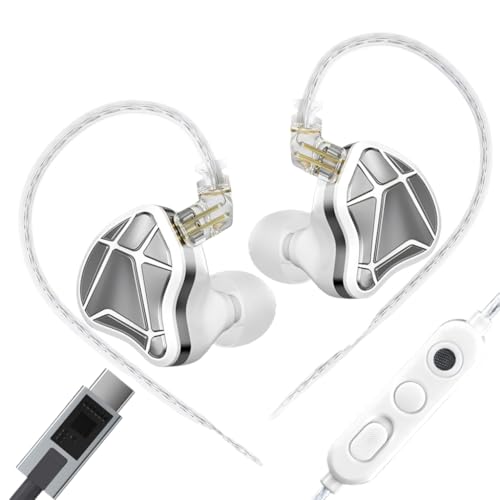
- In-ear monitors or earbuds with a boom microphone: the lightest option; isolation varies by tip fit.
- Open-back over-ear headphones with a separate microphone: a spacious sound for quiet rooms.
How to Decide
- Note how long you usually play and whether you wear glasses.
- Check the maker’s listed weight and pad material.
- Decide if you need a microphone, wireless connection or surround software.
- Read independent reviews that comment on comfort over several hours and for your head size.
Frequently Asked Questions
Are over-ear headphones better than on-ear for gaming?
For most players, yes, because they usually isolate better and offer more cup space and pad choices. On-ear models are better if you want a light, compact headset and can accept less isolation.
Do on-ear headphones hurt after a long time?
Some users report pressure on the ear from on-ear pads, particularly with a firm clamp. Soft pads and a lighter weight reduce the effect, but the experience varies from person to person.
Which is better for glasses?
Over-ear models with soft, deep pads can seal around frames, while thick frames may lift the pad and weaken the seal. On-ear models avoid the seal problem but can press frames against the head. Trying both is the most reliable approach.
Do over-ear headsets have better sound?
Not automatically. They have room for larger drivers and better seals, but the sound depends on the tuning of the specific model. Read independent measurements and reviews rather than relying on cup size.
Can an on-ear headset have a good microphone?
It can, but gaming-style booms and detachable microphones are far more common on over-ear models. If chat quality matters, check the maker’s microphone specification.
Is open-back or closed-back more important than over-ear or on-ear?
They are separate decisions. The pad style affects comfort and isolation, while open or closed back affects leakage and sound character. Decide on the back type first if you share your room, then choose the pad style for comfort.
FAQ
Are over-ear headphones better than on-ear for gaming?
Do on-ear headphones hurt after a long time?
Which is better for glasses?
Do over-ear headsets have better sound?
Can an on-ear headset have a good microphone?
Is open-back or closed-back more important than over-ear or on-ear?
More from Amazon
Programs that pair well with the guide above. Offers and eligibility are set by Amazon and may change.
Free shipping on eligible items, Prime Video and more. Eligible new members can start with a free trial.
Start a Prime free trialAd-free music streaming. Eligible new subscribers can start with a free trial.
Try Music Unlimited freeA Prime membership for ages 18-24 with a trial period. Eligibility is set by Amazon.
See Prime for Young AdultsAudiobooks and podcasts to listen to on the go. Eligible new members can start with a free trial.
Try Audible freeAs an Amazon Associate we earn from qualifying purchases.