Key takeaways
- RAM capacity: 16GB is the practical floor for 2026; 32GB DDR4 or DDR5 is the comfortable target for multitasking and future titles.
- Memory speed: Faster kits (DDR5 at 5200MHz and above) noticeably help AMD platforms feed the CPU.
- Storage: A 1TB M.2 NVMe SSD is the minimum for fast load times; 2TB gives breathing room for large installs.
What's inside
The processor is the quiet workhorse of any gaming rig. While the graphics card grabs the headlines, it’s the CPU that feeds your GPU the frames, manages physics, handles background streaming software, and keeps a modern open-world game from stuttering when things get busy. Getting the CPU setup right is the difference between a system that merely runs your games and one that runs them smoothly for years.
This guide walks through what actually matters when you build a gaming setup around a capable processor, from core counts and cooling to memory pairing. Along the way we’ll point to a few well-balanced prebuilt systems that show how the pieces fit together, so you can see the theory in action rather than in the abstract.
As an Amazon Associate we earn from qualifying purchases at no extra cost to you. Product prices and availability are accurate as of the date shown and are subject to change.




🎮 Get More From Your Setup — Free
Prime Gaming gives you free PC games every month, in-game loot, and a free Twitch channel sub — plus fast free shipping on all the gear above. New members get a 30-day free trial.
Watch: Best CPU Setup For Gaming — Video Review
Cores, Clocks, and What Games Actually Use
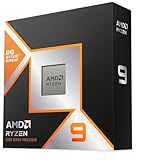
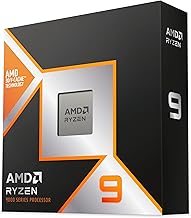
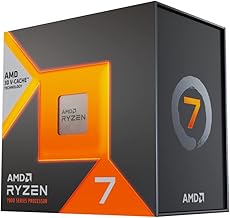
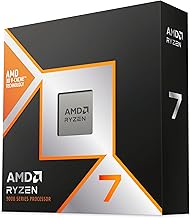
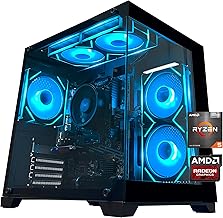
Most games lean on a handful of fast cores rather than a huge quantity of them, which is why a chip like the Ryzen 7 5700X remains a superb gaming value even as newer parts arrive. Six to eight cores with high clock speeds is the sweet spot for pure gaming. If you also stream, edit video, or keep dozens of browser tabs open, stepping up to a Ryzen 9 7900X, as seen in the iBUYPOWER Element and Y40 PRO builds, gives you headroom for those parallel workloads without throttling your frame rate.
Pairing the CPU With the Right GPU
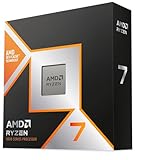
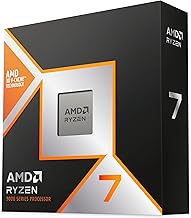
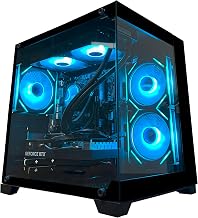
A processor and graphics card should be matched so neither leaves the other waiting. Dropping an entry-level GT 1030, like the one in the renewed Dell RGB desktop, next to a top-tier CPU wastes money, while a Ryzen 9 paired with an RTX 5070 or 5070 Ti hits a genuinely balanced 1440p and 4K target. When you shop prebuilt, look for sensible pairings such as the Ryzen 7 9700X with an RTX 5060 in the KOTIN tower.
Cooling and Thermal Headroom
Higher-end chips run hotter under sustained load, and thermal throttling silently robs you of performance. Air coolers handle most six- and eight-core chips comfortably, but a 360mm liquid cooler, like the closed-loop unit in the KOTIN prebuilt, keeps a hard-working Ryzen 7 or 9 quiet and consistent during long sessions. Good case airflow with ARGB fans is not just for looks; it directly protects your clock speeds.
Memory and Storage That Keep Up
- RAM capacity: 16GB is the practical floor for 2026; 32GB DDR4 or DDR5 is the comfortable target for multitasking and future titles.
- Memory speed: Faster kits (DDR5 at 5200MHz and above) noticeably help AMD platforms feed the CPU.
- Storage: A 1TB M.2 NVMe SSD is the minimum for fast load times; 2TB gives breathing room for large installs.
Connectivity and Longevity
Integrated WiFi and Bluetooth, present across the YAWYORE and iBUYPOWER systems, save you the hassle of add-in cards and make wireless peripherals painless. When you can, choose a newer socket like AM5 so future CPU upgrades stay on the table without a full rebuild.
Tips
- Enable your memory’s XMP or EXPO profile in the BIOS; kits often ship at slower default speeds.
- Match your monitor to your hardware; a fast CPU shines most at high refresh rates.
- Don’t overspend on cores you won’t use if your only workload is gaming.
- Keep at least 20 percent of your SSD free so game load performance stays consistent.
Frequently Asked Questions
Do more CPU cores mean better gaming performance?
Not directly. Most games use six to eight cores well, so beyond that, extra cores mainly benefit streaming, rendering, and multitasking rather than raw frame rate.
Is a Ryzen 7 enough for high-end gaming?
Absolutely. A Ryzen 7 5700X or 9700X paired with a strong GPU handles 1440p and 4K gaming smoothly, which is why both appear in well-regarded prebuilt systems.
Do I need liquid cooling for a gaming CPU?
Only if you run a high-core-count chip under heavy sustained load. For most eight-core gaming CPUs, a quality air cooler is sufficient, though a 360mm liquid loop runs quieter.
How much RAM should a gaming CPU be paired with?
Aim for 32GB in 2026 if you can. It gives comfortable headroom for modern titles and background apps; 16GB still works but leaves little room to spare.
Conclusion
A great gaming CPU setup is about balance rather than raw specs. Match a fast six- to eight-core processor to a GPU it can keep busy, give it adequate cooling and quick DDR4 or DDR5 memory, and you’ll have a rig that stays smooth long after launch day. The Ryzen 7 and Ryzen 9 based systems highlighted above show that formula executed well, and any of them makes a dependable foundation for years of gaming.