Our Top Picks
 Jumping whales Gaming Mouse Pad 16x35.5 Inch35.5" x 16"35.5 x 16 x 0.1 inches1.4 poundsCheck on Amazon
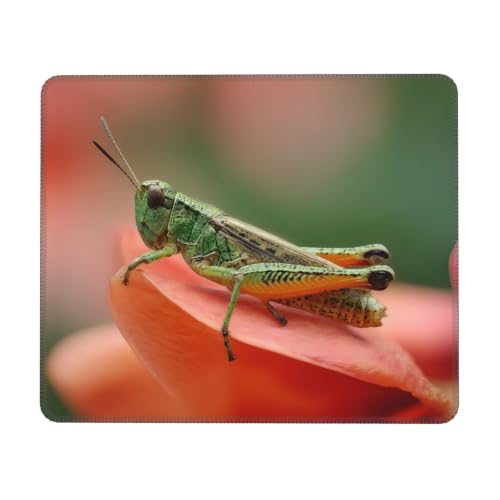 Precision-Locked Mouse Pads are Suitable for Libraries and12L x 10W inches12 x 10 x 0.1 inchesCheck on Amazon
When a mouse cursor or crosshair jumps, jitters or spins out, the fastest fixes are to clean the sensor lens, move to a plain non-glossy mouse pad, plug the mouse straight into the PC, and turn off Windows pointer acceleration; if the jump follows the mouse to every surface and every computer, the sensor itself is faulty and belongs with the maker’s support team.
What Sensor Jumping Looks Like
People use several terms for the same family of problems. A jump is when the cursor teleports a short distance for no reason. Jitter is a small shaking while the mouse is held still or moved slowly. Spin-out is when a fast swipe makes the cursor fly off or freeze because the sensor lost track of the surface. Each has slightly different causes, so note which one you see before changing anything.
Jumping whales Gaming Mouse Pad 16x35.5 Inch | Extended Mousepad, Non-Slip Rubber Base, Stitched Edges Desk Mat for Computer Laptop Office Home
Chosen because it specifies Extended Mousepad and Non-Slip Rubber Base.
View on AmazonPrecision-Locked Mouse Pads are Suitable for Libraries and Studies | Precision overlock Jumping bug 8.3 x 10.3 in printed mouse pads suitable for libraries and studies
Picked as a relevant option in this category.
View on Amazon
Precision-Locked Mouse Pads are Suitable for Libraries and Studies | Precision overlock Jumping up dolphins 7 x 8.6 in printed mouse pads suitable for libraries and studies
Picked as a relevant option in this category.
View on AmazonPrecision-Locked Mouse Pads are Suitable for Libraries and Studies | Precision overlock Jumping bug 7.9 x 9.5 in printed mouse pads suitable for libraries and studies
Picked as a relevant option in this category.
View on Amazon| Symptom | Common cause | First fix |
|---|---|---|
| Cursor jumps while the mouse is still | Dirt on lens, hovering dust, interference | Clean the lens, check the cable and port |
| Jitter at slow movement | Pad pattern, surface calibration, acceleration | Plain pad, reset surface calibration, disable acceleration |
| Spin-out on fast swipes | Glossy or worn surface, dust, low-end sensor limits | Different pad, clean sensor |
| Jumping only when wireless | Dongle interference, low battery | Move dongle closer, fresh charge, use a USB extension |
| Jumping through a USB hub | Power or bandwidth issue on the hub | Plug directly into the PC |
| Happens in every game and on every PC | Faulty sensor or damaged mouse | Warranty claim |
Step 1: Clean the Mouse and the Sensor
Dirt is the most common culprit. Razer’s support replies on its community forum for the Viper V3 Pro and Viper Mini recommend cleaning the mouse and sensor with a lint-free microfiber cloth. Switch the mouse off or unplug it first. Use short bursts of compressed air from a few centimeters away, then gently wipe the sensor window with a dry cotton swab. Some guides allow a very lightly dampened swab with isopropyl alcohol, while others warn that liquids can harm the lens coating. Because sources disagree, a dry wipe is the safer first attempt, and any liquid should follow the maker’s cleaning advice.
Dirt can be tiny. In one forum case, specks were only visible under a flashlight and the air puffs did not remove them, while a gentle wipe with a microfiber cloth wrapped around a small screwdriver did. Also look at the mouse feet, since hair or debris stuck to them can make the mouse drag and trigger odd tracking.
Step 2: Fix the Surface
Optical and laser sensors read texture on the surface. Razer’s guidance advises avoiding rough, shiny or glossy surfaces such as glass, and notes that multicolored pads can confuse some sensors. A worn or glossy pad gives the sensor less texture to follow, which lowers the speed at which tracking fails. Try a plain, matte, single-color cloth pad, or a clean desk mat made for gaming. One DeathAdder Essential owner reported that a new pad stopped their spin-outs, which fits the idea that the sensor wants both itself and the surface to be clean.
- Avoid glass, mirrors, glossy wood and very dark reflective desks.
- Replace a pad that is frayed, stained or has a worn patch where you swipe.
- Wipe the pad according to the maker’s cleaning instructions, since dust and oils change how it reads.
Step 3: Reset Surface Calibration and Check Software
Many gaming mice from Razer, Logitech and others offer surface calibration in their software. Razer’s support replies suggest resetting the mouse’s surface calibration in Razer Synapse, and in some cases turning calibration off or using a plain pad. If calibration was run on a different pad, tracking on the new one may behave oddly, so reset it and re-run it only on the surface you use.
- Open the maker’s software and reset surface calibration to default.
- If the issue persists, test the mouse on a different PC with no maker software installed. If it behaves, the software is the suspect.
- Do a clean reinstall of the software, then update the mouse firmware following the maker’s instructions.
- Do not interrupt a firmware update, as an interrupted update can leave a mouse unusable.
Step 4: Check Windows and In-Game Settings
Pointer acceleration, called Enhance pointer precision in Windows, can make movement feel erratic and is listed by Razer as a possible cause of odd tracking. Turn it off in Mouse settings under additional mouse options, pointer options. In games, enable raw input if the game offers it so the mouse bypasses extra processing. A Steam user with a DeathAdder reported that disabling Windows acceleration and enabling raw input in the game fixed their problem, although results vary.
Polling rate is another variable. Some sources suggest lowering it from 1000 Hz to 500 Hz as a test, especially on older PCs or via a hub, because very high polling rates can expose USB or CPU bottlenecks. Higher rates such as 4000 or 8000 Hz need a capable USB port and CPU, so drop to a lower rate while diagnosing.
Step 5: Rule Out Connection Problems
- USB hubs: Razer’s guidance says to plug directly into the PC and not a hub. Use a rear motherboard port where possible.
- Cable: A kinked or frayed cable can cause intermittent jumps. Try another cable if the cable is detachable.
- Wireless interference: Keep a clear line of sight to the dongle, use the supplied extension if provided, and keep it away from other 2.4 GHz devices, large metal objects and USB 3.0 ports that can produce noise.
- Battery: A low battery on a wireless mouse can produce erratic behavior. Charge it fully before testing.
When It Is the Sensor Itself
If the jitter or jumping appears on every surface, on multiple computers, with no maker software and after a thorough cleaning, the sensor or its board is probably defective. This is the point to stop troubleshooting. Contact the maker’s support with the serial number and proof of purchase, and describe the steps you already tried so they can skip the basics. Do not open a mouse under warranty because it can void coverage. Razer community threads on the Viper line show that support typically starts with the steps above before offering a replacement, so having them documented helps.
Common Mistakes
- Blaming DPI first. Very high DPI can make a small hand tremor look like jitter, but the settings above are more likely to explain a true jump.
- Using the mouse on glass or a glossy desk. It is a classic cause of spin-out and is not a defect.
- Spraying cleaning liquid. Moisture inside the mouse can damage the sensor and switches.
- Running calibration on the wrong surface. It leaves the mouse tuned to a pad you no longer use.
- Skipping the second computer test. It is the quickest way to separate a hardware fault from a software one.
- Ignoring the USB port. Hubs and front-panel ports are common sources of intermittent behavior.
Decision Guide
| If this is true | Do this |
|---|---|
| Only spins out on fast swipes | Change pad, clean lens, check feet |
| Jitters only with the maker software running | Reset calibration, reinstall software |
| Jumps only through a hub or front port | Use a rear motherboard port |
| Wireless only | Dongle placement, battery, interference |
| Everywhere, all PCs, all surfaces | Contact the maker for warranty service |
Frequently Asked Questions
Why does my mouse cursor jump randomly?
Common causes are a dirty sensor lens, a glossy or worn pad, a poor USB connection or hub, and acceleration or calibration settings. If it happens on every surface and every computer, the sensor may be faulty.
What is mouse spin-out?
Spin-out is when a fast swipe makes the sensor lose tracking, so the cursor flies off or freezes. It is often tied to glossy surfaces, dirt or sensor limits, and a plain matte pad usually helps.
How do I clean a mouse sensor safely?
Unplug or switch off the mouse, give it short bursts of compressed air from a few centimeters away and wipe the lens gently with a dry cotton swab or microfiber cloth. Some guides suggest a lightly dampened swab but others warn against liquids, so a dry wipe is the cautious option.
Should I turn off surface calibration?
Razer’s support replies suggest resetting it and, if a multicolored pad is confusing the sensor, turning it off or using a plain pad. Re-run it only on the surface you actually use.
Can a USB hub cause mouse jumping?
Yes. Razer’s guidance recommends plugging the mouse directly into the PC, since hubs can introduce power or bandwidth problems that show up as erratic movement.
When should I replace the mouse?
If cleaning, a new pad, direct USB connection, settings changes and a test on another PC do not help, treat it as a hardware defect. Use the warranty if it is still valid and avoid opening the mouse yourself.
FAQ
Why does my mouse cursor jump randomly?
What is mouse spin-out?
How do I clean a mouse sensor safely?
Should I turn off surface calibration?
Can a USB hub cause mouse jumping?
When should I replace the mouse?
More from Amazon
Programs that pair well with the guide above. Offers and eligibility are set by Amazon and may change.
Free shipping on eligible items, Prime Video and more. Eligible new members can start with a free trial.
Start a Prime free trialAd-free music streaming. Eligible new subscribers can start with a free trial.
Try Music Unlimited freeA Prime membership for ages 18-24 with a trial period. Eligibility is set by Amazon.
See Prime for Young AdultsAudiobooks and podcasts to listen to on the go. Eligible new members can start with a free trial.
Try Audible freeAs an Amazon Associate we earn from qualifying purchases.