Key takeaways
- Contrast: OLED produces true blacks with per-pixel lighting for infinite contrast, while IPS blacks look gray by comparison due to backlight bleed.
- Response time: OLED reacts almost instantly for the cleanest motion, whereas fast IPS panels are excellent but a step behind.
- Brightness: IPS panels sustain high full-screen brightness for bright rooms, while OLED excels at contrast but is dimmer across large white areas.
- Price: Premium IPS costs less for a given size and refresh, whereas OLED commands a clear premium.
- Longevity: IPS carries no burn-in risk, while OLED includes protections but still requires mindful use over years.
- Color: OLED delivers richer, more saturated color and HDR pop, while quality IPS offers accurate, consistent color for both gaming and work.
What's inside
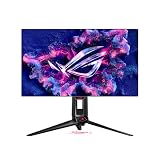
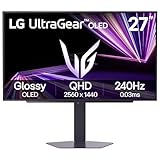
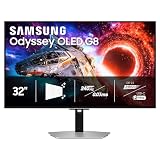
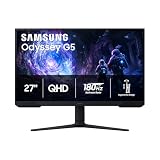
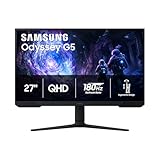
Panel technology has become just as important as resolution, and in 2026 the headline battle is OLED versus IPS. OLED displays like the Samsung Odyssey OLED G6 and LG UltraGear OLED deliver per-pixel lighting for perfect blacks and near-instant response, while high-quality IPS panels such as the ASUS TUF and Samsung Odyssey G5 offer bright, consistent color and razor-sharp motion at a friendlier price.
The choice matters because it shapes contrast, color, motion clarity, and long-term peace of mind more than any spec number. Pick the panel type that fits your room, your games, and your budget and you’ll love the screen for years; pick the wrong one and you’ll wrestle with reflections, dimness, or worries you didn’t need to have.
As an Amazon Associate we earn from qualifying purchases at no extra cost to you. Product prices and availability are accurate as of the date shown and are subject to change.


⚡ Save on Your Next PC — Amazon Prime
Prime members get fast free shipping on the systems above, plus early access to Prime Day & Black Friday PC deals. New members get a 30-day free trial.
Watch: OLED vs IPS Gaming Monitor: 2026 Comparison — Video Review
Quick Verdict
Choose OLED like the LG UltraGear OLED or Samsung Odyssey OLED G6 if you want the best-in-class contrast, color, and motion for immersive and fast-paced gaming and you can manage brightness and burn-in habits. Choose a premium IPS panel like the ASUS TUF Gaming display if you want a brighter screen for well-lit rooms, worry-free longevity, and top gaming quality for less money.
Key Differences
- Contrast: OLED produces true blacks with per-pixel lighting for infinite contrast, while IPS blacks look gray by comparison due to backlight bleed.
- Response time: OLED reacts almost instantly for the cleanest motion, whereas fast IPS panels are excellent but a step behind.
- Brightness: IPS panels sustain high full-screen brightness for bright rooms, while OLED excels at contrast but is dimmer across large white areas.
- Price: Premium IPS costs less for a given size and refresh, whereas OLED commands a clear premium.
- Longevity: IPS carries no burn-in risk, while OLED includes protections but still requires mindful use over years.
- Color: OLED delivers richer, more saturated color and HDR pop, while quality IPS offers accurate, consistent color for both gaming and work.
OLED: Perfect Blacks and Instant Motion
OLED is the enthusiast’s dream panel because it lights each pixel individually. That means true blacks, infinite contrast, and HDR highlights that leap off the screen, along with near-instant response times that make fast motion look flawless. On panels like the Samsung Odyssey OLED G6 and LG UltraGear OLED, both cinematic worlds and competitive shooters look extraordinary.
It suits players who want the most immersive, vivid image and who game in dimmer rooms where OLED’s contrast shines brightest. The considerations are a higher price, lower sustained full-screen brightness, and the need for sensible habits, like varied content and built-in care features, to protect against burn-in over the long haul. For those who prioritize picture quality above all, OLED is unmatched.
IPS: Bright, Reliable, and Great Value
High-quality IPS remains the sensible favorite for a lot of gamers. Panels like the ASUS TUF Gaming and Samsung Odyssey G5 deliver bright, uniform images that hold up in sunlit rooms, accurate color for gaming and creative work, and fast response times that satisfy all but the most demanding competitive players, all at a lower price than OLED.
Its biggest advantages are brightness and peace of mind. There’s no burn-in to think about, so you can leave static HUDs, taskbars, and productivity apps on screen for hours without worry. IPS blacks can’t match OLED’s inky depth, but for buyers who want a durable, bright, do-everything display that costs less, IPS is the smart, low-stress choice.
Which Should You Buy?
- For the best possible image quality: pick OLED like the LG UltraGear OLED because its perfect blacks and color are unmatched.
- For a bright or sunlit room: pick a premium IPS panel because it sustains higher full-screen brightness.
- For competitive gaming motion clarity: pick OLED because its near-instant response delivers the cleanest fast motion.
- For long hours of mixed gaming and desktop work: pick IPS because it has no burn-in risk from static elements.
- For top quality on a tighter budget: pick IPS like the ASUS TUF Gaming display because it offers excellent performance for less.
Frequently Asked Questions
Is OLED burn-in still a concern in 2026?
Modern OLEDs include pixel-shifting and refresh routines that greatly reduce the risk, but static elements over many hours still warrant sensible habits, whereas IPS has no burn-in at all.
Is OLED or IPS better for competitive gaming?
OLED’s near-instant response gives the cleanest motion, but a fast IPS panel like the Samsung Odyssey G5 is still outstanding and easier on the budget.
Which panel is better in a bright room?
IPS, because it sustains higher full-screen brightness and resists washout, while OLED looks its best in dimmer lighting where its contrast stands out.
Is OLED worth the extra money?
If picture quality and immersion are your priority and you can manage brightness and care habits, yes; if you want value, brightness, and zero burn-in worry, IPS is the better spend.
Final Verdict
OLED panels like the Samsung Odyssey OLED G6 and LG UltraGear OLED win on pure image quality and motion, making them the choice for enthusiasts who game in controlled lighting and prize immersion. Premium IPS displays like the ASUS TUF Gaming panel win on brightness, longevity, and value, making them the safer everyday pick. Match the panel to your room, your games, and your budget, and you’ll be happy with either.