Key takeaways
- Always unplug a wired board or power off a wireless one before you start cleaning.
- Photograph your keycap layout before pulling keys so reassembly is foolproof.
- Use isopropyl alcohol rather than water for sticky residue, since it evaporates without leaving moisture behind.
- Let keycaps dry completely before reinstalling to avoid trapped water under the caps.
What's inside
Mechanical keyboards feel fantastic, but their open switch design is a magnet for crumbs, dust, hair, and the sticky residue of a thousand snack breaks. Left alone, that debris leads to mushy keypresses, chattering keys, and a board that looks and smells past its prime. The good news is that a mechanical keyboard is one of the easiest peripherals to bring back to like-new condition, if you clean it the right way.
This guide walks you through a safe, thorough cleaning routine, from a quick surface refresh to a deep clean with the keycaps removed. You will learn which tools to use, what to avoid, and how often to clean so your board keeps its crisp feel and clean look for years.
As an Amazon Associate we earn from qualifying purchases at no extra cost to you. Product prices and availability are accurate as of the date shown and are subject to change.


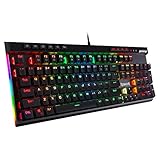
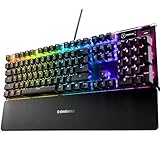


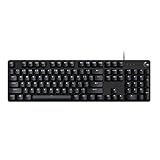

⚡ Save on Your Next PC — Amazon Prime
Prime members get fast free shipping on the systems above, plus early access to Prime Day & Black Friday PC deals. New members get a 30-day free trial.
Watch: How to Clean a Mechanical Keyboard — Video Review
Gather the Right Tools First
A proper clean does not need much: a keycap puller, a soft brush, compressed air, isopropyl alcohol, cotton swabs, and a microfiber cloth. Many boards, including hot-swappable models like the AULA F75 Pro, ship with a keycap puller in the box, which makes deep cleaning far easier. Avoid paper towels that shed lint and harsh household cleaners that can strip legends off keycaps or damage plastics.
The Quick Surface Clean
For weekly upkeep, unplug the board, turn it upside down, and gently shake to dislodge loose crumbs. Follow with a burst of compressed air between the keys to blow out dust, then wipe the keycaps and case with a barely-damp microfiber cloth. This five-minute routine keeps most gunk from ever building up and is enough for keyboards you clean regularly, like a daily-driver Logitech G413 SE or Redragon K580.
Removing Keycaps for a Deep Clean
Every few months, do a full clean. Photograph your layout first so you can put every key back correctly, then use the keycap puller to lift each cap straight up. On boards with per-key switches such as the SteelSeries Apex 5, work gently to avoid stressing the stems. Soak the removed keycaps in warm water with a little dish soap, then let them dry completely before reinstalling, since trapped moisture can cause problems.
Cleaning the Exposed Switches and Plate
With the caps off, brush away debris from around the switches and blast the plate with compressed air. For sticky spots or grime, dampen a cotton swab with isopropyl alcohol, which evaporates quickly and leaves no residue, and gently clean around each switch. Never pour liquid directly onto the board, and keep alcohol off any painted or coated surfaces. On weather-resistant boards like the SteelSeries Apex 3, this step restores a clean, quiet keystroke.
Drying, Reassembly, and Prevention
Let everything dry fully before reassembling, especially the keycaps. Snap each cap back onto its switch using your reference photo, pressing straight down until it seats. To slow future buildup, keep food and drinks away from the desk, wash your hands before long sessions, and cover the board when it sits unused. A little prevention means your next deep clean will be far quicker.
Tips
- Always unplug a wired board or power off a wireless one before you start cleaning.
- Photograph your keycap layout before pulling keys so reassembly is foolproof.
- Use isopropyl alcohol rather than water for sticky residue, since it evaporates without leaving moisture behind.
- Let keycaps dry completely before reinstalling to avoid trapped water under the caps.
Frequently Asked Questions
How often should I clean my mechanical keyboard?
Do a quick surface clean weekly and a full keycap-off deep clean every few months. If you eat at your desk or have pets, clean more often to prevent debris from affecting keypresses.
Can I wash mechanical keycaps in water?
Yes, removed keycaps can be soaked in warm soapy water and rinsed, as long as they dry completely before you reinstall them. Never submerge the keyboard body itself, only the loose keycaps.
Is it safe to use isopropyl alcohol on my board?
Isopropyl alcohol is ideal for switches and the plate because it evaporates fast and leaves no residue. Keep it away from painted, coated, or printed surfaces, and apply it with a swab rather than pouring.
My keys feel sticky or chatter, will cleaning fix it?
Often yes. Debris and residue around switches cause mushy or double-registering keys, and a deep clean around the affected switches frequently restores normal feel. Persistent issues on hot-swap boards may mean a switch needs replacing.
Conclusion
A mechanical keyboard rewards a little routine care with years of crisp, satisfying keystrokes. Combine quick weekly wipe-downs with a periodic deep clean, use the right tools, and let everything dry fully before reassembly. Stay on top of it and your board will keep looking sharp and feeling responsive long after a neglected keyboard would have started to fail.