Key takeaways
- Resolution first: 1080p needs less power; 1440p and 4K call for progressively stronger cards with more VRAM.
- VRAM: 8GB suits 1080p; 16GB is safer for 1440p, high-res textures, and future-proofing.
- Features: NVIDIA leads in ray tracing and DLSS 4; AMD often wins on rasterization value.
- Cooling & noise: 0dB fan designs run silent at idle; check card size against your case.
- Value: The best GPU maximizes frames per dollar at your chosen resolution.
What's inside
If you’ve been reading GPU roundups and best-of lists trying to settle on your next graphics card, this hands-on guide cuts to the chase. The lineup here gathers the current sweet-spot cards that consistently earn praise — a balanced mix of AMD Radeon and NVIDIA RTX options spanning budget-friendly picks to strong 1440p performers, so you can match the right GPU to your build.
Rather than crown a single “best” card, the smart approach is finding the best card for your resolution and budget. These options cover the tiers most gamers actually shop in, from affordable high-refresh 1080p cards to capable 1440p workhorses. Below we cover what to look for, then review the standout graphics cards worth your money.
As an Amazon Associate we earn from qualifying purchases at no extra cost to you. Product prices and availability are accurate as of the date shown and are subject to change.


🎮 Get More From Your Setup — Free
Prime Gaming gives you free PC games every month, in-game loot, and a free Twitch channel sub — plus fast free shipping on all the gear above. New members get a 30-day free trial.
Watch: Best Tom’s Hardware Best Gpu — Video Review
How to Choose the Best GPU
- Resolution first: 1080p needs less power; 1440p and 4K call for progressively stronger cards with more VRAM.
- VRAM: 8GB suits 1080p; 16GB is safer for 1440p, high-res textures, and future-proofing.
- Features: NVIDIA leads in ray tracing and DLSS 4; AMD often wins on rasterization value.
- Cooling & noise: 0dB fan designs run silent at idle; check card size against your case.
- Value: The best GPU maximizes frames per dollar at your chosen resolution.
The Best GPUs Reviewed
GIGABYTE Radeon RX 9070 XT Gaming OC (16GB)
The most powerful card here, a 16GB 1440p champion with PCIe 5.0 and strong rasterization. Excellent for high-refresh 1440p gaming with headroom to spare.
ASUS Prime Radeon RX 9070 XT (16GB)
Another superb RX 9070 XT variant with a robust dual-BIOS design and axial-tech cooling. A top choice for 1440p gamers who want AMD’s high-end value.
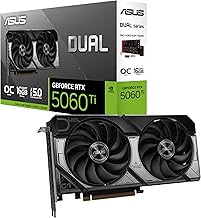
ASUS Dual RTX 5060 Ti (16GB)
A quiet, compact NVIDIA card with a generous 16GB buffer, DLSS 4, and 0dB fan tech. A smart mainstream pick with future-proof VRAM for 1440p.
ASUS Dual Radeon RX 9060 XT (16GB)
A cool, efficient 16GB Radeon card ideal for high-refresh 1080p and capable 1440p gaming, offering strong value for mainstream builds.
GIGABYTE RTX 5060 WINDFORCE OC (8GB)
An affordable entry into the current generation, strong for high-refresh 1080p with DLSS support in compatible games. A great budget-conscious upgrade.
Frequently Asked Questions
Which card is best for 1440p gaming?
The Radeon RX 9070 XT models lead for 1440p, with the RTX 5060 Ti and RX 9060 XT (both 16GB) as excellent, more affordable 1440p performers.
Is 16GB of VRAM worth it?
Yes. 16GB gives comfortable headroom for 1440p, high-res textures, and future games, making it a smart, future-proof choice over 8GB cards.
Should I choose AMD or NVIDIA?
NVIDIA excels at ray tracing and DLSS upscaling; AMD often offers better raw performance per dollar. Pick based on the features and games you value most.
Do these cards run quietly?
Many, like the ASUS Dual models, use 0dB fan technology that stops the fans at low loads for silent desktop use, spinning up only under gaming loads.
Final Thoughts
The best GPU is the one that matches your resolution and budget. The Radeon RX 9070 XT cards lead for 1440p performance, the RTX 5060 Ti and RX 9060 XT hit the value sweet spot with 16GB of VRAM, and the RTX 5060 is a strong 1080p pick. Decide on your target resolution, weigh ray tracing against rasterization value, and you’ll land on the right graphics card from this lineup.