Key takeaways
- Performance Tier: Determine your target resolution and refresh rate. Higher tiers like the RTX 5080 are ideal for 4K gaming at high refresh rates, while the RTX 5060 is more suited for 1440p or high-refresh 1080p.
- VRAM Capacity: For modern AAA titles and creative applications, 12GB or more of GDDR7 VRAM is becoming increasingly important for higher resolutions and complex textures.
- Cooling Solution: Consider the cooler design. Triple-fan configurations generally offer better thermal performance and quieter operation, crucial for sustained loads.
- Power Consumption & PSU: RTX 50-series cards can be power-hungry. Ensure your existing power supply unit (PSU) meets the recommended wattage and has the necessary connectors.
- Budget: Graphics card prices can vary significantly. Set a realistic budget that aligns with the performance you expect to achieve.
What's inside
Navigating the latest graphics card releases can be a daunting task for any gamer or creator. With the introduction of Nvidia’s RTX 50-series, powered by the cutting-edge Blackwell architecture, discerning the right GPU for your specific needs and budget requires a clear understanding of performance, features, and value. The landscape is rapidly evolving, and making an informed decision is paramount to unlocking the full potential of modern gaming and demanding creative workflows.
This guide aims to simplify that process. We’ve meticulously researched and evaluated the top contenders within the Nvidia GeForce RTX 50-series lineup, focusing on their strengths, ideal use cases, and overall value proposition. Whether you’re a competitive esports player seeking the highest frame rates, a visual effects artist demanding raw rendering power, or a sim enthusiast craving unparalleled visual fidelity, this roundup will help you pinpoint the perfect RTX 50-series graphics card to elevate your experience.
As an Amazon Associate we earn from qualifying purchases at no extra cost to you. Product prices and availability are accurate as of the date shown and are subject to change.


🎮 Get More From Your Setup — Free
Prime Gaming gives you free PC games every month, in-game loot, and a free Twitch channel sub — plus fast free shipping on all the gear above. New members get a 30-day free trial.
Watch: Nvidia Geforce Rtx 50-series: Review & Buyer’s Guide — Video Review
How to Choose a Nvidia Geforce Rtx 50-series
- Performance Tier: Determine your target resolution and refresh rate. Higher tiers like the RTX 5080 are ideal for 4K gaming at high refresh rates, while the RTX 5060 is more suited for 1440p or high-refresh 1080p.
- VRAM Capacity: For modern AAA titles and creative applications, 12GB or more of GDDR7 VRAM is becoming increasingly important for higher resolutions and complex textures.
- Cooling Solution: Consider the cooler design. Triple-fan configurations generally offer better thermal performance and quieter operation, crucial for sustained loads.
- Power Consumption & PSU: RTX 50-series cards can be power-hungry. Ensure your existing power supply unit (PSU) meets the recommended wattage and has the necessary connectors.
- Budget: Graphics card prices can vary significantly. Set a realistic budget that aligns with the performance you expect to achieve.
The Best Nvidia Geforce Rtx 50-series Reviewed
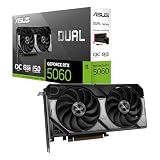
ASUS Dual NVIDIA GeForce RTX 5060 8GB GDDR7 OC Edition
This ASUS Dual RTX 5060 is a solid entry-level option for 1440p gaming, featuring the new GDDR7 memory for improved bandwidth. Its compact 2.5-slot design makes it compatible with a wider range of PC builds.
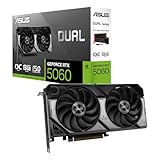
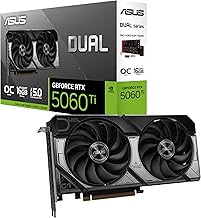
ASUS Dual NVIDIA GeForce RTX 5060 Ti 16GB GDDR7 OC Edition
Stepping up from the standard 5060, this Ti variant offers double the VRAM with 16GB of GDDR7, making it a more future-proof choice for demanding titles and multitasking. The Axial-tech fan design ensures efficient cooling.
PNY NVIDIA GeForce RTX 5080 Epic-X ARGB OC Triple Fan
The RTX 5080 represents a significant leap in performance, ideal for high-end 4K gaming and professional content creation. Its robust triple-fan cooler and ARGB lighting add both thermal efficiency and aesthetic appeal.
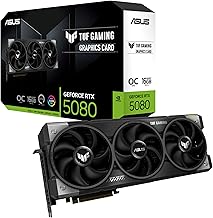
ASUS TUF Gaming NVIDIA GeForce RTX 5070 12GB GDDR7 OC Edition
The TUF Gaming RTX 5070 strikes an excellent balance between performance and price, offering substantial gains for 1440p and entry-level 4K gaming. The military-grade components ensure durability and longevity.
GIGABYTE GeForce RTX 5070 Eagle OC ICE SFF 12G
This GIGABYTE Eagle OC ICE model provides a compact Small Form Factor (SFF) option for the RTX 5070, making it suitable for smaller builds without sacrificing significant performance. The WINDFORCE cooling system is a reliable performer.
Frequently Asked Questions
What is the primary advantage of the RTX 50-series over previous generations?
The RTX 50-series, powered by the Blackwell architecture, offers significant improvements in raw performance, ray tracing capabilities, and AI-driven features like DLSS 4, providing higher frame rates and enhanced visual fidelity.
Is 8GB of GDDR7 VRAM enough for the RTX 5060?
For 1080p gaming and many 1440p titles, 8GB of GDDR7 is generally sufficient. However, for higher resolutions, demanding textures, or future-proofing, models with more VRAM like the RTX 5060 Ti or RTX 5070 are recommended.
Do I need a new power supply for an RTX 50-series card?
It’s highly recommended to check the recommended PSU wattage for the specific RTX 50-series card you are considering. High-end models, especially the RTX 5080, can require substantial power, potentially necessitating an upgrade to a higher-wattage PSU.
How does DLSS 4 impact gaming performance?
DLSS 4 utilizes AI to upscale lower-resolution images to a higher resolution in real-time, significantly boosting frame rates with minimal perceived loss in visual quality. It’s a crucial technology for achieving playable frame rates with ray tracing enabled.
Final Thoughts
For a premium 4K gaming and creator experience, the PNY NVIDIA GeForce RTX 5080 Epic-X ARGB OC Triple Fan stands out. If you’re seeking an excellent balance for 1440p and solid 4K performance, the ASUS TUF Gaming NVIDIA GeForce RTX 5070 12GB GDDR7 OC Edition is a top-tier choice. For budget-conscious gamers looking for strong 1440p performance, the ASUS Dual NVIDIA GeForce RTX 5060 8GB GDDR7 OC Edition is a compelling option.