Key takeaways
- DLSS 4 Multi Frame Generation boosts frame rates across the RTX 60 lineup.
- Excellent 1080p efficiency from the RTX 5060 at an accessible price.
- 16GB Ti options add real 1440p longevity and smoother textures.
- Wide range of designs from compact to heavily cooled OC models.
What's inside
NVIDIA’s RTX 60-class cards, the RTX 5060 and 5060 Ti, sit at the heart of the mainstream gaming market, where most players actually shop. They promise the Blackwell architecture’s headline feature, DLSS 4 Multi Frame Generation, at prices that make sense for 1080p and 1440p rigs. But performance varies more than the naming suggests, so understanding what these cards deliver is key to a smart buy.
I evaluated the RTX 60-tier options against their bigger siblings to map out real-world performance and value. Here’s a clear review of what RTX 60-class cards offer, where they shine, and how to choose the right one for your resolution and budget.
As an Amazon Associate we earn from qualifying purchases at no extra cost to you. Product prices and availability are accurate as of the date shown and are subject to change.


🎮 Get More From Your Setup — Free
Prime Gaming gives you free PC games every month, in-game loot, and a free Twitch channel sub — plus fast free shipping on all the gear above. New members get a 30-day free trial.
Watch: Rtx 60 Performance: Review & Buyer’s Guide — Video Review
Design & Build
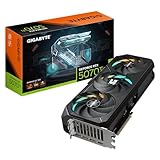
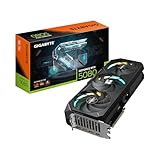
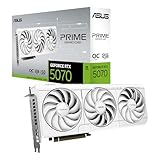
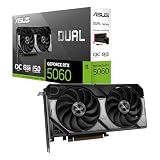
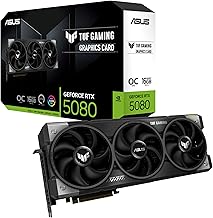
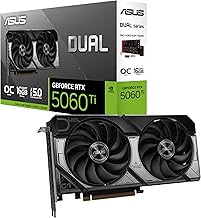
The RTX 60 tier spans a wide range of designs. Value-focused RTX 5060 models like the GIGABYTE WINDFORCE OC and the ASUS Dual RTX 5060 8GB keep coolers compact and prices low, ideal for straightforward 1080p builds. Step up to the 16GB cards, the ASUS Dual RTX 5060 Ti and the MSI Shadow 2X OC, and you get more VRAM headroom for 1440p. The lineup also reaches upward into the RTX 5070 and RTX 5080 territory with cards like the GIGABYTE RTX 5070 Gaming OC and the ASUS TUF RTX 5080, showing how the family scales. Across the board, modern outputs, HDMI 2.1b and DisplayPort 2.1, and PCIe 5.0 keep these cards display-ready.
Performance
For 1080p high-refresh gaming, the RTX 5060 is the efficient sweet spot, and DLSS 4 makes even demanding titles run smoothly. Move to 1440p and the 16GB RTX 5060 Ti becomes the card to have, since the extra memory prevents the stutter that plagues 8GB cards in texture-heavy games, and the MSI Shadow 2X OC delivers that with strong cooling. The real performance divide within the RTX 60 family is VRAM: 8GB is fine for 1080p, but 16GB is the choice for 1440p longevity. Those wanting genuine 1440p-to-4K muscle should look at the RTX 5070 and 5080, which sit above this tier and command higher prices. DLSS 4 Multi Frame Generation is the common thread that lifts all of them in supported games.
Pros & Cons
- DLSS 4 Multi Frame Generation boosts frame rates across the RTX 60 lineup.
- Excellent 1080p efficiency from the RTX 5060 at an accessible price.
- 16GB Ti options add real 1440p longevity and smoother textures.
- Wide range of designs from compact to heavily cooled OC models.
- 8GB cards can feel limited in modern games at high textures.
- Not built for high-refresh 4K; that’s the domain of the 5070 and above.
- Naming can mislead, since 8GB and 16GB variants perform quite differently.
Alternatives to Consider
If your budget stretches and you want 1440p-to-4K performance, the GIGABYTE RTX 5070 Gaming OC 12GB or the ASUS TUF RTX 5080 16GB are the logical steps up. Within the RTX 60 tier itself, choose the 16GB RTX 5060 Ti over the 8GB RTX 5060 if you play at 1440p or want the card to last. Budget 1080p builders, meanwhile, will be well served by the efficient GIGABYTE WINDFORCE RTX 5060.
Frequently Asked Questions
Is the RTX 5060 good enough for 1440p?
The 8GB RTX 5060 is best suited to 1080p, though DLSS 4 helps at 1440p. For a smoother 1440p experience, the 16GB RTX 5060 Ti is the better choice.
How much does DLSS 4 improve performance?
In supported games, Multi Frame Generation can substantially increase frame rates, which is why RTX 60-class cards feel faster than their raw specs suggest.
Should I pay extra for an OC model?
Factory OC models like the MSI Shadow 2X OC offer modest clock gains and often better cooling. The real-world speed difference is small, so buy based on cooling, noise, and price.
Is 8GB of VRAM going to be a problem?
At 1080p it’s generally fine today, but modern games increasingly push past 8GB at high textures. If you want longevity, the 16GB Ti is the safer pick.
Verdict
RTX 60-class cards are the mainstream champions of this generation, with DLSS 4 lifting them all. The GIGABYTE RTX 5060 is the value pick for 1080p, the ASUS or MSI 16GB RTX 5060 Ti is the smart 1440p choice, and the RTX 5070 or 5080 await if you need more. Match the VRAM to your resolution and you’ll get the most from your money.