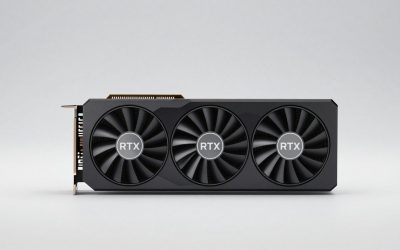
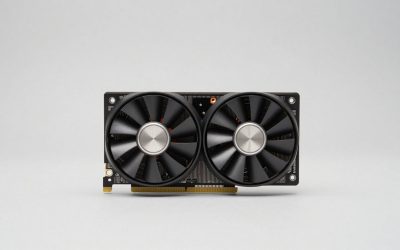
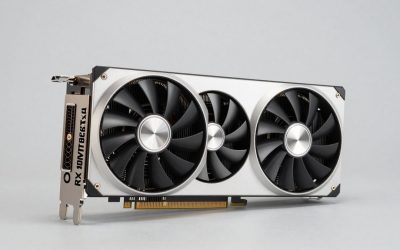
The landscape of PC gaming hardware is constantly evolving, and for many enthusiasts, the graphics card is the undisputed heart of their system. With each new generation, the promise of higher frame rates, more immersive visuals, and cutting-edge features like ray tracing and AI-powered upscaling becomes a tangible reality. However, navigating the sheer volume of options and understanding the nuances of different models can be a daunting task. This guide aims to cut through the noise, providing you with a clear, expert-backed overview of the best NVIDIA GeForce RTX 50 series graphics cards available.
Whether you’re a seasoned builder looking to upgrade or a newcomer to the world of high-performance gaming, understanding which RTX 50 card best suits your needs and budget is crucial. We’ll break down the key considerations, highlight top performers, and answer your most pressing questions to ensure you make an informed decision that will elevate your gaming experience for years to come.
Our top picks
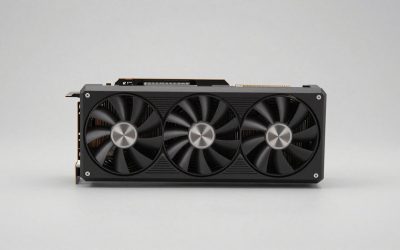
 GIGABYTE GeForce RTX 5060 WINDFORCE OC 8G
- Powered by the NVIDIA Blackwell architecture and DLSS…
- Powered by GeForce RTX 5060
- Integrated with 8GB GDDR7 128bit memory interface
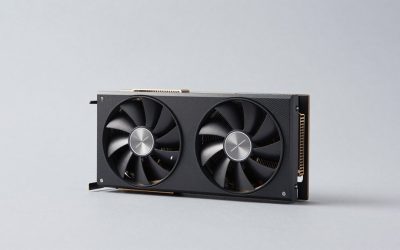
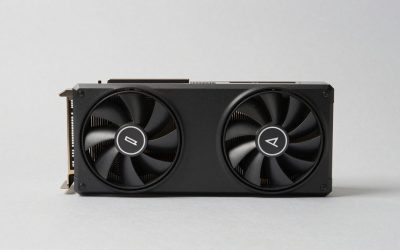
 ASUS Dual NVIDIA GeForce RTX 5060 8GB
2.5-slot design balances cooling performance with case compatibility
0dB technology keeps the card silent during light gaming sessions
3-year warranty gives extended coverage versus many competing cards
8GB of GDDR7 memory trails higher-tier RTX 5060 Ti or 5070 cards
OC mode clock gains over default mode are relatively modest
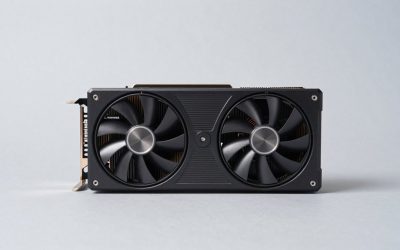
 ASUS Dual NVIDIA GeForce RTX 5060 Ti
2.5-slot design balances cooling with broader case compatibility
0dB technology keeps the card silent during light gaming loads
Axial-tech fan design is built for improved downward air pressure
OC mode clock gains over default mode are relatively modest
2.5-slot sizing still needs adequate case clearance to fit
| Product | Key specs | |
|---|---|---|
| GIGABYTE GeForce RTX 5060 WINDFORCE OC 8G | Powered by the NVIDIA Blackwell architecture and DLSS… Powered by GeForce RTX 5060 Integrated with 8GB GDDR7 128bit memory interface | Check price |
| ASUS Dual NVIDIA GeForce RTX 5060 8GB | Check price | |
| ASUS Dual NVIDIA GeForce RTX 5060 Ti | Check price | |
 ASUS TUF Gaming GeForce RTX™ 5080 16GB | Powered by the NVIDIA Blackwell architecture and DLSS… Military-grade components deliver rock-solid power and longer lifespan… Protective PCB coating helps protect against short circuits… | Check price |
 GIGABYTE GeForce RTX 5070 Gaming OC 12G | Powered by the NVIDIA Blackwell architecture and DLSS… Powered by GeForce RTX 5070 Integrated with 12GB GDDR7 192bit memory interface | Check price |
 GIGABYTE GeForce RTX 5070 Ti Gaming OC | Powered by the NVIDIA Blackwell architecture and DLSS… Powered by GeForce RTX 5070 Ti Integrated with 16GB GDDR7 256bit memory interface | Check price |
 PNY NVIDIA GeForce RTX™ 5080 Epic-X™ ARGB | Axial-Fan Tech Built to Endure - Triple 100mm… Masterfully Crafted Cooling - Advanced vapor chamber and… Epic-X ARGB Lighting 2.0 - Craft your command… | Check price |
 GIGABYTE GeForce RTX 5080 Gaming OC 16G | Powered by the NVIDIA Blackwell architecture and DLSS… Powered by GeForce RTX 5080 Integrated with 16GB GDDR7 256bit memory interface | Check price |
As an Amazon Associate we earn from qualifying purchases at no extra cost to you.
🎮 Get More From Your Setup — Free
Prime Gaming gives you free PC games every month, in-game loot, and a free Twitch channel sub — plus fast free shipping on all the gear above. New members get a 30-day free trial.
Watch: Rtx 50 Graphics Card: Review & Buyer’s Guide — Video Review
How to Choose an RTX 50 Graphics Card
- Performance Tier: Determine your target resolution (1080p, 1440p, 4K) and desired frame rates. Higher resolutions and refresh rates demand more powerful GPUs.
- VRAM: For modern AAA titles and future-proofing, 8GB is the minimum, with 12GB or more being increasingly beneficial, especially at higher resolutions.
- Cooling Solution: Effective cooling ensures sustained performance and longevity. Look for robust heatsinks, multiple fans, and reputable brands known for their thermal management.
- Power Requirements: Ensure your power supply unit (PSU) meets the recommended wattage for your chosen card. PCIe 5.0 cards can be power-hungry.
- Budget: RTX 50 series cards span a range of price points. Balance your desired performance with your financial constraints to find the best value.
The Best RTX 50 Graphics Cards Reviewed
GIGABYTE GeForce RTX 5060 WINDFORCE OC 8G
The GIGABYTE RTX 5060 WINDFORCE OC 8G offers a compelling entry point into the RTX 50 series, balancing capable 1080p performance with efficient cooling and overclocking potential for a smooth gaming experience.
ASUS Dual NVIDIA GeForce RTX 5060 8GB GDDR7 OC
ASUS’s Dual RTX 5060 is a well-rounded option featuring their Axial-tech fan design for excellent thermal performance and a factory overclock for a slight edge in frame rates, making it a solid choice for mainstream gamers.
ASUS Dual NVIDIA GeForce RTX 5060 Ti 16GB GDDR7 OC
The RTX 5060 Ti with 16GB of GDDR7 VRAM provides a significant memory advantage, making it ideal for demanding titles at higher resolutions or for users who prioritize ample headroom for textures and future games.
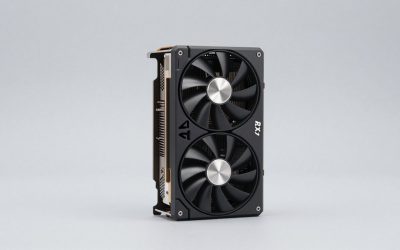
GIGABYTE GeForce RTX 5070 Eagle OC ICE SFF 12G
Designed for compact builds, the GIGABYTE RTX 5070 Eagle OC ICE SFF 12G delivers potent 1440p and entry-level 4K performance in a smaller form factor, without compromising on the impressive WINDFORCE cooling.
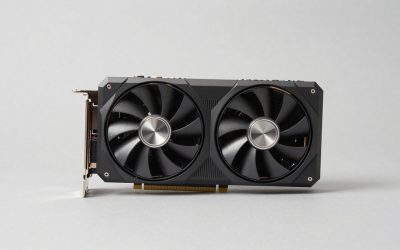
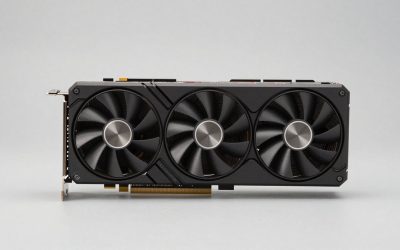
GIGABYTE GeForce RTX 5070 Gaming OC 12G
The GIGABYTE RTX 5070 Gaming OC 12G is a powerhouse for 1440p gaming and beyond, featuring a robust WINDFORCE cooling system that ensures this 12GB GDDR7 card can maintain high clock speeds for extended gaming sessions.
Frequently Asked Questions
What is GDDR7 memory?
GDDR7 is the latest generation of graphics memory, offering significantly higher bandwidth and lower power consumption compared to previous GDDR6X, leading to improved performance in graphics-intensive applications.
Is PCIe 5.0 important for RTX 50 cards?
While RTX 50 series cards are built for PCIe 5.0, most current games do not saturate the bandwidth of PCIe 4.0. However, it offers future-proofing for increasingly data-intensive games and applications.
How much VRAM do I need for 1440p gaming?
For 1440p gaming, 12GB of VRAM is generally recommended for modern titles to ensure smooth performance and high-quality texture loading without stuttering.
What is DLSS 4?
DLSS 4 (Deep Learning Super Sampling) is NVIDIA’s AI-powered upscaling technology that renders games at a lower resolution and uses AI to reconstruct a higher-resolution image, boosting frame rates with minimal visual quality loss.
Final Thoughts
For a balance of performance and value, the GIGABYTE GeForce RTX 5060 WINDFORCE OC 8G and the ASUS Dual NVIDIA GeForce RTX 5060 8GB GDDR7 OC are excellent starting points. If your budget allows for higher resolutions or future-proofing, the GIGABYTE GeForce RTX 5070 Gaming OC 12G stands out as a top-tier performer for demanding 1440p and 4K gaming experiences.