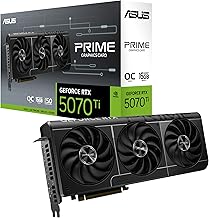
Key takeaways
- Performance: The 5080 leads the 5070 Ti by roughly 15-25% at 4K, and that margin is most visible in ray-traced and high-refresh scenarios.
- Memory: Both use 16GB GDDR7 on a 256-bit bus, so VRAM capacity is identical; the 5080’s advantage is core count and bandwidth from higher clocks, not buffer size.
- Price: The 5080 sits a large tier above the 5070 Ti, and that gap is the central factor in the decision.
- Power and efficiency: The 5080 draws notably more, demanding a stronger PSU and better case airflow than the more efficient 5070 Ti.
- Features: Both support DLSS 4 and Multi Frame Generation identically, so software capabilities are the same.
- Value: The 5070 Ti offers far better performance per dollar, while the 5080 charges a premium for diminishing returns at the top end.
What's inside
The RTX 5080 and RTX 5070 Ti are the two cards enthusiasts weigh when they want serious 4K performance without stepping all the way up to a flagship. Both are Blackwell GPUs with 16GB of GDDR7 on a 256-bit bus, so the frame buffer is matched, but the 5080 carries substantially more CUDA cores and higher clocks, and it commands a much larger price to match.
In 2026 this comparison is really about how much you are willing to pay for the last slice of 4K performance. Ray tracing is heavier than ever and high-refresh 4K monitors are common, so the extra horsepower of the 5080 is genuinely usable, yet the 5070 Ti already delivers a superb 4K experience for a lot less. The decision hinges on your monitor, your budget ceiling, and how much you value maxed-out settings.
As an Amazon Associate we earn from qualifying purchases at no extra cost to you. Product prices and availability are accurate as of the date shown and are subject to change.




⚡ Save on Your Next PC — Amazon Prime
Prime members get fast free shipping on the systems above, plus early access to Prime Day & Black Friday PC deals. New members get a 30-day free trial.
Watch: RTX 5080 vs 5070 Ti: Worth It in 2026? — Video Review
Quick Verdict
The RTX 5070 Ti is the value pick that already delivers excellent 4K gaming for most players, while the RTX 5080 is for enthusiasts chasing the highest 4K frame rates and heaviest ray tracing who accept a steep price premium for that extra performance.
Key Differences
- Performance: The 5080 leads the 5070 Ti by roughly 15-25% at 4K, and that margin is most visible in ray-traced and high-refresh scenarios.
- Memory: Both use 16GB GDDR7 on a 256-bit bus, so VRAM capacity is identical; the 5080’s advantage is core count and bandwidth from higher clocks, not buffer size.
- Price: The 5080 sits a large tier above the 5070 Ti, and that gap is the central factor in the decision.
- Power and efficiency: The 5080 draws notably more, demanding a stronger PSU and better case airflow than the more efficient 5070 Ti.
- Features: Both support DLSS 4 and Multi Frame Generation identically, so software capabilities are the same.
- Value: The 5070 Ti offers far better performance per dollar, while the 5080 charges a premium for diminishing returns at the top end.
RTX 5070 Ti: The Smart 4K Value
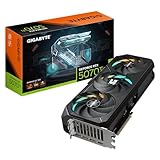
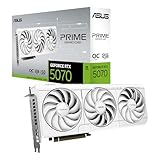
The RTX 5070 Ti, in strong cards like the GIGABYTE RTX 5070 Ti Gaming OC and the MSI Ventus 3X OC, already delivers a genuinely great 4K experience with its 16GB buffer and 256-bit bus. For the large majority of gamers, it hits high frame rates at 4K with DLSS 4 and handles ray tracing well, all while running cooler and cheaper than the 5080.
Because it shares the same VRAM capacity as the 5080, the 5070 Ti will not run into memory limits any sooner, which makes its value proposition especially compelling. What you give up is the top slice of raw performance, most noticeable if you own a 4K 240Hz panel or insist on maxed ray tracing in the most demanding titles.
RTX 5080: Maximum 4K Without the Flagship Price
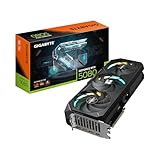
The RTX 5080, in premium designs like the ASUS ROG Astral RTX 5080 OC and the ASUS TUF Gaming RTX 5080 OC, is the card for enthusiasts who want the highest 4K frame rates short of NVIDIA’s flagship. Its additional CUDA cores and higher clocks translate into a real lead in ray-traced games and high-refresh 4K, making it the natural partner for a top-tier monitor.
That performance carries a much higher price and power draw, so it is best suited to buyers with the budget headroom and a system built to feed it, including a strong CPU and a capable PSU. For anyone whose 4K needs are already met, that premium buys smaller gains than the price gap suggests.
Which Should You Buy?
- For value-focused 4K gaming: pick the RTX 5070 Ti because it delivers most of the experience at a much lower price.
- For maximum 4K frame rates: pick the RTX 5080 because its extra cores push the highest numbers in demanding games.
- For a 4K 240Hz monitor: pick the RTX 5080 because its headroom helps saturate a high-refresh 4K panel.
- For heavy ray tracing at 4K: pick the RTX 5080 because its added horsepower softens the RT performance hit.
- For a cooler, quieter, cheaper build: pick the RTX 5070 Ti because it uses less power and costs far less while still excelling at 4K.
Frequently Asked Questions
Is the RTX 5080 worth the price premium over the 5070 Ti?
Only if you want the absolute highest 4K frame rates or run a 4K 240Hz display. For most 4K gamers, the 5070 Ti delivers a superb experience for substantially less money.
Do the RTX 5080 and 5070 Ti have the same amount of VRAM?
Yes, both carry 16GB of GDDR7 on a 256-bit bus, so neither will hit a memory wall before the other; the 5080’s edge is core count and clocks.
Will the RTX 5070 Ti handle 4K well in 2026?
Absolutely. With DLSS 4 it delivers high frame rates at 4K in most titles and manages ray tracing capably, which is why it is such a strong value.
Does the RTX 5080 need a bigger power supply?
Yes. Its higher power draw calls for a stronger PSU and good case airflow, whereas the more efficient 5070 Ti is easier to power and cool.
Final Verdict
Choose the RTX 5070 Ti for the best 4K value with the same 16GB buffer and lower cost; step up to the RTX 5080 only if you want the highest 4K frame rates, run a high-refresh 4K monitor, or demand maxed ray tracing and have the budget to match.