Key takeaways
- VRAM capacity: 8GB is the minimum for modern titles at 1080p; 12GB–16GB is recommended for 1440p and 4K gaming with high-res textures.
- PCIe generation and slot fit: Confirm your motherboard supports the card’s PCIe version and that your case has clearance for multi-slot coolers.
- Power supply requirements: High-end cards like the RTX 5060 Ti, RX 9070 XT, and RTX 5070 demand adequate PSU wattage and the correct connector types.
- Resolution and refresh rate targets: Match GPU horsepower to your monitor; a budget card is wasted on a 4K 144Hz display, and vice versa.
- Ray tracing and upscaling support: Features like DLSS 4 and FSR meaningfully boost frame rates in newer games without sacrificing much visual fidelity.
What's inside
Choosing the best video card for gaming in 2026 means wading through confusing model numbers, VRAM specs, and generational leaps that don’t always translate into real-world performance gains. Whether you’re building a budget rig, upgrading an aging system, or chasing 4K frame rates, picking the wrong GPU can mean bottlenecked performance, driver headaches, or simply overspending on power you don’t need.
This guide breaks down the top graphics cards on the market right now, from entry-level and legacy options to high-end 4K powerhouses, plus a capture card for streamers who want to record and share their gameplay. We’ll walk through what actually matters when shopping for a GPU, review our top picks in detail, and answer the most common questions buyers have before checking out.
As an Amazon Associate we earn from qualifying purchases at no extra cost to you. Product prices and availability are accurate as of the date shown and are subject to change.


🎮 Get More From Your Setup — Free
Prime Gaming gives you free PC games every month, in-game loot, and a free Twitch channel sub — plus fast free shipping on all the gear above. New members get a 30-day free trial.
Watch: Best What Video Card Is Best For Gaming — Video Review
How to Choose a Video Card That’s Best For Gaming (2026)
- VRAM capacity: 8GB is the minimum for modern titles at 1080p; 12GB–16GB is recommended for 1440p and 4K gaming with high-res textures.
- PCIe generation and slot fit: Confirm your motherboard supports the card’s PCIe version and that your case has clearance for multi-slot coolers.
- Power supply requirements: High-end cards like the RTX 5060 Ti, RX 9070 XT, and RTX 5070 demand adequate PSU wattage and the correct connector types.
- Resolution and refresh rate targets: Match GPU horsepower to your monitor; a budget card is wasted on a 4K 144Hz display, and vice versa.
- Ray tracing and upscaling support: Features like DLSS 4 and FSR meaningfully boost frame rates in newer games without sacrificing much visual fidelity.
The Best Video Cards That Are Best For Gaming (2026) Reviewed
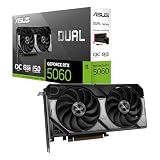
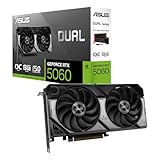
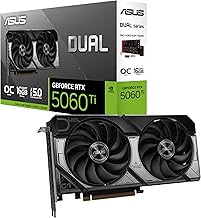
ASUS Dual RTX 5060 Ti 16GB OC Edition
The RTX 5060 Ti strikes an excellent balance for 1440p gamers, with 16GB of GDDR7 memory and DLSS 4 support ensuring it won’t feel outdated in a year or two. Its 0dB fan mode and axial-tech cooling make it a quiet, reliable daily driver.
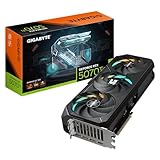
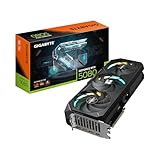
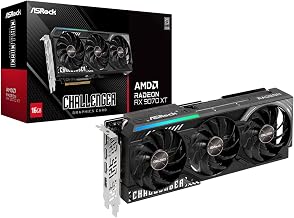
GIGABYTE Radeon RX 9070 XT Gaming OC 16G
AMD’s RX 9070 XT delivers strong 1440p-to-4K performance with 16GB of GDDR6 and PCIe 5.0 support, making it a compelling alternative for gamers who prioritize raw rasterization performance per dollar. The Gaming OC cooler keeps temperatures in check even under sustained load.
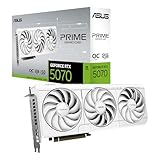
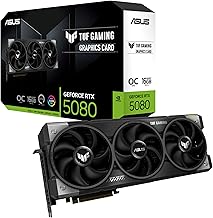
ASUS TUF Gaming RTX 5070 12GB OC Edition
Built with military-grade components and a protective PCB coating, the TUF RTX 5070 is designed for longevity as much as performance. It handles 1440p high-refresh gaming with ease and offers solid headroom for ray-traced titles.
QTHREE GeForce GT 210 1GB Low Profile
This isn’t a gaming card in the modern sense—it’s a low-power, low-profile solution for HTPCs, office builds, or reviving an older SFF system that just needs basic video output. Don’t expect to run current titles on it.
Kelinx AISURIX RX 580 8GB
The RX 580 remains a capable budget option for 1080p esports titles and older AAA games, offering real 8GB of GDDR5 memory at a price point that’s hard to beat for entry-level builds.
Frequently Asked Questions
How much VRAM do I actually need for gaming in 2026?
For 1080p, 8GB is sufficient for most titles. For 1440p or 4K with high-res texture packs, aim for 12GB or more to avoid stuttering and texture pop-in.
Is the RX 580 still worth buying in 2026?
It’s a solid choice for budget 1080p gaming or older titles, but newer, more efficient cards will offer better performance-per-watt if your budget allows it.
Do I need a capture card if my GPU can already record gameplay?
A dedicated capture card like the 4K HDMI USB 3.0 model offloads recording from your GPU, reducing performance hits during streaming and enabling capture from consoles like the PS5 or Xbox.
What’s the difference between the RTX 5060 Ti, RTX 5070, and RX 9070 XT?
The RTX 5060 Ti is the most affordable of the three, the RTX 5070 offers a step up in raw performance with premium build quality, and the RX 9070 XT competes closely with both while emphasizing rasterization performance and value.
Final Thoughts
For most gamers in 2026, the ASUS TUF Gaming RTX 5070 and GIGABYTE Radeon RX 9070 XT offer the best blend of performance, durability, and future-proofing, while the ASUS RTX 5060 Ti remains the smart pick for those balancing budget with 1440p ambitions.