Key takeaways
- VRAM capacity: 8GB is the practical minimum for modern 1080p titles with high-res textures; 4GB cards are fine only for older or less demanding games.
- Architecture generation: Newer GPUs (RTX 50-series, RDNA 3) offer better efficiency, ray tracing, and upscaling support than older cards, even at similar core counts.
- Power and PSU compatibility: Check the card’s TDP and required connectors against your power supply before buying to avoid stability issues or the need for a PSU upgrade.
- Upscaling and frame generation: Features like DLSS 4 or FSR can significantly boost frame rates at 1080p, letting a mid-range card punch above its weight in newer games.
- Cooling and case fit: Dual or triple-fan coolers with 0dB idle modes run quieter and cooler, but confirm the card’s length and slot width fit your case before ordering.
What's inside
Choosing a graphics card for 1080p gaming in 2026 means wading through confusing model numbers, outdated architectures still sitting on shelves, and marketing claims that don’t always translate to real-world frame rates. With ray tracing, DLSS 4, and increasingly demanding game engines becoming the norm, not every “budget” GPU can actually hold a steady 60fps or higher at 1080p, and picking the wrong one wastes money on a card that bottlenecks before it ever gets pushed hard.
This guide breaks down the best graphics cards for 1080p gaming right now, from ultra-budget options for basic and older-title gaming to modern RTX and RDNA 3 cards built for high refresh rates and ray tracing. We’ll also cover what specs actually matter, answer common buyer questions, and point out a useful accessory for anyone running a heavier card.
As an Amazon Associate we earn from qualifying purchases at no extra cost to you. Product prices and availability are accurate as of the date shown and are subject to change.




🎮 Get More From Your Setup — Free
Prime Gaming gives you free PC games every month, in-game loot, and a free Twitch channel sub — plus fast free shipping on all the gear above. New members get a 30-day free trial.
Watch: Best GPU For 1080p Gaming — Video Review
How to Choose a GPU For 1080p Gaming (2026)
- VRAM capacity: 8GB is the practical minimum for modern 1080p titles with high-res textures; 4GB cards are fine only for older or less demanding games.
- Architecture generation: Newer GPUs (RTX 50-series, RDNA 3) offer better efficiency, ray tracing, and upscaling support than older cards, even at similar core counts.
- Power and PSU compatibility: Check the card’s TDP and required connectors against your power supply before buying to avoid stability issues or the need for a PSU upgrade.
- Upscaling and frame generation: Features like DLSS 4 or FSR can significantly boost frame rates at 1080p, letting a mid-range card punch above its weight in newer games.
- Cooling and case fit: Dual or triple-fan coolers with 0dB idle modes run quieter and cooler, but confirm the card’s length and slot width fit your case before ordering.
The Best GPU For 1080p Gaming (2026)s Reviewed
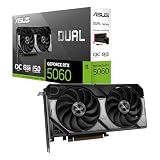
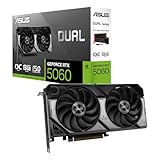
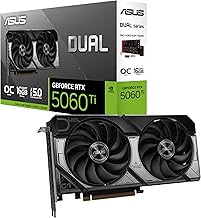
ASUS Dual RTX 5060 OC 8GB
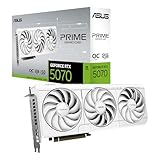
The clear top pick for most 1080p gamers in 2026, this card pairs 8GB of fast GDDR7 with DLSS 4 support, giving it plenty of headroom for high refresh rates and ray-traced titles well into the future. The 0dB fan mode and compact axial-tech cooler make it a smart choice for smaller builds that still want serious performance.
GIGABYTE RTX 5060 Gaming OC 8G
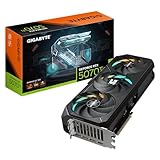
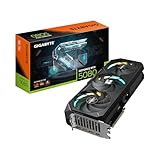
Nearly identical in performance to the ASUS variant, GIGABYTE’s WINDFORCE cooling system keeps temperatures low under sustained load, making this a great alternative if you prefer a slightly different aesthetic or find it at a better price. It’s an easy recommendation for anyone building a new 1080p rig from scratch.
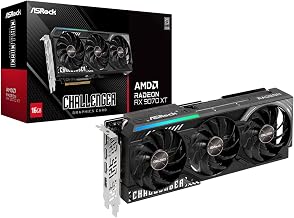
ASRock Radeon RX 7600 Challenger 8GB OC
A strong RDNA 3 option for gamers who prefer AMD, the RX 7600 Challenger delivers reliable 1080p performance with 8GB of GDDR6 and a quiet dual-fan design. It’s particularly well-suited to competitive shooters and esports titles where high frame rates matter more than ray tracing bells and whistles.
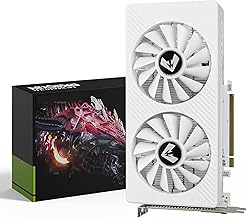
Kelinx AISURIX RX 580 8GB
This is a budget-friendly pick for gamers on older platforms or tighter budgets who just need solid 1080p performance in less demanding or slightly older titles. Its 8GB buffer helps it age better than most cards in its price range, though don’t expect to max out ray tracing-heavy 2026 releases.
SOYO GeForce GT 740 4GB
Best reserved for light gaming, older titles, or as a display upgrade for a slim office PC, the GT 740’s low-profile design and modest power draw make it ideal for small-form-factor builds rather than serious 1080p gaming. Treat this as an entry point, not a long-term gaming solution.
Frequently Asked Questions
Is 8GB of VRAM enough for 1080p gaming in 2026?
Yes, for the vast majority of current and upcoming titles, 8GB is sufficient at 1080p, especially with upscaling technologies like DLSS 4 reducing the rendering load. Cards with less than 8GB, like 4GB options, are better suited to older or less graphically intensive games.
Do I need ray tracing support for 1080p gaming?
Ray tracing isn’t strictly necessary at 1080p, but modern cards like the RTX 5060 handle it comfortably thanks to dedicated hardware and DLSS support, making it a nice bonus rather than a requirement. If ray tracing isn’t a priority, RDNA 3 cards like the RX 7600 offer excellent value.
Will an older GPU like the RX 580 still work well in 2026?
Older cards like the RX 580 can still handle esports titles and older games reasonably well, but they’ll struggle with newer, more demanding releases at higher settings. They’re best suited for budget builds or as a temporary upgrade rather than a long-term solution.
Do I need a GPU support bracket?
Larger, heavier cards can sag over time, potentially stressing the PCIe slot and affecting airflow, so a support bracket like the TGDGAMER ARGB bracket is a cheap and effective way to keep your card level. It’s a particularly good idea for dual- or triple-fan cards mounted vertically or in cases with heavy horizontal GPU orientation.
Final Thoughts
For most 1080p gamers building or upgrading in 2026, the ASUS Dual RTX 5060 OC and GIGABYTE RTX 5060 Gaming OC are the strongest overall picks thanks to their modern architecture, DLSS 4 support, and quiet cooling. If you’re on Team Red or prioritizing value, the ASRock RX 7600 Challenger is an excellent alternative that still delivers smooth, high-refresh 1080p performance.