Key takeaways
- Rasterization performance: The RX 9070 XT generally leads in traditional raster workloads at 1440p, delivering strong frame rates for the money.
- Ray tracing: The RTX 5070 pulls ahead once ray tracing is enabled, where NVIDIA’s RT cores remain more efficient.
- Memory: The 9070 XT’s 16GB GDDR6 on a 256-bit bus outsizes the 5070’s 12GB GDDR7, giving AMD more texture headroom at high resolution.
- Upscaling features: NVIDIA offers DLSS 4 with Multi Frame Generation, while AMD counters with FSR; NVIDIA’s ecosystem is broader and more widely supported.
- Power and efficiency: The RTX 5070 tends to be the more power-efficient card, while the 9070 XT trades some efficiency for its raster muscle.
- Value: The 9070 XT usually offers more raw frames per dollar in raster, while the 5070 charges for its feature and RT advantages.
What's inside
The AMD Radeon RX 9070 XT and NVIDIA GeForce RTX 5070 are the defining cross-brand rivalry of the 2026 midrange, pitting AMD’s RDNA 4 architecture against NVIDIA’s Blackwell at a similar price point. The 9070 XT brings 16GB of GDDR6 on a 256-bit bus, while the RTX 5070 counters with 12GB of GDDR7, faster ray tracing, and the DLSS 4 ecosystem, setting up a genuine performance-versus-features debate.
This matchup matters because the two cards win in different ways. AMD leans on raw rasterization value and a larger frame buffer, while NVIDIA answers with stronger ray tracing and the most mature upscaling stack. In 2026, with ray-traced games and AI upscaling now mainstream, picking the right one comes down to which of those strengths lines up with the games you actually play.
As an Amazon Associate we earn from qualifying purchases at no extra cost to you. Product prices and availability are accurate as of the date shown and are subject to change.




⚡ Save on Your Next PC — Amazon Prime
Prime members get fast free shipping on the systems above, plus early access to Prime Day & Black Friday PC deals. New members get a 30-day free trial.
Watch: RX 9070 XT vs RTX 5070: 2026 Comparison — Video Review
Quick Verdict
The RX 9070 XT is the pick for rasterization value and VRAM headroom, ideal for high-refresh 1440p and lighter 4K, while the RTX 5070 is the choice for gamers who prioritize ray tracing performance and the DLSS 4 feature set even with a smaller memory buffer.
Key Differences
- Rasterization performance: The RX 9070 XT generally leads in traditional raster workloads at 1440p, delivering strong frame rates for the money.
- Ray tracing: The RTX 5070 pulls ahead once ray tracing is enabled, where NVIDIA’s RT cores remain more efficient.
- Memory: The 9070 XT’s 16GB GDDR6 on a 256-bit bus outsizes the 5070’s 12GB GDDR7, giving AMD more texture headroom at high resolution.
- Upscaling features: NVIDIA offers DLSS 4 with Multi Frame Generation, while AMD counters with FSR; NVIDIA’s ecosystem is broader and more widely supported.
- Power and efficiency: The RTX 5070 tends to be the more power-efficient card, while the 9070 XT trades some efficiency for its raster muscle.
- Value: The 9070 XT usually offers more raw frames per dollar in raster, while the 5070 charges for its feature and RT advantages.
RX 9070 XT: Rasterization Value and VRAM
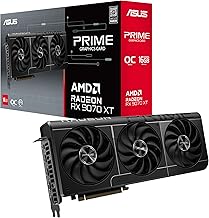
The RX 9070 XT, in cards like the ASUS Prime Radeon RX 9070 XT OC and the XFX Swift RX 9070 XT, is built for gamers who want maximum traditional performance and a generous 16GB buffer at a competitive price. Its RDNA 4 architecture is a big step up for AMD, delivering excellent high-refresh 1440p and capable 4K rasterization, with the extra VRAM keeping textures comfortable as games grow.
Where it asks for compromise is ray tracing and upscaling. RDNA 4 improves RT over prior AMD generations, but it still trails NVIDIA when the heaviest ray-traced effects are switched on, and FSR, while strong, is not as broadly adopted as DLSS. For raster-first players, though, the 9070 XT is a compelling value with cooler options like the GIGABYTE RX 9070 XT Gaming OC available.
RTX 5070: Ray Tracing and DLSS 4
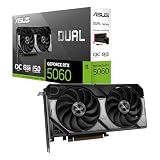
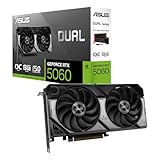
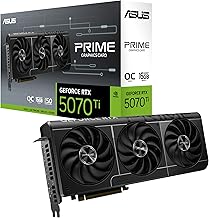
The RTX 5070, in designs like the ASUS TUF Gaming RTX 5070 OC Edition, is the pick for gamers who lean into ray tracing and want the most complete upscaling toolkit. Its Blackwell RT cores handle ray-traced games more efficiently, and DLSS 4 with Multi Frame Generation is supported across a wide library, often turning demanding titles into smooth high-refresh experiences.
The trade-off is the smaller 12GB frame buffer and typically lower raw raster performance than the 9070 XT. For players focused on RT-heavy games, competitive titles that lean on DLSS, or anyone who values NVIDIA’s software ecosystem, that is an easy trade; for pure rasterization at high resolution, the AMD card’s extra VRAM has appeal.
Which Should You Buy?
- For rasterization value: pick the RX 9070 XT because it delivers more raw frames per dollar in traditional workloads.
- For ray tracing: pick the RTX 5070 because its RT cores handle ray-traced effects more efficiently.
- For the best upscaling ecosystem: pick the RTX 5070 because DLSS 4 with Multi Frame Generation is broadly supported.
- For VRAM headroom at high resolution: pick the RX 9070 XT because its 16GB buffer keeps textures comfortable.
- For efficiency and lower power: pick the RTX 5070 because it tends to run leaner while offering strong features.
Frequently Asked Questions
Is the RX 9070 XT faster than the RTX 5070?
In traditional rasterization it usually is, particularly at 1440p. Once ray tracing is enabled, the RTX 5070 tends to close the gap or move ahead thanks to its stronger RT cores.
Does the extra VRAM on the 9070 XT matter?
It helps at high resolutions and in texture-heavy games, giving the 9070 XT more headroom than the 5070’s 12GB, especially if you push settings at 4K.
Is DLSS 4 better than FSR?
DLSS 4 currently enjoys broader game support and adds Multi Frame Generation, which is a meaningful advantage for the RTX 5070. FSR remains a solid option and continues to improve on AMD hardware.
Which card is better for competitive gaming?
Both excel at high frame rates in esports titles. The RTX 5070’s DLSS support and efficiency give it a slight edge, while the 9070 XT’s raster power keeps it highly competitive.
Final Verdict
Choose the RX 9070 XT if you prioritize rasterization value and want 16GB of VRAM for high-resolution gaming; pick the RTX 5070 if ray tracing performance and the DLSS 4 ecosystem matter more to you than raw raster frames.